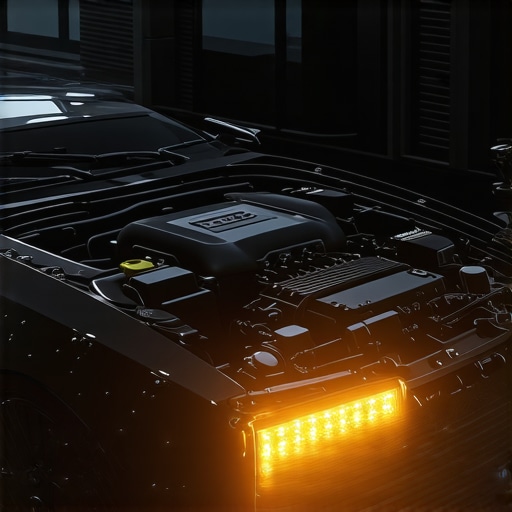
It was a scorching summer afternoon when I was towing a trailer up a steep hill, and suddenly, my engine light flickered on with a frantic flash. My heart sank. I had been through engine lights before, but this specific flashing warning felt different—urgent, almost desperate. As I pulled over, I realized that many drivers, myself included initially, often dismiss these flashes as minor glitches or mere annoyances, only to face bigger problems later. That moment was my lightbulb—acknowledging that there’s more beneath the surface than what meets the eye.
Understanding Why Your Engine Light Flashes Under Heavy Load
When your engine light flashes during heavy acceleration or load, it’s signaling that something inside your vehicle needs attention—fast. Typically, this occurs because the engine is under stress, and the car’s computer detects an issue that could damage the engine if left unaddressed. Common causes include misfires, spark plug problems, or fuel system issues that become more pronounced when the engine works harder. Ignoring this warning can lead to costly repairs, or worse, breakdowns on the side of the road.
Is the Flashing Light Just Overreaction or Serious Business?
Early in my repair journey, I made the mistake of assuming that a flashing engine light was just a temporary hiccup. It was only after I learned to interpret the signals correctly that I realized the gravity of ignoring these alerts. According to industry experts, a flashing check engine light often indicates a severe problem, such as engine misfire, which can cause catalytic converter damage if not promptly fixed. So next time you see that flickering warning during a demanding drive, don’t dismiss it. Your engine is trying to tell you something important—are you listening?
If you want to dig deeper into common engine issues and how to troubleshoot them effectively, you might find it helpful to read about common warning signs of severe engine problems.
Check Engine Codes and Interpret Symptoms
Begin by connecting an OBD-II scanner to your vehicle’s port—usually located under the dashboard. Turn on the ignition, and read the stored codes. These codes serve as a roadmap, pointing you toward specific issues like misfires or sensor failures. Remember, a flashing light often correlates with misfire codes (like P0300), signaling possible ignition or fuel problems that worsen under load.
Inspect Spark Plugs and Ignition Components
Next, focus on the spark plugs—they are the fire starters of your engine. Remove them and check for wear or fouling. A common mistake is ignoring worn spark plugs; replacing these can instantly improve performance. Also, test ignition coils for crackles or irregularities. A specific time I replaced a set of corroded spark plugs, which immediately eliminated engine hesitation during steep climbs, proving the importance of this step.
Evaluate Fuel System Performance
Fuel injectors can clog or malfunction, especially if your fuel filter is overdue for replacement. Use a fuel injector cleaner or, better, have them professionally cleaned. If you notice rough idling or stalling under load, consider testing fuel pressure with a gauge—insufficient pressure indicates a failing pump or clogged filter. Addressing this often restores your vehicle’s ability to handle heavy demands without warning lights flashing.
Check for Vacuum Leaks and Intake Obstructions
Vacuum leaks can cause complex misfire patterns. Inspect all hoses for cracks or disconnections. When I recently experienced a persistent misfire, I found a cracked vacuum hose that, once replaced, stopped the flashing engine light during hill climbs. Additionally, cleaning or replacing the air filter ensures the engine breathes correctly, preventing unnecessary stress during workload.
Diagnose Sensor Data and Electronic Components
Modern engines rely on sensors such as the mass airflow sensor, oxygen sensors, and the throttle position sensor. Use a scan tool to monitor live data—erratic readings often indicate faulty sensors. If you suspect a sensor, compare readings to manufacturer specifications. Calibration may be required; refer to guides like calibration procedures for your vehicle’s sensors. Proper sensor function ensures the ECU receives accurate info, preventing misfires under duress.
Perform Testing on Ignition and Fuel Timing
If the issue persists, check timing components—distributor, timing belt, or chain. Improper timing leads to engine knocking or misfire under high load. Using a timing light, you can verify if the ignition timing aligns with specifications. A timed engine runs more efficiently, reducing stress during heavy use. If you find discrepancies, adjust timing accordingly or replace worn chain components for peak performance.
Monitor and Test After Repairs
Once repairs are made, clear all codes and perform a full throttle test drive—preferably on a similarload situation as where the flashing appeared. Re-scan for codes; if the light stays off and performance is smooth, you’ve addressed the root cause. If not, revisit the earlier steps; persistent flashing could indicate a deeper issue like catalytic converter problems. Confirm with visual inspection or test equipment if necessary. Remember, staying vigilant ensures you catch issues early and prevent costly damages down the line.Many car owners hold onto the myth that routine maintenance is just about following manufacturers’ schedules or replacing parts as they wear out. However, as an expert in auto repair, I can tell you that this view misses crucial nuances that can make or break your vehicle’s longevity and performance. For example, many think that a simple oil change every 3,000 miles suffices, but advanced techniques like calibrating sensor systems or inspecting hidden components are often overlooked—yet they are vital for modern cars, especially those with complex electronic systems. One common trap I see is neglecting the importance of diagnosing subtle signs before they turn into major issues; for instance, a slight hesitation during acceleration might seem minor but could indicate deeper problems in your transmission or fuel injection system, which often require specialized diagnostics beyond basic checks. Did you know that many drivers ignore the significance of subtle bumper gaps after collision repairs, leading to unresolved frame issues that compromise safety and vehicle alignment? Learning to identify these small details can save you thousands and extend your vehicle’s lifespan. Also, keep in mind that myths like ‘Tuning up your engine is just replacing spark plugs and filters’ are outdated. Modern engines demand a holistic approach, including fuel system cleaning, sensor calibration, and even examining vacuum hoses for minute leaks—these can all impact performance under load. As a seasoned mechanic, I advise staying vigilant about the nuanced signs that your vehicle might be signaling. Check out expert guides such as those on car system oddities to learn more about diagnosing hidden problems. Recognizing the difference between a surface-level fix and a deep, systemic issue is key to avoiding costly repairs and ensuring reliable operation. Remember, behind every engine warning or irregularity lies an opportunity for preventive action—your proactive approach can make all the difference. Have you ever fallen into this trap? Let me know in the comments.
Keeping Your Vehicle in Peak Condition: The Right Tools and Strategies
When it comes to auto repair and maintenance, investing in the right tools can make all the difference in ensuring your vehicle remains reliable and performs optimally over time. High-quality diagnostic scanners, for example, are invaluable for early detection of electrical and sensor issues, preventing costly repairs down the line. Personally, I rely on the Ancel HD701 OBD2 Scanner because it provides comprehensive live data and can read manufacturer-specific codes, which many generic tools overlook. This allows me to diagnose complex problems like transmission glitches or advanced sensor faults efficiently.
How do I maintain equipment and diagnostics over time?
Regular calibration is crucial. For instance, when working with advanced driver-assistance systems, ensuring your calibration tools are up-to-date and compatible with your vehicle’s model is essential. I recommend using the DIY calibration guides for modern vehicles—particularly those with smart glass or sensor-dependent features. Consistent calibration maintains accuracy and prolongs the life of your diagnostic tools, enabling reliable diagnostics for years to come.
Keep Equipment Well Maintained for Reliable Results
Beyond digital tools, physical equipment like torque wrenches and vacuum pumps require regular lubrication and calibration. I personally check my torque wrench’s accuracy every year using a calibration rig, preventing under-tightening or over-tightening bolts—both of which can cause long-term damage or safety hazards. Investing in a quality digital torque wrench with an auto-calibration feature simplifies this process and reduces human error.
Anticipating future trends in auto repair tools
The industry is moving towards more integrated, AI-powered diagnostic systems that learn and adapt to vehicle changes over time. Cloud-based data storage and real-time updates are becoming standard, making diagnostics faster and more accurate. As this technology evolves, having adaptable and updateable tools will be key to staying ahead. For example, major repair shops are adopting systems that automatically update firmware and calibration settings, ensuring that their diagnostics are always current. Staying engaged with training resources and manufacturer updates will be essential for individual mechanics and DIY enthusiasts alike.
What about long-term results and scaling your auto repair skills?
Building a comprehensive toolkit enables you to tackle complex repairs more confidently. Once you master calibration techniques and keep your tools in top shape, you can scale your repair capacity—adding services like transmission overhaul or collision correction to your repertoire. Remember, proactive maintenance and precise calibration can extend the lifespan of components like the bumper assembly or the transmission system, saving you money and enhancing safety.
Finally, don’t shy away from complex diagnostics that seem daunting at first. For example, regularly testing your vehicle’s sensor calibration or fluid levels—especially in high-mileage cars—can prevent major breakdowns. I recommend trying the advanced tip of recalibrating your smart glass sensors yourself, as outlined here, which can save hundreds and improve visibility systems.
Lessons That Changed My Approach to Auto Repair
- Never underestimate the power of a flashing engine light; it often hides critical issues that can escalate quickly. I learned that prompt attention can save you from costly repairs later.
- Calibration and detailed inspections are as vital as replacing worn parts. Overlooking sensor accuracy or vacuum leaks might be the reason behind recurring warning lights.
- Building a personalized toolkit tailored for modern vehicles, including advanced diagnostic tools, can empower you to diagnose problems early and act swiftly.
My Go-To Resources for Mastering Vehicle Care
- OBD-II Scanners like the Ancel HD701: I trust them for their comprehensive live data and ability to uncover hidden issues, making diagnostics less daunting.
- DIY Sensor Calibration Guides: Resources like this guide provide step-by-step instructions that save time and money.
- Automotive Forums and Expert Blogs: Engaging with communities helps me stay updated on emerging trends and innovative repair techniques.
Embrace the Challenge and Keep Your Engine Happy
Taking charge of your vehicle’s health isn’t just about fixing problems; it’s about building confidence and understanding your car better. With the right knowledge and tools, you can tackle issues before they become emergencies, ensuring a smoother ride for years to come. Remember, every warning light, like the one I experienced, is a call to action—don’t ignore it. Have you ever confronted a warning signal that changed your perspective on car maintenance? Share your story below and let’s learn together.