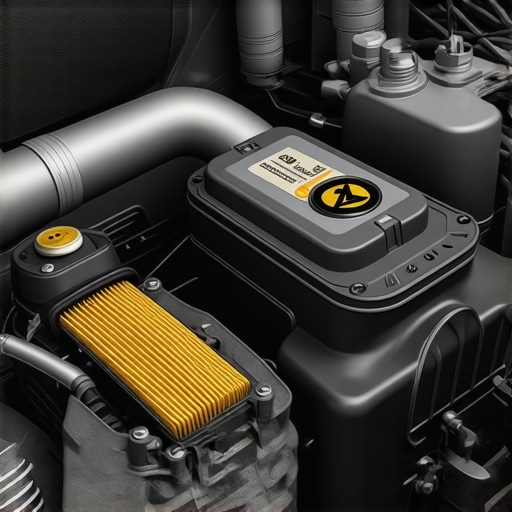
It hit me like a ton of bricks one Saturday afternoon. I was halfway through a routine oil change when I realized I’d just made a rookie mistake that could cost me dearly — installing the wrong oil filter. My engine warning light flickered on later that day, and suddenly, low oil pressure wasn’t just an annoyance but a real concern. If you’ve ever experienced something similar, you know how unsettling it can be.
Why Overlooking Your Oil Filter Can Lead to Big Problems
Most folks think of the oil filter as just a tiny, easily replaceable part, but I learned the hard way that it’s much more crucial than it seems. An incorrect or poorly installed oil filter can restrict oil flow, causing your engine to struggle with maintaining proper pressure. Low oil pressure isn’t just about the dashboard warning; it’s a sign your engine isn’t getting the lubrication it needs, which can lead to expensive repairs or even engine failure. According to automotive experts, neglecting proper oil filter installation tops the list of common causes of low oil pressure in modern vehicles.
Have You Faced This Frustration?
If you’re nodding along thinking, “That’s me,” then keep reading. I want to share exactly how I fixed this mistake and what you can do to avoid it. Trust me, it’s a mistake that’s all too easy to make, especially if you’re rushing or not fully familiar with your vehicle’s specific needs. The good news is that identifying and correcting it can save you a significant amount of money and stress in the long run.
Prepare Your Workspace and Gather Tools
Start by parking your vehicle on a level surface and engaging the parking brake. Gather essential tools: socket wrench set, oil filter wrench, drain pan, gloves, and new oil filter. Having everything ready prevents unnecessary delays during the process. I recall a time I skipped this step and had to make an emergency trip to the auto parts store mid-procedure, which delayed the job and made a mess.
Drain the Old Oil Safely
Warm up your engine for a few minutes to thin the oil, then switch it off. Place the drain pan beneath the oil drain plug and carefully loosen it with the socket wrench. Allow the oil to fully drain — think of it like unloading old baggage before bringing in new essentials. During my first oil change, I rushed this step and spilled oil everywhere, highlighting the importance of patience here.
Remove the Existing Oil Filter
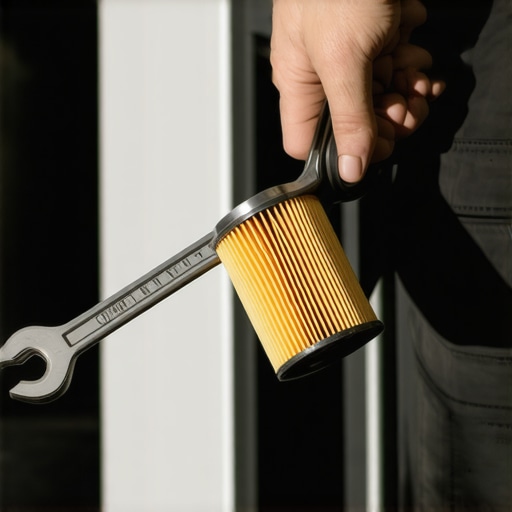
Locate the oil filter, which resembles a small canister or cartridge. Use the oil filter wrench to turn it counterclockwise. Remember, some filters are tightly secured, so applying steady, even pressure prevents stripping the threads. Once loose, carefully remove it and inspect the sealing surface for debris or damage. I once overlooked this detail, leading to a poor seal with the new filter, causing leaks down the line.
Prepare and Install the New Oil Filter
Before installation, apply a thin layer of fresh oil to the rubber gasket of the new filter. This acts like a lubricant, ensuring a proper seal and preventing leaks — akin to lathering a bicycle chain before riding. Screw the new filter in by hand, turning clockwise, until snug. Then, tighten it slightly more with the wrench; avoid over-tightening, which can distort the gasket and cause future leaks. During a previous repair, I overtightened and had to redo the job after a frustrating leak developed.
Refill with Fresh Oil and Check for Leaks
Replace the drain plug securely. Fill the engine with the manufacturer-recommended oil amount, checking the oil level with the dipstick to ensure it’s correct. Start the engine and let it run for a few minutes. Turn it off and recheck the oil level, topping up if necessary. Observe around the filter for any signs of oil seepage. Once, I neglected to check the filter area and discovered a slow leak after a test drive, which could have been avoided with a simple visual check.
Verify Proper Installation and Maintenance
Clean any spilled oil and reset your maintenance light if applicable. Regularly inspecting your oil filter and engine oil helps prevent issues like low oil pressure or engine damage. Remember, a correctly installed oil filter is like the foundation of a stable house — it ensures everything above runs smoothly. Regularly reading guides or consulting resources like diagnostic fixes can provide additional tips for engine health.
 Many car owners believe that routine maintenance is straightforward—change the oil, replace the brakes, and you’re good to go. However, this oversimplification often leads to costly mistakes and overlooked issues. One prevalent myth is that if a repair seems simple, it can’t be complex or nuanced. In reality, even simple procedures like a tune-up can hide intricate complexities, especially with modern vehicles equipped with advanced sensors and electronic systems. For example, neglecting to calibrate the idle speed after a full tune-up can cause uneven engine performance, a subtlety many overlook. According to a study by the Automotive Service Association, technicians who understand these nuances can identify hidden problems before they manifest as major failures.
Investing in Quality Tools for Long-Term Success
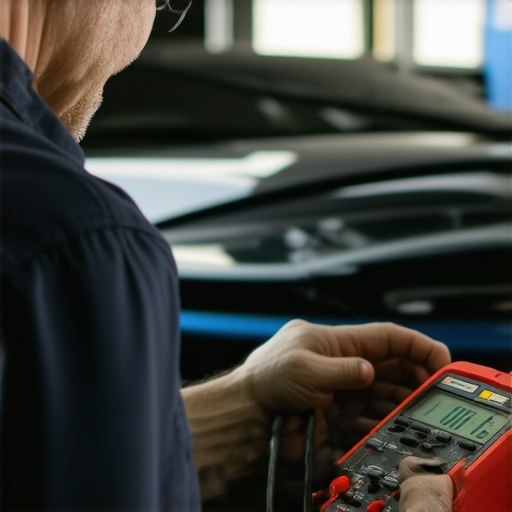
Having the right equipment can make all the difference in maintaining your vehicle effectively. I personally rely on a high-quality digital multimeter to diagnose electrical issues swiftly. Unlike basic models, my Fluke 117 offers precise readings and durable construction, making it invaluable when troubleshooting sensors or wiring problems. For salt-and-pepper cleaning of components, I use a precision brush set with anti-static properties, which helps me clean delicate parts without risking damage. These tools save time and ensure reliability, especially when doing tasks like transmission diagnostics or complex repairs.
Embracing Advanced Diagnostic Software
Modern vehicle systems have become increasingly integrated with electronic controls. I recommend investing in a professional-grade OBD-II scanner like the Autel MaxiSYS MS909. It provides comprehensive live data, code reading, and system performance checks—features that far outstrip generic code readers. With this, I can monitor real-time transmission behaviors or engine parameters, which helps in catching issues early before symptoms worsen. As vehicle technology continues to evolve, integrating software solutions will be essential, making maintenance more precise and less guesswork-heavy.
Predicting the Future of Auto Maintenance
Looking ahead, I believe we’ll see an increasing shift toward automated maintenance platforms powered by AI and machine learning. These systems could diagnose issues in real-time, recommend precise repairs, and even order parts automatically—saving both time and money. Staying ahead of this curve involves understanding current diagnostics deeply and investing in the right tools now. For example, regular calibration of sensors like in sensor calibration tips can save headaches later.
How do I maintain my tools and diagnostics over time?
Regular calibration and cleaning of your diagnostic tools are crucial. Keep software updated, store equipment in a dry, dust-free environment, and periodically check electrical connections. This practice ensures your tools remain accurate, preventing misdiagnoses that could cost you more in repairs. As you grow more confident, try mastering advanced procedures like gear clash fixes with proper tools—an investment in both knowledge and equipment pays off long-term.
3 Surprising Truths I Wish I Had Known About Auto Maintenance
- Always double-check the oil filter’s gasket before installation—what seems minor can prevent costly leaks later. I learned this after experiencing a slow leak that took hours to diagnose, costing me time and money.
- The importance of proper torque can’t be overstated; overtightening might seem like a good idea, but it can distort seals or damage threads. My first attempt to tighten the filter turned into a stripped thread, reminding me to follow manufacturer torque specs.
- Using quality tools and keeping them calibrated ensures precise work. A cheap wrench might slip, causing damage or incomplete seals—investing in good tools saved me from repeated repairs and headaches.
- Patience during oil changes isn’t just virtue; it’s a necessity. Rushing leads to mistakes, like forgetting to tighten the drain plug or failing to check for leaks. Taking my time has consistently saved me from calling a mechanic for avoidable issues.
My Go-To Resources for Auto Repair Wisdom
- Diagnostic Fixes Guide: This resource has transformed my understanding of engine issues, helping me preempt problems before they escalate.
- Sensor Calibration Tips: Knowing how to properly calibrate sensors like the MAF or idle control valve has been a game-changer in maintaining optimal engine performance.
- Transmission Hacks and Tricks: Practical advice on avoiding common gear-shifting issues has helped me extend the life of my vehicle’s transmission.
- Product Insights and Reviews: Choosing the right additives and replacements with expert opinions has kept my car running smoothly.
Your Next Moves in Auto Maintenance
Embrace the knowledge and tools that put control back in your hands. Whether it’s sharpening your skills with trusted guides or investing in reliable equipment, every step you take builds confidence and saves money. Keep learning, stay curious, and remember that even complex repairs can be approachable. With this mindset, you’ll not only avoid common pitfalls like improper oil filter installation but also unlock a deeper understanding of your vehicle’s needs. Ready to take your auto care to the next level? Share your experiences below and let’s grow together in this journey toward mastery.