
Ever had that fleeting moment of frustration—sitting in your driveway, realizing once again that your car’s battery has given up the ghost just after a quick trip to the store? I remember staring at my headlights, feeling that sinking feeling of helplessness. It was as if my car was gambling with my patience, and the house always won.
My Wake-Up Call: When the Battery Dies Faster Than I Could Say “Jump Start”
One chilly morning, I climbed into my car, only to be greeted by a sluggish crank and dimming lights. I knew something was off. As I researched online, I discovered that this wasn’t just bad luck—it’s a common headache that many drivers face: your battery mysteriously refuses to hold a charge beyond three days. Believe me, I tried replacing it, only to realize that the root cause was something more subtle than a dead cell. The real problem was an unseen drain or a faulty component that’s sneaking energy away.
This issue can be maddening, especially because I found myself blaming the battery manufacturer or environmental conditions. But the truth is, most cases are caused by specific mistakes or overlooked problems that wear down your battery faster than you think. And here’s the kicker—diagnosing these issues requires paying close attention to detail, rather than merely swapping out parts.
Today, I want to share exactly what I learned through my own frustration and triumphs. We’re going to uncover the common causes behind those pesky three-day battery death cycles, bust some myths, and arm you with practical solutions. Whether you’re tired of getting stranded or simply want to extend your battery life, this guide is for you.
Is It Really Worth the Hype to Tackle Battery Drain?
Early on, I made the mistake of assuming my battery was just low quality. Turns out, I was ignoring a simple but crucial step—checking for parasitic drains that can be identified with a multimeter. Not knowing this cost me time and money, but once I uncovered the problem—like a corroded ground wire causing unnecessary power draw—I saved myself a lot of hassle. If you’d like to avoid my mistake and get to the root of your battery woes fast, check out our detailed guide on common wiring issues.
Having shared my story, I hope you’re beginning to see how much there is beneath the surface of a dead battery. In the sections ahead, we’ll explore specific troubleshooting steps, easy fixes, and how to avoid falling into the same traps I did. Ready to get your car back to reliable power? Let’s dive in and reclaim those three-day batteries once and for all.
Inspect for Parasitic Drains
Start by disconnecting your battery’s negative terminal, then set your multimeter to measure current (amps). Connect the meter between the battery post and cable, and observe the reading. A typical drain should be under 50 milliamps. If your reading exceeds this, you’ve found a leak.
Identify Unusual Power Consumers
Turn off all accessories, lights, and remove keys from the ignition. Then, systematically remove fuses one by one while monitoring the multimeter. When the current drops to normal levels, the last fuse pulled is linked to the culprit circuit. For example, a malfunctioning alarm system often causes excessive drain, which you can verify by checking the related fuse.
Check and Repair Grounds and Wiring
Inspect the ground wires—think of them as the car’s blood vessels—corroded or loose connections can cause energy leaks. Pay special attention to the ground strap attached to the engine or chassis. I once replaced a corroded ground wire myself, and my battery lasted twice as long afterward. Proper grounding ensures all electrical components operate efficiently and prevents unnecessary drain.
Scan for Hidden Short Circuits
Use a wiring diagram to trace circuits that stay energized when they shouldn’t. Look for damaged insulation, melted wires, or exposed terminals that could cause shorts. If you find such issues, replace the damaged wiring or connectors. This prevents ongoing drain that can quickly weaken your battery—similar to how a leaking pipe wastes water without your noticing.
Address Faulty Components
Some devices, like an alternator or diode, can develop internal faults mimicking parasitic drain. To test your alternator, start the engine and measure voltage across the battery terminals; it should read around 13.8 to 14.5 volts. A significantly higher or lower reading indicates a problem. Alternatively, perform a load test or consult a professional if you’re unsure. Faulty components can ‘commit battery suicide’ by drawing excessive current due to internal failure.
Investigate or Replace Your Alternator
If suspected, remove and test the alternator or have it bench-tested at your local shop. Sometimes, replacing a worn-out diode pack or regulator can restore normal function. This is akin to replacing a faulty valve in a pump—restoring proper flow and preventing loss of power.
Use Preventive Measures to Avoid Future Drainage
Regularly inspect wiring, clean terminals, and ensure fuses are intact. Installing a battery disconnect switch can prevent phantom drains during long periods of inactivity. Consider upgrading to batteries with higher cold-cranking amps if your vehicle’s electrical demands are high. Proper maintenance keeps your car’s electrical system healthy, like giving your engine a regular tune-up to ensure optimal performance.
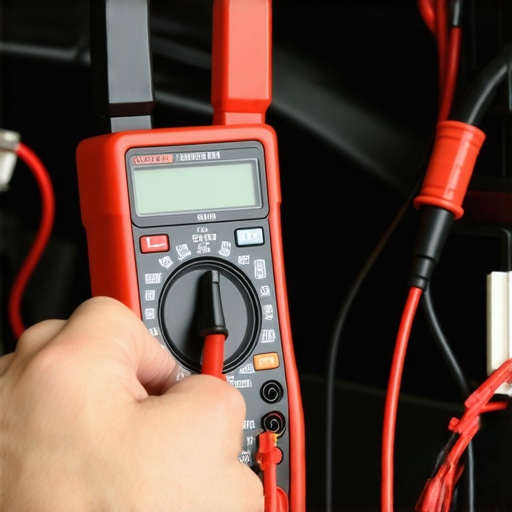
Image prompt: Close-up of a mechanic testing car battery drain with a multimeter, with visible wiring and battery terminals.
Alt text: Mechanic using multimeter to diagnose battery drain issues in a car engine compartment.
When it comes to auto repair, many car owners hold misconceptions rooted in common myths or oversimplified advice. A widespread belief is that routine tune-ups are just about replacing spark plugs and filters. While these are components of a tune-up, experts emphasize that neglecting other critical tasks—like inspecting your transmission fluid or checking the condition of engine mounts—can lead to expensive failures down the road. In fact, overlook certain nuances, and minor issues can snowball into significant problems, such as transmission slippage or premature engine wear. Therefore, understanding the subtleties involved in maintenance and repair can help you avoid costly mistakes and prolong your vehicle’s lifespan. One prevalent trap is assuming that all car services are universally applicable; in reality, vehicle make and model demand specific attention. For example, some models require specialized transmission fluid or unique service intervals, which untrained mechanics might not follow, leading to inadequate repairs. Moreover, many drivers believe that a simple visit to a quick-lube shop suffices for comprehensive service. However, a typical oil change doesn’t cover vital diagnostics that could catch lurking problems—like a slipping clutch or a failing sensor—that might cause bigger issues. This misconception often results in delayed repairs and increased costs. Addressing complex issues, especially with transmissions, benefits from a nuanced approach. For example, some symptoms like delayed shifting or chatter can be misattributed to minor glitches, but in reality, they signal deeper problems such as worn-out clutches or faulty solenoids. Identifying and fixing these early requires skilled diagnosis, sometimes involving advanced tools like scanner diagnostics or detailed fluid analysis. This is where many owners fall into the trap of DIY fixes based on outdated or incomplete information. For instance, adding aftermarket additives to your transmission fluid without proper diagnosis can sometimes cause more harm than good, preventing proper function and even voiding warranties. If you want to dig even deeper into these subtleties, consider reading about the hidden causes behind transmission issues or the lesser-known steering problems that mimic bigger faults. Recognizing these critical nuances can save you money and frustration. Always remember that a qualified mechanic’s insight often uncovers issues a casual inspection might miss. Moreover, staying informed about your vehicle’s specific maintenance needs can empower you to ask the right questions and avoid shady practices. For example, some shops may recommend unnecessary repairs, exploiting knowledge gaps. Due diligence and understanding your car’s unique requirements are key to making smarter decisions. Have you ever fallen into this trap of underestimating revealable details in auto maintenance? Let me know in the comments, and share your experiences.
Keeping It Working: Tools I Recommend for Auto Maintenance
Maintaining your vehicle over the long haul requires more than just intuition; it demands precision tools and reliable methods. One of my go-to devices is a high-quality automotive code reader like the Autel MaxiCOM. This handheld scanner doesn’t just read error codes; it provides live data and allows me to clear persistent issues, especially when diagnosing complex transmission faults. Regularly monitoring your vehicle’s onboard diagnostics can reveal hidden problems before they escalate, a practice supported by industry experts who emphasize proactive diagnostics.
Another indispensable tool is a dedicated multimeter with a high current capacity and a data logging feature. I use mine to spot parasitic drains, like the corroded ground wire that can inadvertently trigger transmission limp modes—details you can read about here. Precise measurements help prevent guesswork and ensure your repairs are rooted in hard data. For example, measuring the voltage across your battery and alternator terminals confirms whether your charging system functions properly, avoiding costly failures in the future.
When it comes to preventive maintenance, a reliable set of hand tools—like ratchets, torque wrenches, and precision screwdrivers—are non-negotiable. I prefer a digital torque wrench for vital components such as transmission linkage bolts, ensuring they are tightened to manufacturer specifications. Over-tightening or under-tightening these fasteners can lead to costly repairs, especially if your transmission experiences issues like slipping or grinding, which sometimes stem from poorly torqued linkages—a problem detailed in our gearbox repair guide.
Forecasting the future of car maintenance, I believe we’ll see an increased integration of diagnostic software that connects via Bluetooth to our smartphones. Apps that provide real-time data logging and predictive analytics could revolutionize how we approach routine checks. This shift would empower owners to tackle maintenance if they understand the fundamentals—like checking for signs of early transmission wear, which might_{
} be illustrated in detailed diagnostics apps.
How do I maintain my car over time? The secret lies in establishing a consistent checking routine—using tools like a quality scanner and multimeter—paired with inspections using hand tools. Developing this habit enables early detection of issues, saving both time and money. For example, frequent checks of your transmission fluid levels and quality can prevent slipping or shuddering, as highlighted in our article on transmission fluid maintenance.
Remember, investing in the right tools pays dividends. A diagnostic scanner, multimeter, and quality hand tools form the backbone of a proactive maintenance strategy. Don’t hesitate—try using a multimeter to spot parasitic drains like the corroded grounding wire once mentioned, and see how it transforms your approach to car care. Keeping your vehicle running smoothly isn’t just about fixing what’s broken; it’s about preventing problems before they start, and that begins with the right equipment and routine.
What I Didn’t Expect to Discover About Car Batteries
One of the biggest breakthroughs for me was realizing that many battery issues are actually clues pointing to deeper electrical quirks. Instead of blaming the battery outright, I learned to ask: what’s really draining this power? This shift in mindset saved me a lot of time and money, and I want you to experience the same insight.
Why Patience and Persistence Outperform Quick Fixes
Initially, I was frustrated and eager to replace parts—believing it was simply a matter of bad luck or inferior components. But after diving into diagnostics and systematically checking wiring, grounds, and devices, I found that careful troubleshooting often uncovers the root cause, avoiding unnecessary replacements. This approach demands patience but pays off with endurance and peace of mind.
Trust Your Tools—They’re More Powerful Than You Think
Equipping yourself with a reliable multimeter or a quality scanner transforms auto repair from guesswork into confident problem-solving. I found that understanding how to interpret live data—like voltage drops or current draws—can reveal hidden issues, like a suspect ground wire or a failing alternator. These subtle signs are often the difference between a quick fix and a recurring headache.
The Hidden Power of Clean Grounds and Connections
Having experienced my own grounding mishap, I now know that what seems minor—corrosion on a cable terminal or loose bolt—can cause major drain. Regularly inspecting and cleaning these connections not only prolongs battery life but also enhances overall electrical system health. It’s a quick step with a big impact.
Knowing When to Call in Reinforcements
While DIY troubleshooting is empowering, some problems—like internal alternator faults—are best left to professionals. Recognizing your limits and having trusted mechanics on speed dial means you can avoid escalating issues and keep your vehicle reliably powered. Remember, my initial guesswork turned into a learning journey that made me more confident in seeking expert help when necessary.