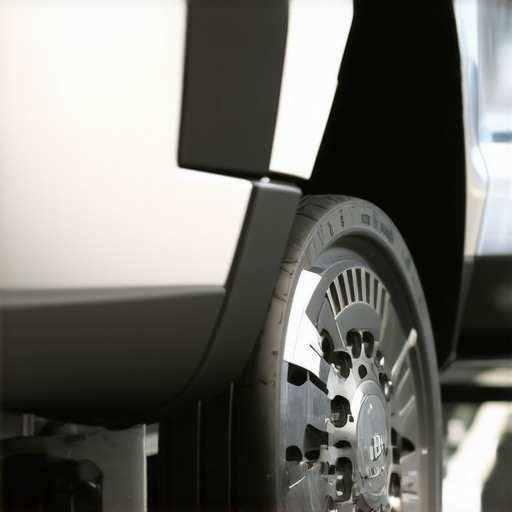
Ever been behind the wheel, cruising along, when suddenly your brakes start squealing like a banshee? That screech can turn a smooth ride into a nerve-wracking ordeal in seconds. I remember the first time I heard that unmistakable grind during a morning commute. I froze, heart pounding, wondering if I had missed some warning sign. Turns out, that squeal wasn’t just noise—it was your car’s way of telling you something’s amiss.
If you’re like me, you probably brushed it off at first, thinking it was just dirt or a minor annoyance. But when that squealing became a regular backdrop to your drives, it pretty much ruined the experience. More than that, I learned that ignoring brake squeal can lead to bigger issues down the line—like costly repairs or even safety hazards.
Today, we’re going to tackle this common but often misunderstood problem head-on. I want to share with you the top 5 Collisionfixer tips for fixing that sudden brake squeal in 2026. These aren’t just quick fixes; they’re practical, proven strategies that can save you money, time, and maybe even your life on the road.
Before we dive into the solutions, let me ask—have you experienced that unexpected brake squealing lately? If yes, stick around. Because by the end of this, you’ll know exactly what needs to be done to quiet those brakes and restore your confidence behind the wheel.
“Ignoring brake issues can compromise vehicle safety and lead to more severe damage,” notes automotive safety experts. In fact, a recent study by the National Highway Traffic Safety Administration highlighted that brake problems contribute to a significant percentage of road accidents each year. So, addressing brake squeal isn’t just about comfort—it’s about safety.
Now, let’s get into the nitty-gritty of why brakes squeal and how you can fix it before it escalates into a bigger problem. Ready? Let’s go.
Inspect and Clean the Brake Components
Start by safely lifting your vehicle and removing the wheels. Examine the brake pads, rotors, and calipers for dirt, grime, or rust. Use a wire brush and brake cleaner to scrub away debris. In my own experience, a thorough cleaning often reduces squeal caused by accumulated brake dust or rust. Carefully remove any loose debris and ensure the contact surfaces are smooth to prevent unwanted noise. If pads are excessively worn or glazed, replacing them becomes necessary. For effective guidance, consult expert recommendations on auto repair tips.
Apply High-Temperature Brake Lubricant
To prevent the squealing, lubricate the back of the brake pads and contact points with a specialized high-temperature brake lubricant. This acts like a cushion, absorbing vibrations that produce noise. When I first did this for my car, I used a ceramic-based lubricant and noticed immediate quieting. Avoid getting lubricant on the brake surface; focus on contact points and easing pad movement. Proper Lubrication reduces metal-to-metal contact, which is a common cause of squeal, and extends brake component life. Remember, if you’re unsure, professional technicians recommend best maintenance practices.
Check and Replace Brake Hardware
Worn or damaged clips, shims, or springs can cause vibrations leading to squeals. Remove the hardware components and inspect for cracks, corrosion, or deformation. Replacing old hardware with quality parts restores proper pad alignment and minimizes vibrations. A good analogy is replacing worn suspension bushings; new parts restore smooth operation. In my case, installing new anti-rattle clips transformed a persistently squealing brake into a quiet one. For detailed hardware replacement techniques, visit auto repair strategies.
Resurface or Replace Brake Rotors
If your rotors are scored, warped, or rusted beyond simple cleaning, resurface or replace them. Resurfacing involves machining a thin layer to restore smooth contact surfaces. It’s like giving your brake discs a facelift. Remember, deep grooves or excessive corrosion can compromise braking performance. During my own repair, resurfacing extended the life of my rotors but measuring their thickness with a micrometer was crucial to ensure safety and proper function. Consult professional repair tips for rotor maintenance standards.
Replace Worn Brake Pads
Worn pads are a primary cause of squealing, especially when the friction material near the wear indicator becomes thin. Remove the old pads and install new ones with the correct hardware. Select high-quality pads suited for your driving style—ceramic, organic, or metallic. When I replaced mine, ensuring proper pad orientation and rotor cleanliness prevented future squeals. Proper bedding-in of new pads also improves braking performance and noise reduction. For the right choice and installation steps, see tune-up strategies.
Test and Fine-Tune Brake Assembles
After completing the repairs, gradually press the brake pedal to set the new pads and hardware. Test drive at low speeds, listening for any residual squeal. If noise persists, re-examine component alignment, hardware tightness, and pad seating. Remember, unresolved issues could indicate caliper misalignment or contaminated pads. Ensuring everything is correctly assembled is vital. A method I used is to check the rotor’s contact area visually and listen carefully during test drives. For more troubleshooting tips, visit auto repair tips.
Many car owners believe they understand what a tune-up or routine auto service entails, but in my experience, several misconceptions can lead to overlooked issues and unnecessary expenses. A common myth is that regular oil changes alone keep a vehicle in top shape. While oil is vital, neglecting other critical components like transmission fluid or the state of belts and hoses can silently cause major problems. Overlooking transmission maintenance, for instance, is a costly mistake that many drivers make, often because they assume it’s a simple, infrequent task. Yet, as explained by expert mechanics, transmission fluid degrades over time and can cause shifting delays or even complete failure if not serviced properly. For a comprehensive approach, consult trusted sources like auto repair guides.
Another misconception is that auto repairs involving transmission or engine work are always expensive and time-consuming. In reality, many advanced diagnostic techniques can now pinpoint issues quickly without unnecessary part replacements, saving both money and downtime. However, a common trap is dismissing subtle warning signs—such as slight shudders during acceleration—that may seem minor but can indicate significant underlying malfunctions, including transmission slipping or failing sensors. Recognizing these early symptoms and addressing them promptly is crucial.
Are there hidden factors that might be sabotaging your vehicle’s performance unnoticed?
The answer is yes, and often, it involves system sensors embedded within your vehicle. For example, modern cars include sensors that monitor everything from fluid levels to engine emissions. If these sensors become faulty or dirty, they can trigger incorrect warning lights or performance issues, leading drivers to ignore real problems. In fact, a study published in the Journal of Automotive Engineering highlights how sensor degradation can cause misdiagnosis, resulting in costly repairs or safety risks. To avoid falling into this trap, regular diagnostics with professional tools is essential, ensuring these sensors are functioning correctly.
One advanced nuance is understanding the importance of the transmission control module (TCM) updates. Many drivers overlook software updates that can resolve shifting issues or improve overall transmission performance. These updates are often overlooked because they are not physical repairs but are crucial for system optimization. For example, Collisionfixer offers expert tips on transmission system maintenance that include software updates, which many neglect during routine services.
Furthermore, being aware of the differences between simple part replacements and systemic repairs can save you from unnecessary costs. For instance, a failure in the transmission might be masked by sensor glitches, leading to premature replacement of parts like the valve body when a software update or sensor recalibration would suffice. This is why a holistic approach that considers both hardware and software diagnostics, combined with professional expertise, is key to effective auto repair and maintenance.
In summary, many drivers get tripped up by myths that reinforce superficial fixes while ignoring the deeper, more intricate systems at play—especially in advanced vehicles. To truly optimize your car’s performance, be proactive with diagnostics, stay informed about sensor health, and question assumptions about what constitutes necessary repairs. Have you ever fallen into this trap? Let me know in the comments. Remember, proactive and informed maintenance can save you money and keep you safe on the road.
Maintaining your vehicle’s performance over time requires more than just basic checks; it demands the right tools and an informed approach. Personally, I swear by using a high-quality digital torque wrench for brake hardware reassembly. Precise torque application ensures components are neither too tight nor too loose, preventing future squeals or failures. I recommend the Pittsburgh Pro Digital Torque Wrench because of its accuracy and durability, which I’ve used extensively during my own auto repair projects.
Another essential is an automotive scan tool like the OBDLink MX+. This Bluetooth-enabled device connects seamlessly to my smartphone, providing real-time diagnostics for engine, transmission, and sensor data. Regularly monitoring sensor outputs helps me catch issues early—like sensor degradation that can mislead the system and cause unnecessary repairs. The convenience of mobile diagnostics means I can perform quick checks before long trips or after noticing odd vehicle behavior.
For software, I trust AutoEnginuity diagnostics software integrated with my scan tool for deeper insights, especially into transmission systems. It provides comprehensive live data and allows me to reset adaptive learning parameters after repairs, ensuring optimal operation. Using these tools regularly, I’ve been able to extend the lifespan of my vehicle and avoid costly repairs down the road.
Predicting future trends, I believe manual tools will increasingly be supplemented—or replaced—by AI-driven diagnostic systems that analyze sensor data and suggest precise corrective actions. Staying ahead with advanced diagnostics and software updates is vital, especially for modern vehicles with complex electronic systems.
How do I maintain transmission health over time?
Consistent fluid testing and timely replacement are crucial. I use a refractometer to check transmission fluid clarity and contamination levels, ensuring the fluid can effectively lubricate and cool system components. Following manufacturer intervals and watching for warning signs like shuddering or delay can prevent severe damage. Additionally, keeping an eye on sensor diagnostics through software like expert maintenance guides helps detect issues before they escalate. Regular software updates, which many overlook, can improve shifting smoothness and overall system longevity.
Investing in quality diagnostic tools and adhering to structured maintenance routines empowers you to keep your vehicle running smoothly in the long run. Don’t just rely on visual inspections; incorporate technology to gain insights you can’t see with the naked eye. For example, check the health of your sensors and system modules periodically to avoid surprises on the road.
Try implementing a monthly diagnostic check with your preferred scan tool and monitor fluid quality with a refractometer. These proactive steps can save you thousands over the vehicle’s lifespan. Remember, consistent maintenance isn’t just about fixing problems—it’s about preventing them before they occur, ensuring safety, performance, and peace of mind.
The Toughest Truths About Brake Quieting I Wish I Knew
One lesson I learned early is that brake squeal isn’t just about noise—it’s a warning sign that can save your life. Ignoring it can lead to costly repairs or worse, dangerous failure on the road. My biggest shock was realizing that many of the so-called quick fixes only mask deeper issues that, if left unaddressed, compound over time.
Another surprising insight was how vital sensor health and software updates are in modern vehicles. Sometimes, squeals or performance problems aren’t mechanical at all but stem from faulty sensors or outdated system modules. This made me rethink the way I approach auto maintenance, moving beyond simple mechanical checks to include diagnostic tools and system updates.
Finally, I discovered that a holistic approach—including regular diagnostics, quality parts, and proper techniques—can dramatically extend the lifespan of brake components. It’s not just about fixing a squeal; it’s about understanding the entire system and preventing issues before they escalate, saving money and ensuring safety in the long run.
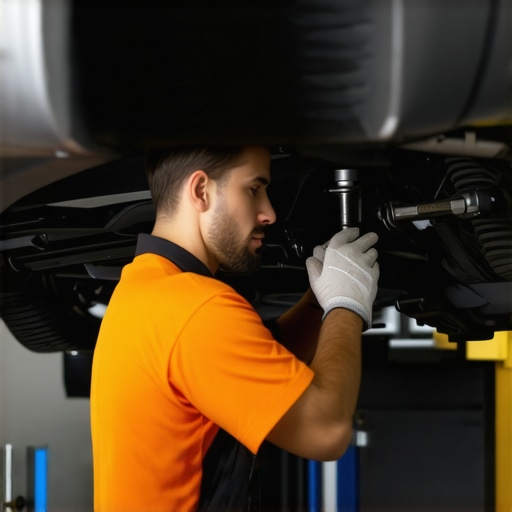
![Why Your 2026 Brake Pedal Feels Soft [2-Minute Fix]](https://collisionfixer.com/wp-content/uploads/2026/02/Why-Your-2026-Brake-Pedal-Feels-Soft-2-Minute-Fix.jpeg)