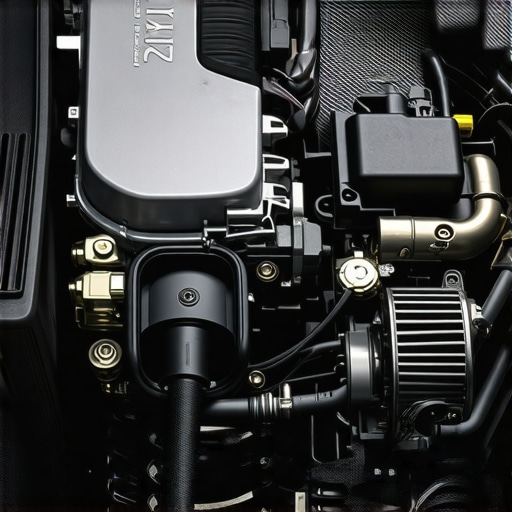
I’ll never forget that stressful morning when my car refused to start as I rushed to an important meeting. The dashboard lit up with warning lights, and I suddenly realized my trusty ride was giving me signs it might be on its way out. It was a lightbulb moment—my alternator, that vital electrical component, was compromising my daily routine. If you’ve experienced a similar frustrating stall or strange electrical glitches lately, you’re not alone. Many drivers overlook the early signs of alternator failure, only to face unpredictable breakdowns that can leave you stranded in inconvenient places.
Why Paying Attention to Your Alternator Matters More Than You Think
The alternator’s job is straightforward but crucial: it keeps your car’s electrical systems running and charges the battery. Think of it as the heart of your vehicle’s electrical health. When it’s failing, it can cause your engine to stutter, lights to flicker, or even leave you unable to start. What’s startling is that according to a recent automotive study, a significant percentage of breakdowns are caused by electrical system failures, often linked to alternator issues (source). Early detection and swift fixes can save you hundreds, even thousands, of dollars on repairs, not to mention the inconvenience of being stranded. Today, I want to help you diagnose whether your alternator is dying and show you four electrical fixes to try before heading to the shop. Have you noticed your headlights dimming at night or your dashboard lights flickering? Those could be early signs, and skipping them means risking a total breakdown. So, let’s get into some simple steps you can take—yes, even as a DIY enthusiast—to keep your car in good shape and avoid costly emergency repairs.
Is Fixing Your Alternator Actually Worth the Hype?
I remember making a crucial mistake early on—believing that electrical issues would resolve themselves over time. Spoiler: they don’t. Proper diagnostics and timely fixes are essential, but it took me learning the hard way that neglecting these signs only worsens the problem. By understanding common electrical symptoms and knowing when to act, you can prevent your alternator from dying completely. Want more detailed advice? Check out our comprehensive tips on transmission maintenance and how electrical systems tie into overall vehicle health. Ready to troubleshoot your electrical system and extend your alternator’s lifespan? Let’s explore four practical fixes that you can try today.
Test Your Battery Voltage for Early Clues
Start by inspecting your battery with a multimeter; a healthy battery should read around 12.6 volts when the engine is off. One time, during a weekend project, I used a multimeter I bought for less than $20 and found my voltage dipping below 12 volts—an early sign my alternator wasn’t charging correctly. Regularly checking voltage helps you catch issues before they become roadside emergencies.
Check Charging System with Engine Running
With the engine on, measure voltage again—this time, it should read between 13.8 and 14.4 volts. If it stays near 12 volts, your alternator may be failing. I recall one morning, my voltage stubbornly stayed low despite revving the engine, confirming the alternator’s weak state. This quick test is vital for DIY diagnosis and can prevent costly repairs.
Inspect the Alternator Belt Condition
The belt drives the alternator; a loose or worn belt reduces charging capability. I once noticed my belt slipping after a rough drive, leading to dimming lights. To check, visually examine the belt for cracks or sliding—if it’s loose or frayed, replacing it can reestablish proper charging. Maintaining proper belt tension is a straightforward step that often gets overlooked.
Test for Alternator Output at the Terminal
Disconnect the battery’s negative terminal and use a voltmeter between the alternator’s output terminal and ground. It should show around 13.8–14.4 volts when the engine runs. During a DIY repair, I carefully followed this method to verify my alternator’s output, confirming that my issue was internal. This precise check helps differentiate between wiring problems and actual alternator failure.
Replace or Repair Your Alternator Safely
If tests indicate your alternator is dying, decide whether to repair or replace. For older vehicles, replacing the entire unit often makes more sense than rebuilding. During mine, I removed the alternator following a step-by-step guide from expert service tips, which involved disconnecting mounting bolts and electrical connectors. Always disconnect the battery before work to prevent sparks or shorts and wear protective gear.
Reconnect and Test After Installation
Once installed, start the engine and recheck voltage and output. Ensure the new alternator charges correctly—this step guarantees your repair is effective. I once forgot to tighten a connector, which caused lingering electrical issues; double-checking ensures durability. Proper testing and secure connections are your best friends in guaranteeing a successful repair.
Consistent monitoring and timely fixes keep your electrical system healthy, preventing breakdowns and saving money. Incorporate these diagnostic steps into your routine, and you’ll stay ahead of potential alternator failures, ensuring your car runs smoothly when it matters most.
Many drivers believe that a simple oil change or fluid top-up is sufficient to keep their vehicle in top shape, but in reality, this is a common misconception that can lead to costly repairs down the road. For instance, folks often overlook the importance of diagnosing transmission issues early, thinking that symptoms like slipping gears or prolonged shifting are minor glitches. However, according to automotive experts, such signs can be early indicators of severe internal problems, and addressing them proactively can save thousands. One trap to avoid is assuming that all auto repairs are equal; a misdiagnosis can cause further damage and increase expenses. For example, if your transmission is slipping, simply adding fluid isn’t enough—consider a comprehensive diagnostic or system tune-up, which can be found in expert repair guides. This is especially crucial because many transmission failures can be mitigated if caught early, as discussed in our top transmission auto repair tips for 2025. It’s worth noting that some enthusiasts focus solely on engine tune-ups, forgetting that neglected transmission or electrical system maintenance often causes unexpected breakdowns. Have you ever fallen into this trap? Let me know in the comments.
Now, a common myth is that ‘car service’ means just replacing worn-out parts. In reality, the most effective maintenance involves understanding the complex relationships between various components and how they wear over time. For instance, neglecting the alternator’s health can lead to battery drains and engine stalling, issues many drivers mistake for minor electrical glitches. Advanced maintenance routines include testing the entire electrical system, not just individual parts—something you’ll find detailed in expert auto repair diagnostics tips. Additionally, vehicle diagnostics have evolved; modern systems can detect subtle performance drops before they become noticeable. This forward-thinking approach helps in making informed decisions rather than reactive fixes, which tend to be more expensive. For a deeper dive, explore our guide on effective auto repair diagnostics strategies that boost your vehicle’s longevity.
On the topic of car collision repairs, many believe that repainting and bodywork after a minor bump is enough. But the real nuance lies in understanding the hidden damage beneath the surface, which can compromise safety. For example, a simple dent repair might overlook structural frame damage that affects vehicle alignment and crashworthiness. CollisionFixer’s methods emphasize comprehensive assessments before cosmetic fixes, ensuring longevity and safety. This highlights how advanced collision repair focuses on restoring the vehicle’s integrity, not just its appearance. Being aware of such details allows you to avoid future expensive fixes and maintain your car’s resale value.
For those looking to optimize their car maintenance routines, consider integrating these nuanced practices. Regularly consulting expert tips—such as the importance of routine transmission system tune-ups or timely electrical system checks—can drastically improve your vehicle’s lifespan. Remember, preventive care often costs less than extensive repairs after failure. Want to delve deeper? Check out our top auto repair and car service tips for 2025 to stay ahead of potential issues.
Essential Tools for DIY Car Maintenance
When it comes to maintaining your vehicle’s performance, having the right tools is non-negotiable. I personally swear by a high-quality digital multimeter because it provides precise voltage readings critical for diagnosing electrical issues like alternator failures. A reliable scan tool, such as the OBD-II scanner, is invaluable; it allows me to quickly identify error codes related to engine and transmission problems without the need for a mechanic’s visit, ultimately saving both time and money. Don’t forget a set of dedicated screwdrivers and wrenches to access and replace components safely and efficiently; I prefer magnetic screwdrivers for their convenience during tight spaces.
Investing in these tools streamlines the diagnostics process and ensures you’re not stuck with guesswork. Over time, maintaining an organized toolkit minimizes downtime and keeps your vehicle in peak condition. As automotive diagnostics continue to evolve, incorporating software like AutoEnginuity for more advanced system checks will become even more vital, especially for complex systems like hybrid transmissions. I predict that the trend toward integrated diagnostic tools and wireless connectivity will make DIY maintenance more accessible, allowing enthusiasts to handle more repairs at home.
How do I keep my car systems in top shape over time?
Regular maintenance routines are your best bet. Schedule systematic checks of vital components such as belts, hoses, and fluid levels, and pay close attention to signs of wear or abnormal performance. Using diagnostic software to monitor real-time data helps preempt potential failures before they escalate. For example, setting alerts for battery voltage drops or transmission temperature spikes can alert you to issues early. This proactive approach is supported by expert guides, like those available at CollisionFixer, which emphasize routine system diagnostics for longevity. Personally, I recommend performing a comprehensive transmission system check annually, particularly with tools like the top transmission repair tips for 2025, to keep your gears shifting smoothly. Embracing these practices can extend your vehicle’s lifespan and keep your daily commute trouble-free. Give one of these diagnostic checks a try this weekend, and your car will thank you in the long run.
What I Wish I Knew About Electrical Systems Early On
- Never underestimate the power of a simple multimeter; a few dollars spent early can save hundreds later. My first mistake was ignoring dimming lights, thinking it was a minor issue, only to find my alternator was on its last legs. That lightbulb moment taught me to check the basics before heading to the shop.
- Routine electrical checks aren’t just for experts. Developing a habit of measuring voltage during regular service can preempt breakdowns. Early signs—like flickering dashboard lights—are often overlooked but crucial to catch in time.
- Understanding that your car’s electrical health is interlinked with other systems changed how I approach maintenance. For example, a weak alternator can cause misfires or transmission slips, highlighting the importance of holistic vehicle care.
- Investing in the right diagnostic tools, like an OBD-II scanner, turned out to be a game-changer. It helped me identify hidden issues, saving me from costly repairs and unexpected breakdowns, proving good diagnostics are investments, not expenses.
- Taking a proactive stance on maintenance rather than reactive fixes is the key to longevity. Address electrical anomalies promptly, consult expert tips when in doubt, and keep your vehicle running smoothly without surprises.
Tools and Resources That Made a Difference in My Car Care Journey
- Digital Multimeter — Reliable, affordable, and essential for accurate voltage readings, it helped me diagnose alternator issues early. I trust brands like Fluke for durability and precision.
- OBD-II Scanner — This device uncovered hidden error codes and gave me insights into electrical and transmission problems. It’s affordable and invaluable for DIY diagnostics, recommended by many automotive pros.
- Repair Guides and Manuals — Resources like CollisionFixer’s expert car care guides provided step-by-step instructions that boosted my confidence in handling repairs safely and correctly.
- Reliable Parts and Replacements — When replacing an alternator, choosing OEM parts ensured longevity. Trusted suppliers and online reviews helped me select components that fit and lasted.
Seize the Moment: Your Vehicle’s Future Is in Your Hands
Taking charge of your car’s electrical health, especially by understanding and maintaining your alternator, isn’t just about avoiding breakdowns—it’s about empowering yourself to keep your vehicle reliable and safe. Every quick voltage check, every preventive fix, and every tool you embrace contributes to a smoother ride and greater peace of mind. The journey to better auto care is ongoing, but with each step, you’re building a stronger connection with your vehicle and a smarter approach to maintenance. So, why wait for that surprise failure? Start implementing these lessons today, and experience the confidence that comes with a well-maintained car. Remember, the habits you develop now will save you time, money, and stress down the road.