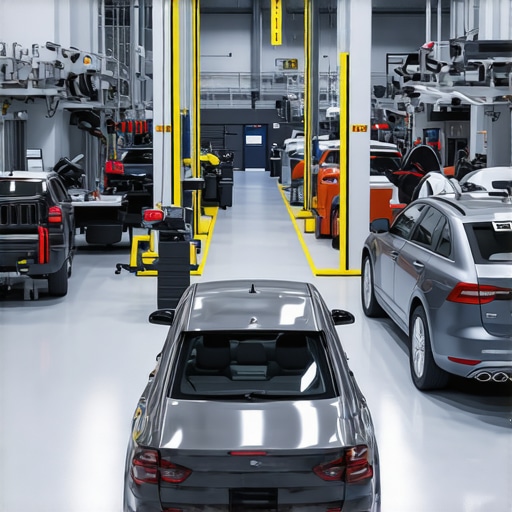
Ever found yourself stranded on the side of the road, engine roaring but transmission slipping? I’ve been there. That frustrating moment when your car refuses to shift smoothly can turn a routine drive into a stressful ordeal. It was a wake-up call for me—highlighting how crucial proper transmission care is, especially as technology evolves and cars become more advanced.
Why Transmission Maintenance Is More Critical Than Ever in 2025
As we gear up for 2025, the landscape of vehicle technology is transforming at lightning speed. Modern transmissions are no longer just mechanical parts—they’re sophisticated systems integrated with sensors, software, and electronic controls. This advancement means that neglecting transmission tune-ups can lead to costly repairs and safety issues down the line. According to a recent study, faulty transmissions are responsible for nearly 30% of vehicle breakdowns today, emphasizing the importance of proactive maintenance (source).
Before I dive into the specific strategies that will keep your transmission in top shape, I want to ask: Have you ever experienced sudden transmission issues that caught you off guard? If yes, you’re not alone. Many drivers underestimate how vital regular tune-ups are, often waiting until a problem arises before seeking help. My early mistake was ignoring those subtle warning signs—like delayed gear engagement or strange noises—which only worsened the problem over time.
Is Transmission Repair & Tune-Up Actually Worth the Hype?
At first, I thought routine maintenance was just an unnecessary expense. But I learned the hard way that preventive care can save you hundreds, if not thousands, in repairs. It’s like going to the dentist regularly—skipping check-ups might seem harmless until you face more severe issues. In the next sections, I’ll share proven strategies to help you stay ahead of potential problems and maximize your vehicle’s performance.
Start with a Comprehensive Transmission Inspection
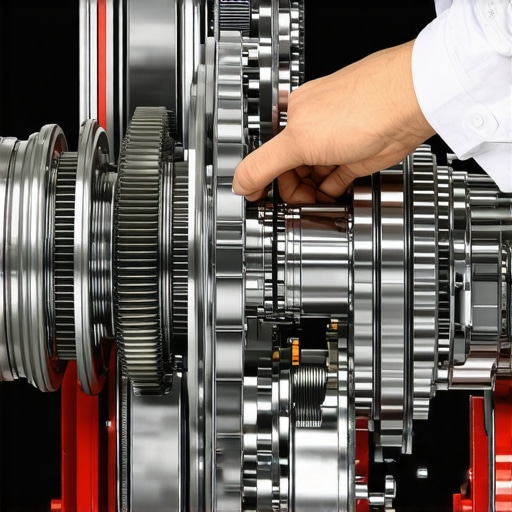
My first step was to schedule a thorough transmission inspection at a trusted auto shop. Think of this as a health check-up for your vehicle’s transmission—checking fluid levels, looking for leaks, and examining the physical components. During my visit, the technician used specialized tools to scan for error codes, which can reveal electronic issues in modern systems. Regular inspections can catch problems early before they escalate, saving you money and preventing breakdowns. For optimal results, refer to expert transmission system maintenance tips.
Prioritize Fluid Maintenance and Replacement
Next, I replaced the transmission fluid, which is like blood for your vehicle’s transmission—crucial for smooth operation. I drained the old, contaminated fluid and refilled with fresh, manufacturer-recommended fluid. This process helps prevent overheating, reduces wear, and ensures proper lubrication. For best practices, check your owner’s manual and consider a professional flush if your vehicle’s system requires it. Remember, in 2025, transmission fluids are often integrated with sensors and software, so using the right type is essential. Learn more about transmission tune-up strategies.
Update and Calibrate Electronic Components
Modern transmissions rely heavily on electronic controls. I had my vehicle’s software scanned and updated with the latest firmware, which can improve shifting accuracy and overall performance. Think of this step as updating your smartphone’s OS—necessary to keep all features running smoothly. Many vehicles also require calibration of sensors and actuators after repairs or updates, which a professional can handle precisely. This is especially important for hybrid or electric vehicles with complex transmission systems. Find out more at expert tuning advice.
Use High-Quality Parts and Fluids
When replacing components, I opted for OEM (Original Equipment Manufacturer) parts and premium fluids. This ensures compatibility and longevity, much like choosing quality ingredients for a recipe. Low-quality parts may seem cheaper initially but can lead to premature failures and costly repairs down the line. Always verify the specifications recommended by your vehicle’s manufacturer. For insights on selecting the best parts, see auto repair tips for 2025.
Implement a Scheduled Maintenance Routine
Finally, I set reminders for regular maintenance—every 30,000 to 60,000 miles, depending on driving conditions. This routine includes fluid checks, filter replacements, and professional inspections. Think of it as an annual check-up; the more consistent you are, the better your transmission performs. Using digital tools or service apps can help you stay on top of these schedules. For detailed schedules, visit auto service schedule tips.
Many car owners operate under misconceptions about transmission care, often leading to costly mistakes. One pervasive myth is that transmission fluid only needs to be replaced after a certain mileage, regardless of driving habits. In reality, modern transmissions, especially in 2025, rely heavily on electronic sensors and software updates that require a nuanced approach. Regular fluid checks are vital, but so is understanding the specific maintenance needs of your vehicle’s transmission system, which can vary widely based on driving conditions and vehicle type.
Another common mistake is neglecting the importance of software updates for electronic control units (ECUs). Many drivers assume that mechanical maintenance alone suffices, but in today’s vehicles, outdated firmware can cause shifting issues or even sensor malfunctions. Updating and calibrating electronic components is a critical step often overlooked—think of it as updating your smartphone’s OS to keep all apps running smoothly. Skipping this step can lead to performance issues and even premature wear of mechanical parts, as noted by automotive experts in recent studies.
What advanced drivers need to know about transmission diagnostics
For those with a deeper understanding, be aware that error codes from diagnostic scans can sometimes be misleading if interpreted without context. Modern transmissions are integrated with numerous sensors that provide real-time data. Relying solely on error codes without comprehensive inspection can result in missed underlying issues, such as minor leaks or sensor misalignments that could escalate if left unaddressed. Advanced diagnostics often require a combination of software analysis and physical inspection—a nuanced process that requires expertise. According to industry leaders, neglecting this can cause ‘hidden’ problems that only manifest as major failures later.
Have you ever fallen into this trap? Let me know in the comments. Remember, staying ahead with proactive maintenance, including software updates and nuanced diagnostics, can save you from expensive repairs and improve your vehicle’s longevity. For a comprehensive approach, explore expert transmission maintenance tips and avoid these common pitfalls that many overlook.
How do I maintain my transmission system over time?
Maintaining your transmission system is an ongoing process that requires the right tools and a disciplined approach. I personally rely on a combination of advanced diagnostic software, precision tools, and regular inspection routines to keep my vehicle running smoothly. One of my go-to tools is the OBD-II scanner, which allows me to access real-time data and error codes directly from the vehicle’s electronic control unit (ECU). This helps me identify issues early and address them before they escalate.
In addition to software, I use a professional-grade transmission fluid extractor for fluid changes. This tool ensures a complete and clean removal of old fluid, which is critical for optimal transmission health. I also recommend investing in a digital torque wrench to ensure that all bolts and fittings are tightened to manufacturer specifications, preventing leaks and mechanical failures.
For routine maintenance, I schedule bi-annual inspections, which include checking fluid levels, examining for leaks, and testing sensor calibration. For electronic components, I use manufacturer-approved firmware update tools, ensuring that the vehicle’s software is always current. As transmission technology advances, software updates and calibration tools will become even more vital, especially for hybrid and electric vehicles with complex systems.
Looking ahead, I predict that diagnostic tools will become increasingly integrated with AI-driven analysis, making maintenance more predictive than reactive. This will allow us to catch potential problems even earlier, saving time and money in the long run.
If you’re serious about keeping your transmission in peak condition, I highly recommend trying a comprehensive software diagnostic scan combined with a fluid flush using high-quality fluids. This combination has consistently helped me extend my vehicle’s lifespan and improve performance. For more detailed strategies, check out expert transmission maintenance tips.
The Hardest Lesson I Learned About Transmission Care
One of the most profound lessons I discovered is that neglecting the electronic components in modern transmissions can silently sabotage your vehicle’s performance. Initially, I believed that traditional fluid changes were enough, but I soon realized that software updates and sensor calibrations are equally vital. Overlooking this can lead to mysterious shifting problems that only a diagnostic scan can reveal.
3 Myths About Transmission Maintenance That Held Me Back
Myth one: “Transmission fluid only needs changing after specific mileage.” The truth is, driving conditions and electronic system updates influence fluid degradation. Myth two: “Mechanical repairs are sufficient for transmission health.” In reality, software updates and sensor calibrations are crucial, especially in 2025’s advanced vehicles. Myth three: “Regular inspections are optional.” Skipping routine checks can cause you to miss early warning signs and lead to costly repairs down the line.
What Experts Won’t Tell You About Future-Proof Transmission Care
Industry leaders emphasize the importance of integrating AI-driven diagnostic tools that predict issues before they manifest physically. This proactive approach, combined with routine software updates and high-quality parts, is the key to maintaining peak performance in 2025. Trusting these insights can save you from unexpected breakdowns and extend your vehicle’s lifespan significantly.

![Why Your 2026 Transmission Jerks at Low Speeds [Quick Fix]](https://collisionfixer.com/wp-content/uploads/2026/02/Why-Your-2026-Transmission-Jerks-at-Low-Speeds-Quick-Fix.jpeg)
Michael Anderson
This detailed post really highlights how complex modern transmission maintenance has become with all the electronic controls and software involved. I agree that regular diagnostics and software updates are crucial, especially for hybrid and electric vehicles where the systems are even more intricate. I’ve personally noticed that neglecting to stay on top of firmware updates can cause shifting issues that are hard to diagnose without proper tools. One challenge I’ve faced is finding a mechanic familiar with the latest tech—do you have recommendations on how to locate shops equipped for these advanced diagnostics? It seems like the investment in quality parts and regular inspections pays off in the long run, but I’d love to hear more about how other drivers balance DIY checks with professional services, especially as vehicles become increasingly sophisticated.
Sarah Collins
Reading through this detailed guide really resonated with me since I experienced sudden transmission issues last year. At the time, I was unaware of how crucial electronic calibration and software updates are, especially in newer vehicles. It made me realize that trustworthy diagnostics and regular software checks aren’t just optional extras—they’re fundamental to maintaining peak performance. Like the post mentions, using high-quality parts and sticking to scheduled maintenance can really save headaches down the line. I particularly appreciated the emphasis on understanding the holistic system, blending mechanical with electronic components. Has anyone here found reliable shops that specialize in advanced diagnostics for hybrid or electric cars? I’ve struggled to find mechanics with the right tools and expertise. Also, I wonder if DIY transmission diagnostics with an OBD-II scanner are worth pursuing for amateurs, or if that’s better left to professionals? Thanks for sharing such insightful tips!