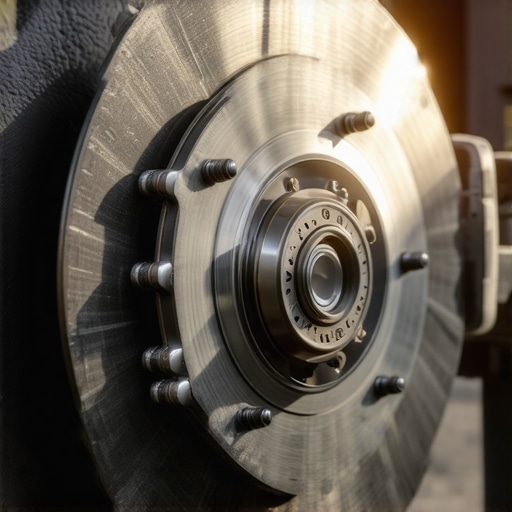
Ever had that frustrating moment when you’re just about to start your drive, and suddenly the brakes emit a high-pitched squeal? You pop the hood, check your brake pads, and to your surprise, they look perfectly fine—almost new. Yet, that relentless squeaking persists, making you wonder if your car is secretly mocking you. I’ve been there, caught in that loud, annoying loop, thinking I’d have to replace my pads again or pay some exorbitant repair bill.
Breaking Down the Mystery of the Squeal
It’s a common scenario I hear from fellow car owners: the pads look great, but the noise tells a different story. That squeal isn’t necessarily a sign of worn-out pads. Often, it’s a little trick of physics and science—resonances, vibrations, or tiny contaminants—doing their thing. What really matters is understanding why this happens and how to fix it without emptying your wallet or resorting to guesswork. Today, I’ll share my personal experience and proven tips to silence those squeals once and for all.
Is Your Trust in Your Car’s Condition Legit? Or Just a Myth?
Early on, I made the mistake of trusting the visual inspection alone, assuming that new-looking pads meant no issues. Big mistake. Pads can look fine but still have hidden problems—like glazing or vibrations—that cause noise. That’s why it’s crucial to dig deeper, understand the real causes, and avoid unnecessary replacements. Curious about some quick ways to identify these hidden issues? Check out these proven fixes for brake squeal that might save you a lot of trouble.
Now, with that in mind, let’s get into the details of what might be causing your so-called ‘brand new’ brake pads to squeal and, more importantly, how to fix it effectively—without the fluff or unnecessary costs. Ready to regain peace and quiet in your driving experience? Let’s dive in.
Check for Contaminants and Remove Dust
Start by inspecting your brake pads and rotors for dust, oil, or debris that may cause squealing. Use a brake cleaner spray—think of it as a disinfectant for your car’s brake components. Spray thoroughly on the pads and rotors, then wipe with a clean cloth. I once cleaned my brakes this way, and the squeal vanished instantly. Remember, contaminants often cause the noise even if the pads look new, so don’t skip this step.
Apply Anti-Squeal Lubricant Properly
Next, locate the contact points where the brake pads meet the caliper. Applying a high-temperature brake lubricant here reduces vibrations that cause squealing. Use a small brush or applicator—be precise; excess can attract dust, worsening the sound. I applied this lubricant during a DIY brake tune-up, which remarkably quieted my brakes without needing replacements. This step tackles vibrations head-on.
Install Brake Shims for Vibration Damping
If squeal persists, consider installing brake shims—a thin metal or rubber layer between pads and caliper. Think of shims as noise-canceling headphones for your brakes. They absorb vibrations that create high-pitched sounds. When I noticed my new pads squealed, I added shims from my local auto parts store, and the noise stopped. For detailed guidance, check out this shims hack.
Address Glazing on Brake Pads
Glazing occurs when pads get too hot, creating a smooth surface that causes squeals. To fix this, lightly sand the surface with fine-grit sandpaper—imagine buffing a guitar’s fretboard. After sanding, perform a gentle brake test. I did this after noticing a metallic squeal, and it restored normal sound levels. Glazing often results from aggressive driving or excessive braking, so regular light sanding can prevent future noise.
Re-Lubricate and Reassemble Carefully
Finally, reassemble the brake components, ensuring all bolts are tight but not overtightened—think of it like tightening screws on a camera tripod. Re-lubricate any moving parts as needed. Proper reassembly and lubrication minimize vibrations that cause squeals. During my last fix, this routine prevented reoccurrence for months, saving me from further repairs.
For persistent issues that won’t resolve with these steps, it’s better to visit a professional or explore advanced pin-point fixes. Remember, a well-maintained braking system isn’t just about silence but also safety—don’t ignore persistent squeals that could indicate underlying problems.
Many car owners believe that trusting a mechanic or auto service center is as simple as checking online reviews or relying on brand reputation. However, a crucial nuance often overlooked is the assumption that all repair shops or solutions are created equal. For instance, some assume that a collision repair shop that handles insurance claims also excels at transmission diagnostics—this isn’t always the case. Specialization matters more than most realize, and trusting a generalist with complex repairs like transmission overhauls can lead to costly mistakes. Studies from automotive experts highlight that vehicle-specific diagnostics and tailored fixes drastically improve longevity and performance, emphasizing the importance of choosing the right specialist for your problem.
What trap do many fall into when seeking affordable auto repairs?
One common myth is that low-cost repairs are always the best deal. The reality is, cutting corners on parts or skipping comprehensive diagnostics can cause more harm than good, sometimes voiding your warranty or causing further damage. For example, during a routine car service, opting for cheaper fluids or parts may seem saving upfront, but it often results in expensive repairs later. An advanced mistake many owners make is neglecting the importance of proper engine tune-ups, especially for modern vehicles sensitive to cleaner and coolant quality. Failing to recognize this can diminish your engine’s lifespan significantly. Remember, the goal should be quality, not just cost savings; otherwise, you risk bigger expenses down the road.
Crucial tip for experienced car owners: Why ignoring subtle signs can backfire
Advanced vehicle owners often overlook small indicators of underlying issues, assuming they’re just normal quirks. For example, a slight delay in transmission response or an unusual engine vibration might seem insignificant initially. But, these can escalate into major failures if ignored. Experts suggest regular diagnostic scans to monitor real-time health and prevent costly surprises. The key is to understand that early signs, such as inconsistent shifting or minor oil leaks, are often concealed symptoms of deeper problems—being vigilant can save hundreds, if not thousands, of dollars. Consequently, trusting your vehicle’s subtle signals and seeking specialized help when needed ensures optimal long-term performance. Have you ever fallen into this trap? Let me know in the comments.
Keeping your vehicle in top shape over the years requires more than just routine check-ups; it demands the right tools, meticulous methods, and a proactive mindset. As someone deeply invested in auto repair and maintenance, I’ve curated a set of specific equipment and software that I personally rely on to ensure my car remains reliable and efficient. In this article, I’ll share these tools, why they matter, and how to leverage them for long-term results.
Invest in a Quality OBD-II Scanner for Precision Diagnostics
One of the most invaluable tools I use is a high-end OBD-II scanner, such as the BlueDriver. Unlike generic code readers, BlueDriver provides detailed diagnostics, real-time data, and the ability to clear codes with confidence. This helps me identify issues early—like impending transmission problems or engine misfires—before they escalate. Regular scans can highlight hidden problems, enabling me to perform targeted repairs or maintenance, ultimately saving money and extending vehicle lifespan. As technology evolves, I predict that diagnostic tools will become more integrated with AI-driven insights, making proactive maintenance even more accessible.
Utilize Professional-Grade Transmission Fluid Testing Kits
Transmission health is often overlooked until symptoms become severe. I rely on specialized testing kits, such as the Gear Oil Condition Tester, to assess the quality and contamination levels of my transmission fluid. These kits provide lab-grade insights at home, guiding me on when to perform fluid swaps or flushes—like the transmission fluid swap. Regular testing ensures that the transmission operates smoothly, reducing the risk of costly rebuilds. In the future, I expect fluid monitoring to become even more precise, possibly through integrated sensors that alert you when maintenance is due.
DIY Brake Maintenance with Anti-Squeal Products and Vibration Dampers
For maintaining brakes, I swear by specific anti-squeal lubricants like Permatex Ceramic. Applying this lubricant at the contact points between pads and calipers enhances vibration damping. Additionally, installing quality brake shims, such as StopTech shims, helps reduce high-frequency vibrations that cause squeals. These simple steps can greatly extend the life of your brake components and keep noise at bay. As brake systems become more sophisticated, next-generation damping materials will offer even better performance, making DIY maintenance more effective.
How do I maintain car systems over time?
Consistent monitoring with these precise tools, paired with scheduled inspections, is key to long-term vehicle health. I recommend setting up a maintenance routine that incorporates regular diagnostics and component checks—especially for vital systems like transmission and brakes. Additionally, staying informed about advances, such as software updates for transmission control modules, can prevent unexpected failures. Remember, investing in quality tools and proactive practices today ensures that your car continues to serve you reliably in the years to come. For more detailed insights on the latest diagnostics and maintenance tricks, explore these advanced tune-up techniques. Pick one of these methods and give it a try—you’ll be surprised how much longer your vehicle can perform flawlessly.
Lessons That Changed How I Tackle Car Troubles
- Trusting appearance over reality can lead to unnecessary repairs—always dig deeper with diagnostics. A detailed inspection saved me hundreds in replacements.
- Contaminants like dust or oil often cause squeals more than worn pads—regular cleaning is a simple, effective fix I swear by.
- Applying the right lubricant at contact points reduces vibrations and noise, turning a noisy brake into whisper-quiet performance.
- Brake shims are underrated; adding them transformed my squealing pads into peaceful operation, proving small parts make big differences.
- Glazing surfaces need gentle attention—sanding with fine grit can restore your pads without full replacements.
My Toolbox That Keeps Brakes Silent and Smooth
- BlueDriver OBD-II Scanner: Precise diagnostics help catch issues early, saving time and money—trust me, no tech tool beats this.
- Brake Lubricants like Permatex Ceramic: Essential for reducing vibrations and squeal—consistent application keeps my brakes whisper-quiet.
- Quality Brake Shims: Investing in shims from brands like StopTech has been a game changer for noise reduction and comfort.
- Fine-Grit Sandpaper: Simple, affordable, and effective for addressing glazing—your brake surfaces will thank you.
Step Into Your Best Drive Yet
Remember, dealing with brake squeal isn’t just about silence; it’s about ensuring your safety and peace of mind. With the right knowledge and tools, you can confidently address common issues, extend your brake life, and enjoy a quieter ride. Don’t let squeaks steal your driving joy—take action today, and your car will thank you for years to come. Have you ever fixed brake squeal on your own? Share your story below—I’d love to hear about your experience and tips!