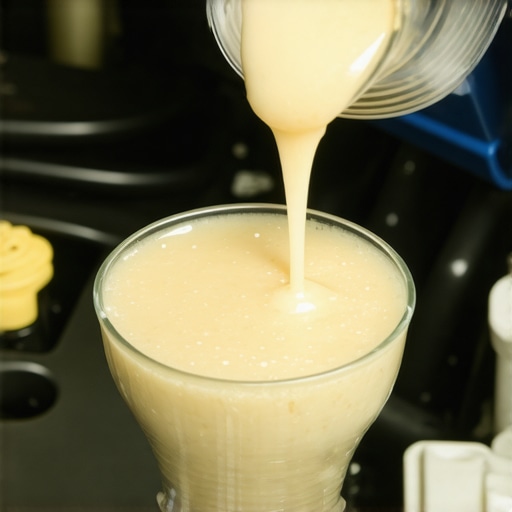
Why Your Engine Oil Looks Like a Milkshake and What To Do Immediately
Finding a thick, creamy, light-brown substance on your engine’s dipstick or under the oil fill cap is enough to make any driver’s heart sink. In the automotive world, this is colloquially known as the “milkshake,” and it is one of the most significant warning signs your vehicle can give you. This frothy, opaque sludge is a definitive indicator that your engine oil and engine coolant – two fluids that should never meet – have begun to mix. If you have discovered this, the most important advice is this: stop driving immediately.
Operating an engine with contaminated oil can lead to catastrophic internal failure within minutes. Whether you are seeking an oil leak repair or require a comprehensive engine diagnostic, understanding the severity of this situation is critical. For residents in the area, seeking professional auto repair Libertyville IL is the first step toward saving your engine from the scrap heap. This guide will walk you through why this happens, how to diagnose the root cause, and how to navigate the repair process using services like CarMax servicing or independent experts at AutoLab Libertyville.
Understanding the “Milkshake” Phenomenon: Science of Emulsification
To understand why your oil looks like a dessert, we have to look at the chemistry of lubrication. Under normal operating conditions, engine oil is a translucent amber or dark brown liquid designed to lubricate moving parts, reduce friction, and dissipate heat. Coolant (antifreeze), on the other hand, is a mixture of water and glycol designed to regulate the engine’s temperature. These two systems are kept strictly separate by a series of seals, gaskets, and metal walls.
When a seal fails and coolant enters the oiling system, the two liquids don’t just sit next to each other. As the engine runs, the crankshaft and oil pump act like a giant high-speed blender. This mechanical agitation causes the oil and water-based coolant to undergo emulsification. The water molecules become trapped within the oil, creating a thick, frothy mixture that loses almost all its lubricating properties. This is a primary reason why you should check for top signs your car needs expert auto repair now.
Once emulsified, the “oil” can no longer flow through the small passages (oil galleries) required to reach the top of the engine. It becomes too thick to provide a protective film between metal components like bearings and camshafts. Without this film, metal-on-metal contact occurs, leading to extreme heat and, eventually, a seized engine. This is why immediate intervention from a professional auto lab is non-negotiable.
The 3 Most Common Causes of Milky Oil
While the symptom is almost always the same, the cause can range from a failing gasket to a structural failure in the engine block. Identifying the source is the first priority for any technician performing an oil leak repair.
1. The Blown Head Gasket: The Great Barrier Breach
The head gasket is the most critical seal in your engine. It sits between the cylinder head and the engine block, sealing the combustion chambers, the high-pressure oil passages, and the cooling jackets. When a head gasket “blows,” it develops a breach that allows coolant to migrate into the oil return ports.
This failure is often the result of extreme overheating. When an engine gets too hot, the metal components expand at different rates, warping the head and crushing the gasket. A common symptom accompanying this is a bubbling radiator overflow tank, caused by combustion gases being forced into the cooling system. If you drive a vehicle known for head gasket sensitivity, such as certain Subaru or older Toyota models, this should be your first suspicion.
2. Cracked Cylinder Head or Engine Block: Structural Failure
A more severe cause of the milkshake look is a physical crack in the engine’s casting. This usually happens for two reasons: extreme overheating or a frozen cooling system. If the coolant mixture doesn’t have enough antifreeze and the temperature drops below freezing, the water in the block expands, literally cracking the metal from the inside out.
Cracks can also develop over time due to casting defects or high-mileage fatigue. In these cases, the repair is often more intensive than a simple gasket replacement, sometimes requiring a full engine swap. If you are searching for the best jeep service near me or specialized truck repair, a technician will likely use dye tests to ensure the block’s integrity hasn’t been compromised.
3. Failed Oil Cooler: The Internal Leak
Many modern, high-performance engines – particularly those from European manufacturers – use an oil-to-water cooler. These units allow coolant to flow through a heat exchanger to pull heat away from the engine oil. Over time, the internal seals or the heat exchanger core itself can corrode and fail. When this happens, the higher pressure of the oiling system often forces oil into the coolant, or vice versa when the engine is turned off.
For owners of a Libertyville VW or those requiring BMW oil leak repair, the oil cooler is a very common culprit. Unlike a head gasket, an oil cooler failure is often easier and less expensive to fix, but it still requires a complete system flush to remove the contaminated “milkshake” from both the oil and cooling systems.
The “Short Trip” Exception: When It’s Just Condensation
Before you panic and assume you need a $3,000 engine rebuild, there is one scenario where milky residue is “normal” – though still something to monitor. If you notice a small amount of white or yellowish cream specifically on the underside of the oil fill cap, but the oil on the dipstick looks clean and amber, you might be dealing with simple condensation.
This occurs most frequently in cold climates during the winter. When you take short trips (less than 10-15 minutes), the engine doesn’t stay at operating temperature long enough to burn off the moisture that naturally accumulates in the crankcase. This moisture rises to the highest, coolest point – the oil cap – and mixes with oil vapors to create a localized emulsion.
However, you should never assume it’s “just condensation.” If you see this, bring your vehicle to an auto lab for a quick check. A professional can tell the difference between harmless condensation and a developing oil leak repair issue. To prevent this, try to take your car for a longer highway drive once a week to ensure the engine reaches full temperature, allowing the PCV system to evacuate that moisture. You might also consider a CarMax oil change or a visit to AutoLab Libertyville to ensure your PCV valve isn’t clogged, which exacerbates this problem.
How to Diagnose the Issue (The Professional Way)
When you take your car to a CarMax repair shop or AutoLab Libertyville, technicians won’t just guess. They use a series of scientific tests to confirm exactly where the fluids are mixing.
- Cooling System Pressure Test: Technicians attach a pump to the radiator or coolant reservoir and pressurize the system to its rated limit (usually 15-20 psi). If the pressure drops and no external leaks are visible, the coolant is likely leaking internally into the oil pan.
- Chemical Block Test: This is a definitive test for a blown head gasket. A tool containing a blue chemical liquid is placed over the radiator neck. If combustion gases (CO2) are leaking into the coolant, the blue liquid will turn yellow or green. This confirms the seal between the cylinder and the cooling jacket is broken.
- Visual Inspection for White Smoke: Coolant burning in the combustion chamber produces a very specific, thick white smoke with a sweet smell (like maple syrup). This is distinct from the blue smoke of burning oil or the black smoke of a rich fuel mixture.
- Cylinder Leak-Down Test: By injecting compressed air into each cylinder and measuring the rate of loss, a mechanic can pinpoint exactly which cylinder has a failed gasket or a cracked head.
These diagnostics are similar in precision to the smoke test trick to find a hidden EVAP leak in minutes. While an evap system leak detected code is annoying, a milkshake in the oil is a much higher priority that requires these advanced diagnostic tools to solve correctly.
Repair Options and Using Your Warranty (MaxCare & Synchrony)
Once the diagnosis is in, the conversation turns to the budget. A head gasket repair can range from $1,500 to $4,000 depending on the vehicle’s complexity. If you have a luxury vehicle requiring BMW oil leak repair, the labor costs can be significant due to the engine’s overhead cam design.
This is where extended warranties and specialized financing become lifesavers. If you purchased your vehicle through CarMax, your MaxCare service plan likely covers major engine failures, including head gaskets and oil coolers. You can take your vehicle to a CarMax service department or an authorized independent facility like AutoLab Libertyville to have the work performed with minimal out-of-pocket costs.
For those without an extended warranty, many shops offer Synchrony Car Care. This credit line is designed specifically for automotive needs, allowing you to spread the cost of a major libertyville car repair over several months, often with interest-free promotional periods. Whether you need a simple oil pan repair or a complete engine overhaul, using Synchrony Car Care can make the financial burden manageable.
When choosing a shop, ensure they are familiar with CarMax car service protocols if you are using a warranty. Shops that regularly handle CarMax servicing understand how to document the failure to ensure your claim is approved quickly, getting you back on the road sooner.
Beyond the Engine: Other Fluid Leaks to Watch For
While the oil-and-coolant “milkshake” is the most famous fluid mixing issue, it isn’t the only one. Your vehicle relies on several closed-loop systems, and cross-contamination can happen elsewhere.
For example, many automatic transmissions use a cooling line that runs through the radiator. If that internal line ruptures, you get “Strawberry Milkshake,” where transmission fluid and coolant mix. This requires immediate transmission leak repair fluid services and a total transmission flush. If left untreated, the water in the coolant will dissolve the glue holding the transmission’s friction plates together, leading to total failure. You can learn more about this in our guide on the reason your transmission fluid is turning brown and smelling burnt.
Additionally, don’t ignore smaller leaks. An oil pan repair might seem minor, but a slow leak can lead to low oil pressure, which increases engine heat and contributes to the very head gasket failures we’ve discussed. Similarly, an evaporative emission system repair is necessary to keep your car running efficiently and passing emissions. If you see an evap system leak detected light, it’s a sign that your car’s “breathing” system is compromised, which can occasionally lead to moisture buildup in the engine.
Conclusion: Don’t Wait for Engine Failure
Seeing a milkshake under your hood is a scary experience, but it doesn’t have to mean the end of your vehicle. The key is speed. The longer you drive with contaminated oil, the more damage you do to the internal bearings, pistons, and camshafts. What starts as a head gasket repair can quickly turn into a total engine replacement if the vehicle isn’t shut down immediately.
If you are in the Libertyville area and suspect your oil is contaminated, don’t take chances. Visit AutoLab Libertyville for a professional diagnostic. Our team is experienced in handling everything from BMW oil leak repair to Libertyville VW maintenance. If you are a CarMax customer, we can help you navigate your MaxCare benefits to ensure your oil leak repair is covered correctly.
For those whose oil still looks healthy, remember that prevention is the best medicine. Regular oil change CarMax services and routine inspections can catch small leaks before they turn into “milkshakes.” Check out our article on how to maximize your car’s lifespan with regular tune-ups and learn how to tell if that oil leak is actually coming from the valve cover. Stay vigilant, check your fluids regularly, and never ignore the signs of a “milkshake” in your engine.
Whether it’s a $20 sensor that fixes your car’s erratic idle or a major structural engine repair, the experts at Auto Lab are here to keep your vehicle running smoothly. Don’t let a small leak turn into a catastrophic failure – schedule your inspection today.