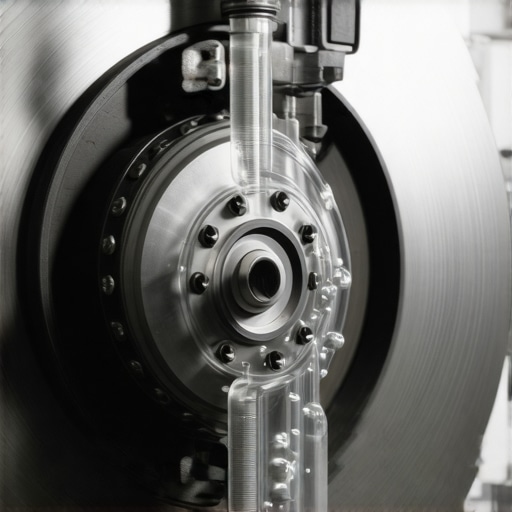
Why Your Brakes Still Feel Spongy After a Full Suffolk County Brake Service
There is perhaps nothing more unsettling for a driver than hitting the brake pedal and feeling it sink toward the floor with the consistency of a marshmallow. You expect a firm, immediate response, especially after you have just invested in a professional service. You might have just left a local brake auto repair shop, expecting the crisp performance of a brand-new vehicle, only to find that the “spongy” sensation persists. This phenomenon is not just a nuisance; it is a critical safety concern that indicates the hydraulic or mechanical integrity of your braking system is still compromised.
A “full service” should, in theory, resolve these issues, but the reality of modern automotive engineering means that standard maintenance sometimes misses deep-seated nuances. One of the primary reasons for this lingering softness is the nature of brake fluid itself. Brake fluid is hygroscopic, meaning it actively absorbs moisture from the atmosphere over time. This moisture lowers the fluid’s boiling point and can lead to the formation of air bubbles within the lines. Even after a flush, if the technician doesn’t address the root hydraulic or mechanical cause, that spongy feeling will remain. Understanding why your suffolk county brake service might have left you with a soft pedal requires a deep dive into the physics of your car’s stopping power.
The Primary Culprit: Trapped Air in the Hydraulic System
The most common reason for a spongy brake pedal is the presence of air within the brake lines. To understand why this is a problem, we have to look at the physics of hydraulics. Brake fluid is an incompressible liquid. When you press the pedal, that force is transferred directly through the fluid to the calipers. Air, however, is a gas and is highly compressible. When air enters the lines, the force you apply to the pedal goes into compressing the air bubbles rather than moving the brake pads. This results in that dreaded “mushy” feeling.
During a suffolk county brake service, the system is “bled” to remove this air. However, bleeding a modern braking system is more complex than it used to be. If a technician uses a loose hose connection on a bleeder screw or if there is a poor seal at the master cylinder adapter during a pressure bleed, air can actually be sucked back into the lines. According to data from Phoenix Systems, a leading authority on brake testing, a poor seal at the master cylinder adapter during pressure bleeding can introduce more air than the process removes, leading to a pedal that feels worse after the service than it did before.
Furthermore, if your car is experiencing other issues, such as why your car pulls left only when you brake, it could indicate that air is trapped specifically in one side of the system, causing uneven pressure distribution. Proper bleeding requires a methodical approach, often starting from the wheel furthest from the master cylinder and working inward, ensuring every pocket of air is evacuated. If this process is rushed or if the equipment is faulty, the hydraulic integrity remains compromised.
The ABS Pump: The “Hidden” Air Pocket
In the era of modern safety technology, almost every vehicle on the road in Suffolk County is equipped with an Anti-lock Braking System (ABS). While ABS is a lifesaver in slippery New York winters, it adds a layer of complexity to brake maintenance. The ABS modulator or pump contains a series of internal valves and chambers that can trap air pockets that standard gravity or pressure bleeding cannot reach. This is a frequent hurdle for DIY enthusiasts or lower-tier shops that lack specialized diagnostic equipment.
When you take your vehicle to a high-quality shop like md automotive or auto md, the technicians use an electronic scan tool to communicate with the vehicle’s computer. This tool initiates a “service bleed” or “ABS bleed” procedure, which electronically cycles the internal valves within the ABS pump while the system is being bled. This is the only way to force trapped air out of the modulator and into the brake lines where it can be removed. If your recent service didn’t include this step, and air was introduced to the system during a part replacement, the pump will hold onto that air, leaving you with a soft pedal regardless of how many quarts of fluid are flushed through the calipers.
This technical nuance is why specialized md automotive repair is essential for modern vehicles. Relying on “old school” bleeding methods on a “new school” ABS-equipped car often results in an incomplete job and a persistent safety risk.
New Pads on Worn Rotors: The Tapered Wear Problem
Sometimes, the “sponginess” isn’t hydraulic at all – it’s mechanical. A common scenario involves a driver getting new brake pads while opting to keep their old rotors to save money. While this might seem cost-effective, it often leads to a poor pedal feel. Insight from automotive forums like Reddit and StackExchange, backed by professional mechanical standards, highlights that tapered wear on rotors is a leading cause of a spongy feel even when the hydraulic system is perfectly air-free.
Over tens of thousands of miles, rotors develop grooves, ridges, and a slight taper. When you install brand-new, perfectly flat brake pads against these uneven surfaces, the pad only makes contact with the “high spots” of the rotor. When you press the brake pedal, the “sponginess” you feel is actually the brake pad flexing and deforming to conform to the uneven shape of the rotor under high pressure. This mechanical “compliance” mimics the feel of air in the lines.
When visiting a tire shop auto repair center, it is vital to have your rotors measured with a micrometer. If they are within the “discard thickness,” they should be replaced. If they have enough meat left, they must be resurfaced (turned) to create a perfectly flat mating surface for the new pads. If you are also wondering why your brakes squeal even with new pads, this lack of proper rotor preparation is usually the culprit. A smooth, flat surface is required for both silence and a firm pedal.
Master Cylinder Internal Leaks (The “Bypass” Effect)
The master cylinder is the heart of your braking system. It converts the mechanical pressure of your foot into hydraulic pressure. However, master cylinders can fail in a way that is invisible to the naked eye. This is known as an internal leak or the “bypass” effect. In this scenario, the internal rubber seals that push the fluid through the lines become worn or pitted. Instead of pushing the fluid forward, the seals allow the fluid to “bypass” the piston and leak back into the reservoir.
The hallmark symptom of a failing master cylinder is a brake pedal that feels firm initially but slowly and steadily sinks toward the floor while you are holding it at a stoplight. Because the fluid is staying inside the system, you won’t see any puddles on your driveway, making it difficult to diagnose without a professional auto engine repair shop evaluation. At md auto repair, technicians perform a “bypass test” by plugging the master cylinder outlets; if the pedal still sinks, the internal seals are confirmed to be the failure point. Replacing the master cylinder is often the only solution to restore the hydraulic pressure necessary for a safe stop.
Expanding Rubber Brake Hoses
While we often focus on the metal parts of the braking system, the flexible rubber hoses that connect the hard lines to the calipers are equally important. These hoses are designed to withstand high pressure while allowing the wheels to move with the suspension. However, rubber is an organic material that degrades over time. Heat, ozone, and constant pressure cycles eventually cause the internal structure of the hose to weaken.
In older vehicles or high-mileage md fleet services vehicles, these hoses can become “soft.” Under heavy braking, instead of the fluid pressure being directed entirely into the caliper piston, the hose itself “balloons” or expands outward. This expansion takes up volume in the hydraulic circuit, resulting in a spongy pedal. Because this is a gradual process, many drivers don’t notice the degradation until it becomes a safety issue. During a vehicle suspension repair or a comprehensive brake inspection, a technician should physically inspect these hoses for cracking, bulging, or excessive softness to ensure they aren’t the weak link in your safety chain.
The Suffolk County Factor: Corrosion and Salt
Living in Suffolk County presents unique challenges for vehicle maintenance. Our proximity to the Atlantic Ocean and the heavy use of road salt during Long Island winters creates a highly corrosive environment. This salt air and brine can wreak havoc on the mechanical components of your brakes. Specifically, corrosion can cause the caliper slider pins to seize or become “sticky.”
If a caliper cannot slide freely, it may “cock” at an angle when the brakes are applied. This prevents the pad from making full, flat contact with the rotor, once again creating a mechanical sponginess as the system tries to overcome the misalignment. Furthermore, corroded bleeder screws are a nightmare for technicians; they can snap off during a suffolk county brake service, leading to incomplete bleeding of the system. This is why local expertise at md auto or m & d auto repair is so valuable. Technicians in our area are accustomed to dealing with rust-belt issues and know to clean and lubricate slider pins and hardware as a standard part of every brake job – a step often skipped by shops in drier climates.
Additionally, extreme heat can exacerbate these issues. PowerStop research indicates that overheating a caliper (often caused by a sticking pad or heavy braking on the LIE) can cause brake fluid to boil. This creates “vapor lock,” where the fluid turns into gas, leading to an immediate and terrifying spongy pedal. Ensuring your calipers are moving freely is the best defense against this localized overheating.
Conclusion & Final Safety Check
A spongy brake pedal is more than just an annoyance; it is a clear signal that your vehicle’s most important safety system is not operating at 100% capacity. If you have recently invested in a suffolk county brake service and the pedal still doesn’t feel right, do not ignore it. The issue could range from air trapped in the ABS modulator to internal master cylinder failure or even mechanical compliance issues from worn rotors. It is vital to maximize your car’s lifespan with regular tune-ups and professional diagnostics to catch these issues before they lead to a collision.
At mdautorepairny.com, we specialize in deep-dive diagnostics that go beyond a simple pad swap. Whether you need a brake auto repair shop to perform a specialized ABS bleed, an auto shop ac repair to stay cool in the summer, or an auto repair wheel alignment to ensure your tires wear evenly, our team is equipped with the tools and local knowledge to keep you safe. We also provide comprehensive auto exhaust repair shop services and md fleet services to keep Suffolk County moving.
Remember, if you notice other oddities like why your brake lights stay on when the car is off or why your tires still wear unevenly after a professional shop alignment, these are all symptoms of underlying mechanical stress. Safety on the road starts with a firm pedal and a well-maintained vehicle. Don’t settle for “good enough” when it comes to your brakes – ensure your system is air-free, your hardware is lubricated, and your components are high-quality.