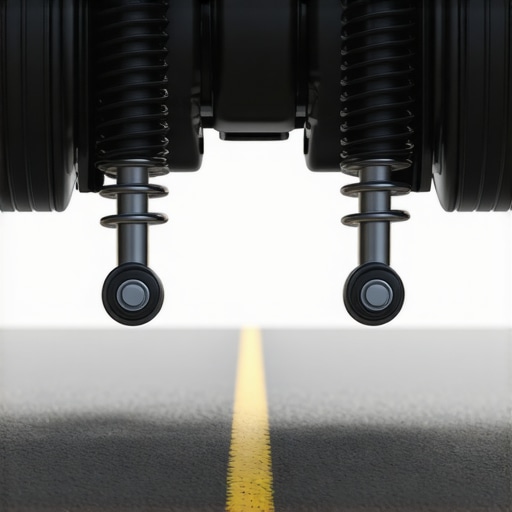
It was a chilly Saturday morning when I first noticed that unmistakable squeak echoing every time I bumped over a speed bump in my neighborhood. At first, I thought it was just my imagination or maybe a loose wire, but as days went on, the squeaking grew louder and more persistent. That unsettling sound became a constant reminder that my car wasn’t as smooth as it used to be and that I needed to figure out what’s going on. If you’ve ever experienced this, you know that sound can be more than just an annoyance—it can signal underlying issues that might affect your safety and vehicle longevity.
Understanding Why Your Suspension Squeaks Over Speed Bumps
One of the most common questions I get from fellow car owners is, “Why does my suspension squeak only when I go over speed bumps?” Believe me, I’ve been there, scratching my head, trying to pinpoint the cause. The truth is, this squeaking is often a sign that your suspension components—like bushings, struts, or shocks—are wearing out or lacking necessary lubrication. Over time, exposure to dirt, moisture, and road salt can cause these parts to degrade, leading to squealing sounds during movement.
But it’s not just old age at play. Sometimes, a simple lack of regular maintenance can cause the same issue. I learned early on that neglecting basic inspections led to bigger, more expensive problems down the line. Make sure your vehicle receives regular tune-ups; they’re vital for catching issues before they turn into costly repairs. Want to see how routine maintenance can actually save you money? Check out [this article on how transmission overhauls can save you big in the long run](https://collisionfixer.com/how-transmission-overhauls-save-you-money-in-the-long-run). It’s an eye-opener!
Now, if you’re like me, you might worry that a squeak means major suspension damage—that’s a fair concern. The good news is, in many cases, fixing this squeaking is straightforward, involving simple repairs or lubrication. But the key is identifying the root cause. That’s where understanding your vehicle’s suspension system can make all the difference.
Before we dive into the solutions, let me share a mistake I made early on: ignoring the squeak and hoping it would disappear. Spoiler alert—it didn’t. Instead, the problem worsened, leading to potential safety risks and more costly fixes. That’s why paying attention to odd noises and addressing them promptly is so important. Curious if your suspension needs an expert look? You can explore [important signs your car needs professional auto repair now](https://collisionfixer.com/top-signs-your-car-needs-expert-auto-repair-now).
Inspect Your Suspension Components Carefully
Start by elevating your vehicle safely using jack stands, then remove the wheels to access suspension parts. Examine bushings, shocks, and struts for cracks, leaks, or wear. I once used a stethoscope to pinpoint the squeak to a worn bushing, which saved me from costly replacements. Replace any damaged parts with OEM-quality components to ensure longevity. Lubricate bushings with appropriate grease—think of it as giving your suspension a much-needed massage, reducing squeaks and friction. If you’re unsure about the condition of your shocks or struts, perform a bounce test: push down firmly on each corner and observe how your car responds. Excessive bouncing suggests worn-out shocks needing replacement. For detailed guidance, check out [maximize your car’s lifespan with regular tune-ups](https://collisionfixer.com/maximize-your-cars-lifespan-with-regular-tune-ups).
Apply Proper Lubrication to Prevent Future Noises
Once you identify squeak-prone parts, apply high-quality lubricants designed for suspension systems. Use silicone spray or rubber-safe grease, avoiding petroleum-based products that can degrade rubber components over time. Remember, lubrication isn’t a one-time fix; regular reapplication preserves component integrity. During my DIY fix, I applied lubricant to bushings and joints, which immediately quieted the squeak. To keep your suspension in top shape, schedule periodic inspections—regular care is like routine workouts for your car, preventing issues before they manifest as noise or breakdowns. Want to ensure your vehicle’s overall health? Explore [essential car service tips for safe summer drives](https://collisionfixer.com/essential-car-service-tips-for-safe-summer-drives).
Upgrade or Replace Worn-Out Parts Promptly
If inspection reveals severely worn components, replacing them is crucial. Choose quality parts that match your vehicle’s specifications to avoid future headaches. As an example, I replaced a worn shock absorber with an OEM part, and the improvement in ride comfort was remarkable. Always follow torque specifications when installing suspension parts to prevent premature failure. Document your repair process—photos and notes can streamline future maintenance and provide proof for warranties. For complex cases, consulting a professional can save you time and money, especially if diagnostic codes indicate deeper issues. For persistent squeaks that don’t resolve with lubrication or parts replacement, it may be time to consider other elements like sway bar links or control arm bushings. When in doubt, reach out through [contact us](https://collisionfixer.com/contact-us), and get expert advice. Regular maintenance not only stops squeaks but also prolongs your vehicle’s life, keeping you safe and sound on every trip.When it comes to maintaining your vehicle, there’s a lot of misinformation circulating, often leading car owners astray. One common myth is that a basic tune-up suffices for decades of reliable performance; in reality, modern vehicles demand more precise and tailored maintenance strategies, including understanding the nuances of computerized systems and sensor calibrations. Overlooking these details can result in subpar engine efficiency or even costly repairs. For instance, many assume that changing the oil is enough for transmission health, but transmission fluid, whether synthetic or conventional, plays a crucial role in smooth shifting and longevity—see [the truth about transmission fluids](https://collisionfixer.com/the-truth-about-transmission-fluid-2) for deeper insights.
A frequent mistake is neglecting the evolving diagnostics technology that can detect issues before symptoms appear. Relying solely on visual inspections or old-school troubleshooting can cause you to miss early signs of sensor failures or frame damage. Experts emphasize that timely diagnostics, including sensor checks and data stream analysis, are vital for preventing potential breakdowns. This is especially important because many auto repair shops may not prioritize these advanced diagnostics, leading to persistent issues that could have been resolved early.
Beyond technical aspects, there’s a misconception that all mechanics perform equally. In truth, the difference lies in specialization and experience. Choosing a technician well-versed in your vehicle’s make and model, who understands the intricacies like ECU calibrations and software updates, ensures you get genuine value. For example, properly diagnosing a misfire isn’t just about replacing spark plugs; it may involve updating the engine control unit (ECU) software or inspecting sensors—details that a generic mechanic might overlook.
Have you ever fallen into this trap? Let me know in the comments.
### Why Do Some Repairs Fail to Fix the Problem the First Time?
Many car owners are surprised when recurring issues persist despite multiple visits to the repair shop. This often happens because the root cause wasn’t fully diagnosed initially. For example, replacing a clutch without inspecting the hydraulic system or considering the possibility of a hidden leak can lead to repeated failures. Experts recommend comprehensive diagnostics that encompass fluid analysis, sensor checks, and even frame assessments, such as [spotting hidden frame damage](https://collisionfixer.com/how-collisionfixer-techs-spot-hidden-frame-damage-on-used-cars). Recognizing these hidden factors is crucial for lasting repairs.
The hidden nuances of auto repair involve understanding that your vehicle’s systems are interconnected. Overlooking subtle signs like uneven tire wear or slight steering vibrations can delay the detection of underlying issues like suspension misalignment or fluid leaks, which may cause bigger problems down the line. Regular, detailed inspections, especially before long trips or seasonal changes, are your best allies in proactive maintenance.
In essence, mastering the nuances of car care requires a blend of technical knowledge and vigilant observation. Don’t compromise on diagnostics or trust the cheapest option without vetting the technician’s expertise. Staying informed and cautious can dramatically extend your vehicle’s lifespan and keep unexpected breakdowns at bay. For more tips on maximizing your vehicle’s lifespan, explore [regular tune-up essentials](https://collisionfixer.com/maximize-your-cars-lifespan-with-regular-tune-ups). Remember, your car is an investment—treat it with the meticulous care it deserves.Maintaining your vehicle’s performance requires the right tools and a methodical approach. I rely heavily on a combination of diagnostic software and quality physical equipment to ensure precise repairs. One essential software I use is the Mitchell UltraMate diagnostic platform, which provides deep insights into engine, transmission, and electronic systems—crucial for troubleshooting complex issues like transmission stalls or sensor failures. This tool helps me pinpoint problems quickly, saving both time and money, especially when assessing critical components such as [the 5 sensors that cause your car to stall randomly](https://collisionfixer.com/the-5-sensor-that-causes-your-car-to-stall-randomly). For physical tools, I highly recommend a digital multimeter with at least 2000 counts resolution; in my experience, it’s invaluable for checking wiring integrity and sensor voltages during troubleshooting. A laser thermometer is also essential to verify engine temperatures and identify cooling system issues without invasive procedures, ensuring your vehicle doesn’t overheat and prolonging its lifespan. When working on suspensions or wheel wells, a pry bar and a quality jack stand set are non-negotiable—they provide leverage and safety in every lift, especially when inspecting for hidden frame damage or rust penetration, as discussed in [how collision fixer techs spot hidden frame damage on used cars](https://collisionfixer.com/how-collisionfixer-techs-spot-hidden-frame-damage-on-used-cars).
I also suggest integrating a set of magnetic inspection mirrors and LED flashlights into your toolkit, allowing you to see into tight spaces and identify leaks or corrosion early. Regular calibration of these tools ensures accurate diagnosis and effective repairs. As the trend moves toward more sophisticated diagnostics, staying updated with software updates from OEMs and investing in OBD-II scanners that support vehicle-specific protocols will become even more critical. This proactive approach can mean fewer surprises during repairs and a more reliable vehicle over its lifetime.
Curious about extending the life of your transmission? Regularly reviewing your transmission fluid life cycle and understanding [how transmission overhauls save you money in the long run](https://collisionfixer.com/how-transmission-overhauls-save-you-money-in-the-long-run) can guide your maintenance plan. Remember, mastering your toolkit and staying informed about the latest repair techniques offers peace of mind and keeps your vehicle running smoothly for years to come. Feel free to try calibrating your multimeter today—it’s surprising how much a simple voltage check can reveal about your vehicle’s health.
Lessons The Garage Won’t Always Tell You
- One of my toughest lessons was realizing that not every squeak signals massive damage—sometimes it’s just a matter of simple lubrication or a minor part replacement. This taught me to approach each noise with a balanced perspective, avoiding unnecessary panic or costly repairs.
- I learned that regular inspections can prevent minor suspension issues from worsening. Waiting until the squeak becomes unbearable often leads to more extensive—and expensive—fixes. Staying proactive is truly the secret to saving money and ensuring safety.
- Patience has been key. Diagnosing suspension squeaks often requires methodical checking and sometimes a bit of trial and error. Rushing to replace parts without proper diagnosis can be a waste, so taking the time to understand your vehicle’s specific needs pays off significantly.
Tools and Resources That Have Changed My Approach
- The Mitchell UltraMate diagnostic platform revolutionized how I troubleshoot complex issues. Deep insights into engine and electronic systems help me pinpoint problems quickly, saving time and avoiding guesswork.
- A good quality multimeter is non-negotiable for me. Checking wiring and sensor voltages provides valuable clues that often reveal hidden problems, like loose connections causing squeaks or performance hiccups.
- Investing in a laser thermometer and inspection mirrors has helped me catch cooling system issues or corrosion early, which sometimes relates to suspension problems. These tools are affordable investments for anyone serious about DIY maintenance.
Keep Moving Forward: Your Car Deserves It
“Every squeak and bump your car makes is an opportunity to learn more about its health. Embrace the process, stay curious, and don’t shy away from seeking expert advice when needed. Your vehicle is more than a machine—it’s a trusted companion.” Remember, consistent care extends your car’s lifespan and keeps you safe on every journey. What’s one suspension issue you’ve overlooked that turned out to be simpler than you thought? Share your stories below!