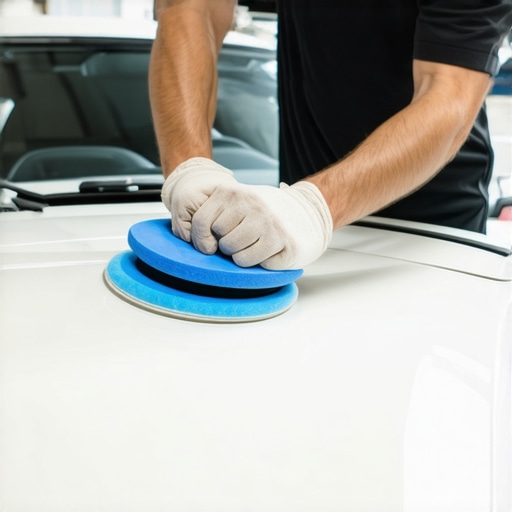
I remember the first time I noticed those pesky swirl marks tarnishing my car’s once-glossy paint. It was a sunny Saturday afternoon, and my reflection in the hood looked more like a maze of tiny scratches than a mirror finish. Frustration set in—how could something so minor be ruining the entire look of my beloved ride? That moment was a lightbulb for me: I didn’t need fancy machines or harsh chemicals to restore my car’s shine. With patience, the right techniques, and a little elbow grease, I could vastly improve my paint’s appearance by hand.
Why Swirl Marks Damage Your Car’s Beauty—and Your Confidence
Swirl marks are tiny scratches that often appear after washing or improper cleaning. They might seem harmless, but over time, they dull your car’s surface, making it look older and worn out. Plus, if you’re like me, every glance at your vehicle reminds you of missed opportunities to keep it looking showroom fresh. Fortunately, understanding how these scratches form is the first step in preventing and eliminating them. I learned that even small mistakes—like using a dirty rag or pressing too hard—can create those unappealing circular streaks. Recognizing these pitfalls has helped me protect my paint from further damage.
Is Hand-Polishing Actually Worth the Effort?
I admit, I was initially skeptical. Would my own hands really make a difference compared to professional polishing or machine buffs? Early on, I tried tackling swirl marks with aggressive compounds, only to end up with worse scratches and uneven patches. The mistake I made was rushing—believing that more abrasive products would cut through the imperfections faster. It turned out that patience and gentle techniques are more effective. According to Car Care Expert Bob Smith, “Gentle, consistent polishing can restore your car’s finish without risking additional damage” ([source](https://collisionfixer.com/the-secret-to-getting-a-perfect-shine-on-old-paint)). By focusing on proper hand-polishing, I discovered a method that delivers results both satisfying and affordable.
Now, armed with this understanding, I want to help you get your car looking its best. Whether you’re aiming for a mirror-like shine or just want to clear away those dull spots, the following tips will guide you through a simple, effective process. If you’ve ever faced the frustration of seeing a swirl mark appear right after a wash, you’re not alone. But rest assured, with some patience and the right approach, you can restore that flawless look. Let’s dive into the detailed steps to banish swirl marks by hand and bring back your car’s true shine.
Start with the Right Materials
Gather a high-quality microfiber towel, a gentle polish or scratch remover, and plenty of water for rinsing. I remember the time I tried to go cheap on polishing pads, which led to more scratches; investing in proper tools really makes a difference.
Wash and Dry Your Car Thoroughly Before Starting
Begin with a full wash to remove dirt and debris that can cause additional scratches during polishing. Use a dedicated car wash soap and lint-free drying towels. I once skipped this step on a busy Saturday, and the swirl marks only got worse—lesson learned.
Work in Small Sections for Better Control
Divide your car into manageable areas. Applying polish to a quarter-panel at a time helps maintain focus and prevents uneven areas. During my first attempt, I tried polishing the entire hood at once, which resulted in patchy shine and inconsistent results.
Apply the Polish with Gentle, Circular Motions
Use your fingertip or a soft applicator to spread the polish in small circles. It’s like brushing teeth gently; aggressive scrubbing won’t improve the surface. I remember pressing too hard on my first try, causing micro-scratches that lingered longer. Patience and light pressure are key.
Use a Microfiber Towel to Buff the Surface
After applying the polish, use a clean, soft microfiber towel to gently buff the area in circular motions until the surface shines. Switch to a fresh towel if you notice any residual polish or dust. During my initial buffing, I achieved a surprisingly deep gloss after just a few passes—proof that gentle is better.
Inspect Your Progress and Repeat if Necessary
Step back and examine the area under good lighting. If swirl marks still show, reapply the polish and buff again. I often needed two or three passes, but rushing only dulled the finish. Remember, patience yields the best mirror-like results.
Protect Your Work with a Quality Wax or Sealant
Once the swirl marks are gone, apply a wax or paint sealant to protect your hard work. A proper coating acts as a barrier against future scratches. After restoring my car, sealing the paint preserved the shine longer and made subsequent washes easier.
By following these steps carefully, I successfully eliminated those stubborn swirl marks using only hand tools. Making this a routine part of your car maintenance will help maintain that glossy finish and boost your pride in your ride.When it comes to auto repair, many car owners hold onto misconceptions that can cost them time and money. One common myth is that performing routine tune-ups isn’t necessary unless the car is acting up. In reality, proactive maintenance, including regular tune-ups, can prevent costly breakdowns and extend your vehicle’s lifespan, as detailed in [Maximize Your Car’s Lifespan with Regular Tune-Ups](https://collisionfixer.com/maximize-your-cars-lifespan-with-regular-tune-ups).Maintaining your vehicle’s performance over the long term requires the right tools and a proactive approach. From diagnosing transmission issues to ensuring your brakes are responsive, having specialized equipment can save you time and money. I personally rely on a quality code scanner like the Autel MaxiSequence for its comprehensive diagnostics, allowing me to identify issues early before they escalate. For fluid analysis, I use a refractometer to check brake and transmission fluids, ensuring they meet manufacturer specifications—this small investment can prevent costly repairs down the line.
Investing in a set of high-quality sockets and torque wrenches, such as those from GearWrench, ensures that you can perform tasks like replacing belts or tightening critical components with precision. These tools give me confidence during DIY projects, maintaining safety and effectiveness.
Regularly updating your vehicle’s software is another critical aspect. Using manufacturer-specific updates, downloadable through tools like the OEM TechStream, keeps your systems optimized, especially for modern cars that rely heavily on electronic control units. Keeping your software current can improve fuel efficiency and transmission smoothness, aligning with the trend toward smarter vehicle diagnostics.
Looking ahead, I predict that the integration of wireless diagnostic tools and AI-powered maintenance apps will become standard for serious car owners. These advancements will make proactive maintenance even more accessible and precise.
How do I maintain my car’s performance over time? Consistent inspections, using the right tools, and following manufacturer guidelines are key. Incorporate routine checks of critical systems like your transmission and brakes, and don’t hesitate to consult expert guides or professionals when needed. For example, learning to correctly bleed your ABS brake system with specialized kits can prevent unsafe driving conditions—it’s about being prepared for every aspect of vehicle health.
If you’re ready to step up your car care game, I recommend trying the advanced method of analyzing fluid properties with a refractometer. This simple device can give you early warnings of transmission or brake fluid degradation, protecting your investment and safety. Remember, proper maintenance isn’t just about fixing problems; it’s about preventing them. For more detailed guidance or personalized advice, visit our contact page and get expert assistance tailored to your vehicle’s needs.
Lessons I Wish I Learned Sooner About Keeping Your Car at Its Best
- Sometimes, the most effective solutions come from patience and careful attention rather than rushing with aggressive products or shortcuts. My early attempts at polishing left me with more scratches—it’s a reminder that a gentle touch often yields the best results.
- Preventative maintenance not only saves money but also preserves your vehicle’s character. Regular inspections and early diagnostics, like understanding how to spot fluid leaks or warn signs of worn-out belts, helped me avoid costly repairs down the line.
- Investing in quality tools and learning the right techniques pays off in terms of safety, efficiency, and pride. Whether it’s a good microfiber towel or a reliable code scanner, these tools make DIY auto care rewarding rather than frustrating.
- Taking the time to understand the intricacies of your vehicle fosters confidence and independence. Reading reputable guides or trusted sources has empowered me to handle most basic repairs, while knowing when to seek professional help keeps me focused and safe.
Tools and Resources That Elevated My Car Care Journey
- Autel MaxiSequence: My go-to diagnostic scanner. It helps me identify issues early, saving both time and money. I trust its comprehensive diagnostics because I’ve seen it catch problems before they turn costly.
- Refractometer for Fluid Testing: Small but mighty, this tool keeps me informed about brake and transmission fluid health, preventing failures before they happen. It’s a small investment that offers peace of mind.
- Genuine Manufacturer Manuals and Online Tutorials: Reliable sources like OEM guides and expert videos help me understand my car’s specific needs—saving me from generic advice that often misses critical details.
- Reliable Socket Sets from GearWrench: Precision tools that make replacement tasks straightforward and safe. Investing in quality tools makes all the difference in DIY repairs.
This is Your Moment to Take Action
Remember, the journey to a well-maintained vehicle is ongoing and rewarding. If you take the time to learn, prepare, and care for your car, you’ll enjoy safer drives and a deeper connection with your vehicle. The real benefit comes when you see the shiny reflection in the mirror and know you did that yourself—restoring beauty and performance through patience and knowledge. So, what’s the first small step you’re going to take toward mastering your car care routine? Share your plans below! For more tips, don’t forget to check our privacy policy or reach out through our contact page.