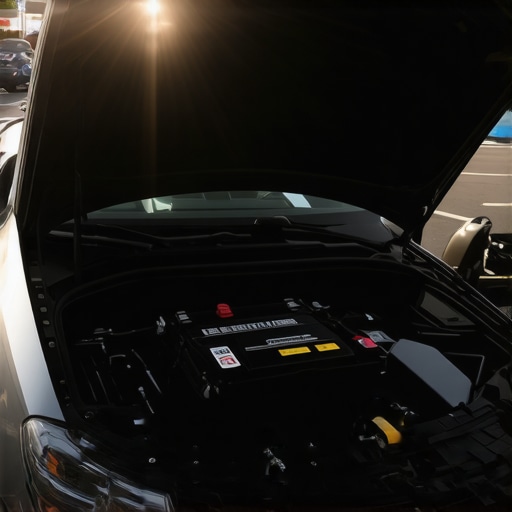
I remember the exact moment I realized my car battery was the culprit behind my daily inconvenience. It was a freezing Monday morning, and as I turned the key, the engine groaned, sluggish and unresponsive. After jumping it twice in a week, I finally felt that sinking suspicion—something was seriously wrong. That light bulb moment made me dig deeper, and believe me, I learned a lot the hard way. Today, I want to share my experience with you—because if your car battery keeps dying every few days, you’re not alone, and there is a solution.
Understanding Why the Battery Keeps Giving Up
A car battery is like the heart of your vehicle’s electrical system. When it fails prematurely—especially if it consistently dies every three days—it screamingly indicates underlying issues. From parasitic drains to faulty alternators, the reasons are varied but often overlooked. Early on, I made the mistake of thinking a new battery would fix everything, but that’s like putting a band-aid on a leaky pipe. The problem persisted because I ignored the root cause.
Think about it: your battery isn’t just about starting the engine. It powers your lights, radio, air conditioning, and even your safety systems. When something drains power unexpectedly or the charging system isn’t working properly, the battery wears out fast. According to a study by AAA, a vehicle with a faulty charging system can reduce the lifespan of your battery by more than a year, which is significant when you consider the costs.
If you’re constantly replacing your battery, it’s essential to investigate other potential culprits. It could be a parasitic draw caused by something left on, like interior lights or aftermarket accessories, or a failing alternator that isn’t charging the battery properly. Sometimes, even corrosion at the terminals can cause poor connections, resulting in rapid battery drain.
Are you frustrated with replacing batteries that seem to die overnight? Have you noticed other electrical issues, like dimming headlights or dashboard warning lights? These signs point to a bigger problem than just a bad battery. If you’re eager to pinpoint the cause and save money in the long run, you’re in the right place. Clicking [here](https://collisionfixer.com/maximize-your-cars-lifespan-with-regular-tune-ups) will guide you on how regular tune-ups can prevent such issues.
In the next section, I’ll walk you through practical steps to diagnose and fix the root causes of your battery woes—so you can get back on the road without anxiety or breakdowns. If you’re unsure where to start or want expert help, don’t hesitate to reach out through [our contact page](https://collisionfixer.com/contact-us). Remember, understanding what’s draining your battery is the first step toward reliable, worry-free driving.
Test Your Battery with a Multimeter
Start by measuring your battery’s voltage using a simple multimeter—connect the red lead to the positive terminal and black to the negative. A healthy, fully charged battery should read around 12.6 volts. During my own experience, I did this after noticing my car struggled to start: the voltage was way below 12.4 volts, confirming a drained battery. If your reading is low, recharge or replace the battery.
Check for Parasitic Drains
Next, you want to find if something is continuously drawing power when the car is off. Turn off all accessories, then disconnect the negative terminal of your battery. Set your multimeter to measure current (amps), connect it in series between the terminal and the cable, and watch the reading. If it exceeds 50 milliamps, something’s pulling too much juice—be it an interior light, an aftermarket alarm, or faulty wiring. I once discovered a trunk light remained on because of a broken switch, which, once fixed, solved my battery drain issues.
Inspect the Alternator Functionality
Tests on your alternator are critical since it charges your battery when the engine runs. Start your engine and measure voltage at the battery terminals; it should read between 13.8 to 14.5 volts if functioning properly. If it’s lower, your alternator may be failing, leading to insufficient charging and rapid battery drain. I used a voltmeter during a routine check and found my alternator’s voltage was sluggish—replacing it restored reliable starts.
Examine Battery Terminals and Cables
Corroded, loose, or damaged terminals can significantly impair connection quality. Remove the battery cables and inspect for greenish corrosion or buildup. Clean the terminals with a mixture of baking soda and water, using a wire brush for stubborn deposits. Ensure the cable clamps fit snugly when reattached. During my repair, cleaning the terminals improved the connection and prevented intermittent power loss in my vehicle.
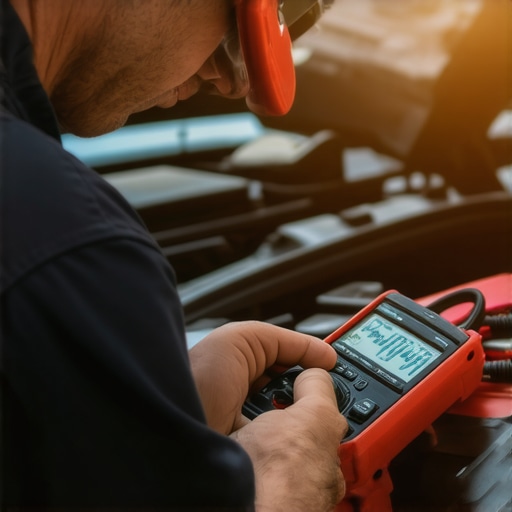
Using a visual guide to identify corrosion and proper cleaning techniques can save you time and frustration in maintaining reliable battery connections.
Schedule Regular Maintenance to Prevent Future Issues
Periodic tune-ups, including checking your electrical system, can catch potential problems early—saving money and avoiding roadside breakdowns. I now schedule routine inspections at least once a year, especially before winter, which has notably increased my vehicle’s reliability. Just visit this link for tips on maximizing your car’s lifespan through regular maintenance.
Many car owners believe that a simple tune-up is a one-and-done fix, but this misconception can lead to costly mistakes. Contrary to popular belief, not all tune-ups are created equal, and understanding the nuances can save you time and money. For example, some think replacing spark plugs is sufficient, but neglecting underlying issues like fuel injector performance or transmission health can cause problems to resurface quickly. In fact, overlooking the importance of comprehensive diagnostics can turn a straightforward repair into a bigger headache, especially with complex systems like your transmission. Advanced markets suggest that focusing solely on surface-level fixes often means missing the bigger picture—leading to recurring breakdowns. This is why a holistic approach, including regular vehicle audits, is essential. Rushing into repairs without analyzing core issues often traps owners in a cycle of constant fixes, costing more in the long run. The key is recognizing that each component, from your transmission to your fuel lines, works in harmony; neglecting one can compromise the whole system. Moreover, many drivers fall prey to illusions of quick fixes promoted by untrustworthy mechanics or DIY tutorials that promise instant results. Studies by automotive experts indicate that improper repairs—like neglecting transmission overhauls when symptoms point to slipping gears—ultimately cause greater damage and expenses. Always question whether the mechanic considers the vehicle’s full health or just parts that are visibly worn. For instance, learning about how transmission overhauls can be cost-effective over time at https://collisionfixer.com/how-transmission-overhauls-save-you-money-in-the-long-run reveals that proper maintenance prolongs lifespan and performance. Beware of common pitfalls: replacing parts without identifying root causes, ignoring subtle warning signs, or delaying essential inspections. These oversights can lead to breakdowns that are harder—and pricier—to fix later. To truly grasp the intricacies, understanding the interaction between your vehicle’s systems is crucial. Regular maintenance, like adhering to the protocols outlined in https://collisionfixer.com/maximize-your-cars-lifespan-with-regular-tune-ups, can help you avoid these traps. Now, let’s highlight a common misconception that trips up many owners: that regular oil changes alone ensure lasting health. While essential, they don’t prevent issues like transmission slippage or engine hesitation. As the saying goes, “An ounce of prevention is worth a pound of cure,” especially with complex systems involved. If you’re considering repairs or just want to be proactive, connect with experts who take a holistic view—like those at Collision Fixer. Their team emphasizes diagnostics that uncover hidden problems before they escalate. Want to ensure your vehicle remains reliable? Reach out at https://collisionfixer.com/contact-us and avoid falling victim to superficial fixes that only mask deeper issues.Maintaining your vehicle’s performance over time requires the right tools and strategies. I personally recommend investing in a high-quality digital multimeter, like the Fluke 115, because its precision allows me to diagnose electrical issues such as parasitic drains and alternator problems accurately. Additionally, a Bluetooth-enabled OBD-II scanner—such as the BlueDriver—connects effortlessly to my smartphone, giving real-time data and helping me keep an eye on transmission health and sensor readings. These tools have become invaluable in catching minor problems before they escalate, saving me both time and money. Regularly updating your diagnostic software is just as important, as newer vehicle models come with complex electronic systems that require the latest firmware insights. I’ve found that subscribing to manufacturer-specific updates from trusted providers ensures you’re always equipped with accurate data, making troubleshooting more straightforward. Looking ahead, the trend points toward integrating these diagnostic tools with AI-powered apps, providing predictive insights into potential failures before symptoms appear. This proactive approach is transforming car maintenance from reactive repairs to preventative strategies. To keep your vehicle running smoothly for years to come, I urge you to try using a diagnostic scanner regularly, especially before long trips or major seasonal changes. It’s a simple step that can prevent costly breakdowns and extend the lifespan of critical components like your transmission. For comprehensive maintenance guidance, visit our dedicated maintenance resources or contact us directly—our team is ready to help you optimize your vehicle’s longevity. Remember, consistent use of precise tools combined with informed practices is the key to ‘Keeping it working’ effortlessly.
After navigating the frustration of repeated battery failures, I uncovered truths that transformed my approach to vehicle maintenance. These insights go beyond standard advice, offering you an insider’s perspective that can save you money and prevent breakdowns. Let me share some of the hardest lessons I learned and how they can empower you on your auto care journey.
The Surprising Power of Proactive Checks
- Waiting until your car won’t start is a costly mistake. Regularly testing your battery and electrical system with trusted tools like the diagnostic scanners can catch issues early. I began doing simple voltage checks, which alerted me to battery health long before the engine struggled.
- Often, hidden parasitic drains drain your battery overnight. Finding and fixing these drains—like a switch left on or a malfunctioning sensor—can extend your battery’s lifespan significantly. This discovery was a game-changer for me, saving hundreds annually in replacements.
The Hidden Role of Your Vehicle’s Heartbeat
- Your alternator’s health is more crucial than most drivers realize. Even a slight failure can wear out your battery faster. Testing alternator output, especially after noticing dimming lights or slow cranking, revealed these silent killers. Learning to measure the charging voltage with basic tools, like a multimeter, unlocked this secret weapon against premature battery death.
- Terminal corrosion is more than just a minor nuisance. It impairs connection efficiency and accelerates battery wear. Cleaning and maintaining your connections with simple supplies ensures reliable starts and electrical performance. This small step already made a huge difference in my vehicle’s reliability.
Why I Stopped Playing the Guessing Game
- Relying solely on replacing batteries was a costly misconception. Identifying root causes such as faulty wiring or failing components saved me from repeated expenses. Engaging with professionals who perform comprehensive diagnostics, like those through experienced auto repair services, provided clarity and peace of mind.
- Understanding the vehicle’s electrical ecosystem shifted my mindset from reactive to preventative. Scheduling regular maintenance and inspections became my strategy to future-proof my car—saving me time, stress, and money in the long run.
Harnessing the Power of Better Tools and Knowledge
- Investing in quality diagnostic tools, such as a reliable multimeter or Bluetooth-enabled scanner, elevated my maintenance routine. These tools are affordable investments that provide real-time insights and help me catch issues early. I recommend exploring trusted brands and maintaining software updates to stay ahead of complexity in modern vehicles.
- Education is paramount. Reading trusted resources and learning from real-world experiences have been invaluable. For example, understanding how to interpret the signs of a failing alternator or a parasitic drain can prevent you from being stranded. Continuous learning ensures you become your own best mechanic, capable of making informed decisions.
Taking control of your vehicle’s health is empowering. The lessons I learned about my car’s battery taught me patience, diligence, and the importance of regular checks. Whether you’re a seasoned car owner or just starting, embracing a proactive mindset will serve you well.
Ready to Take Charge of Your Car’s Life?
Remember, understanding the true health of your vehicle—especially the battery—is worth the effort. With the right approach and tools, you can prevent unexpected failures and enjoy peace of mind on every trip. If you’re ready to go beyond basic maintenance and truly master your auto care, don’t hesitate to reach out to experts who can guide you through the process.
What has been your biggest challenge in keeping your car’s electrical system healthy? Share your experiences below—I’d love to hear your stories and tips!