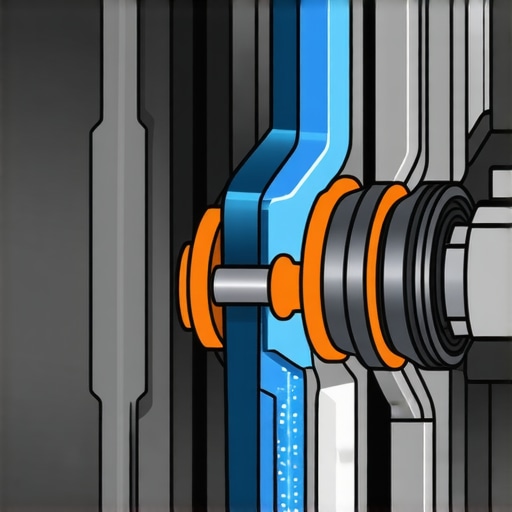
Have you ever stepped on your brake pedal and felt that unsettling sponge-like softness, a sensation that just doesn’t sit right? I remember the first time mine went from firm and reassuring to PLOP—like pressing into a marshmallow—that lightbulb moment hit me hard. I was in the middle of a routine drive, expecting the usual responsive feel, only to be met with a vague, untrustworthy pedal that made me nervous every time I approached a stop. That unfamiliar squishiness wasn’t just annoying; it was downright dangerous.
Why Your Brake Pedal Feels Like That—And Why You Should Care
That peculiar sponginess might seem minor at first glance, but it’s often a sneaky sign of underlying issues lurking in your braking system. When I first noticed it, I brushed it off as air in the lines or a simple bleed needed. But as it worsened, I realized I was risking my safety—and my wallet—by ignoring it. The truth is, a soft or spongy brake pedal can be caused by several hidden problems, including deteriorating brake fluid, air leaks, or master cylinder issues. If left unchecked, these can lead to brake failure, which is every driver’s nightmare.
Personally, I learned this the hard way. I had made the common mistake early on of assuming it was just a minor flush needed, never considering more serious causes. That false assumption almost led me into a dangerous situation. It’s a mistake I hope you won’t make. Instead, let’s demystify this problem and identify how to fix it before it escalates.
Is Fixing a Spongy Brake Pedal Actually Worth the Hype?
Many folks worry that diagnosing and repairing brake issues are costly or complicated. I get it. When I started my own investigation, I feared I’d be staring down a rehaul or a hefty bill. But the truth is, many fixes are straightforward and affordable, especially if caught early. It’s just about knowing what to look for and acting promptly. For example, faulty brake fluid is a common culprit and can be replaced with a simple flush, boosting your brakes’ performance and safety.
Early on, I also made the mistake of neglecting routine maintenance, like forgetting to check my brake fluid levels regularly. Skipping that simple step can lead to air bubbles and moisture buildup in the system, which compounds the problem. For comprehensive insights on how to spot signs that your car needs expert repairs, I recommend checking out this guide on [top signs your car needs expert auto repair now](https://collisionfixer.com/top-signs-your-car-needs-expert-auto-repair-now). Addressing a spongy brake pedal doesn’t have to be intimidating, but taking action is crucial.
Now, let’s roll up our sleeves. We’ll explore the practical steps to diagnose and fix that pesky soft brake pedal, ensuring your safety and peace of mind every time you hit the brakes. Ready? Let’s get into it.
Start with Visual Inspection and Fluid Check
Pull over safely and open your hood to examine the brake fluid reservoir. If you notice the fluid level is low or the fluid appears dark or contaminated—like greasy coffee—it’s time for a fluid flush. I once found my brake fluid almost black, which caused that annoying spongy feel. Replacing it with fresh fluid significantly improved pedal firmness. Regularly checking your brake fluid, especially before long trips, can prevent this issue and is a simple step to maximize your car’s lifespan.
Bleed the Brake Lines to Remove Air Bubbles
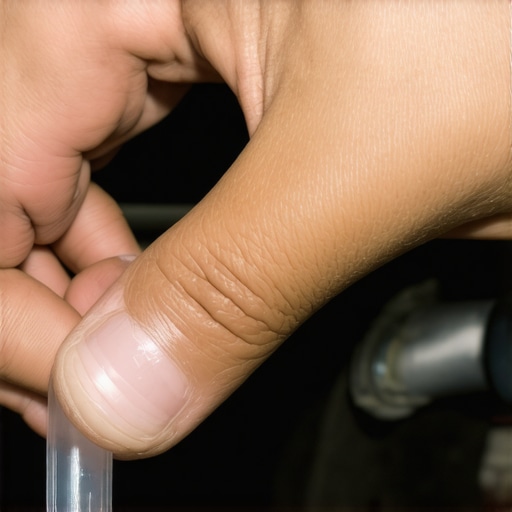
Air in the brake lines is a common culprit for spongy pedals. To fix this, locate the brake bleeder screw on each wheel, and with a friend helping, or using a one-man bleeding kit, open the screw slightly while gently pressing the brake pedal. As you do this, the trapped air escapes. Repeat until the pedal feels firm. I once borrowed a transparent tubing and an old jar to catch old fluid—being hands-on like this made me confident in my work. Proper bleeding ensures you restore hydraulic pressure, giving a responsive pedal feel. For detailed steps, visit this guide on bleeding your brakes.When it comes to vehicle maintenances like tune-ups or repairs, many car owners rely on generic advice that might do more harm than good. For example, a widespread misconception is that replacing the spark plugs alone will resolve all performance issues. In reality, a comprehensive tune-up includes inspecting and potentially replacing multiple components, such as filters, ignition wires, and the fuel system, to truly optimize engine health. Relying solely on the ‘plug-and-play’ approach can lead to missed underlying problems, causing your vehicle to underperform or even break down unexpectedly.
Many believe that all auto repair shops are equal, but this couldn’t be further from the truth. Choosing a service provider without understanding their expertise can result in subpar work or unnecessary repairs. Remember, not every mechanic has the same level of experience with complex systems like transmissions or advanced diagnostics. For instance, an improper transmission overhaul not only costs more but can also accelerate wear if not performed correctly—something experienced shops like CollisionFixer master.
A common trap automotive owners fall into is delaying transmission or significant engine repairs, thinking they’re minor issues. Studies show that progressive neglect can lead to costly overhauls or total breakdowns later. Regularly scheduled maintenance as outlined in your owner’s manual, combined with expert inspections, can prevent such scenarios. To stay ahead of potential problems, consider reading about the importance of routine service at https://collisionfixer.com/maximize-your-cars-lifespan-with-regular-tune-ups.
What many don’t realize is that the nuances of modern vehicles demand advanced diagnostic tools and specific knowledge—something basic code readers can’t provide. Misdiagnosing issues can lead to replacing parts that aren’t faulty, wasting time and money, or worse, leaving genuine problems unaddressed. For example, understanding how transmission diagnostics differ from engine checks can make the difference on whether your vehicle runs smoothly or stalls unexpectedly. If you’re facing persistent issues, get expert insight rather than settling for quick fixes.
Finally, avoid the trap of believing that DIY repairs are always cost-effective. While minor tasks like car battery testing or fixing a torn leather seat are doable, complex repairs require professional skills and specialized equipment. Not doing so can lead to safety hazards, especially with critical systems like brakes or transmissions. For more insights into why trusting a qualified expert is vital, visit https://collisionfixer.com/why-your-car-needs-expert-auto-repair-now.
Have you ever fallen into this trap? Let me know in the comments! Mastering the nuances of auto repair means understanding that quality work, proper diagnostics, and experienced mechanics are investments in your safety and vehicle longevity.Maintaining your vehicle effectively requires not only knowledge but also the right tools and consistent methods. I personally swear by a few specialized items that have transformed my approach to auto repair and long-term upkeep. For example, a high-quality obd2 scanner like the BlueDriver has become invaluable for diagnosing issues early. Unlike generic code readers, it provides comprehensive data, including live sensor readings, which helps me pinpoint problems with systems like sensors that affect engine performance or transmission shifts. Using this scanner regularly, especially when symptoms are subtle, has saved me from costly repairs down the line. Additionally, I incorporate a mechanic’s stethoscope into my toolkit; it allows me to listen carefully to components such as vacuum leaks or failing bearings, identifying issues before they escalate. I also always keep a quality synthetic brake fluid and a good set of brake bleeding kits, ensuring hydraulic systems stay pure and responsive over time. Looking ahead, integration of advanced diagnostics via software enhancements will become increasingly prevalent, simplifying the maintenance process even for DIY enthusiasts. To keep your car running smoothly, regularly use diagnostic tools like these to catch issues early—your vehicle will thank you for it. Ever wondered how to extend your brake fluid’s lifespan? Regularly flushing with quality synthetic fluid, especially before seasons with heavy driving, can prevent spongy brakes and maintain performance. If you’re interested in expert tips, check out https://collisionfixer.com/maximize-your-cars-lifespan-with-regular-tune-ups. Want to improve your troubleshooting skills? Try using a mechanic’s stethoscope to listen for unusual noises—it’s a surprisingly effective diagnostic method that I recommend every car owner master. For more insights on simplifying your auto maintenance routine, visit https://collisionfixer.com/essential-car-service-tips-for-safe-summer-drives.
The Hardest Lesson I Learned About Brake Fixes and What Seamlessly Works
One of my biggest surprises was realizing that ignoring minor brake squeals or soft pedals can lead to major, costly issues down the line. Now, I make it a point to address even small signs early, saving me time and money—and most importantly, keeping my family safe.
Switching to high-quality brake fluid was a game changer. It’s easy to overlook, but regularly flushing and replacing it dramatically improves pedal response and reduces the risk of brake failure.
Taking the time to learn proper bleeding techniques paid off. After watching a detailed tutorial, I felt confident handling minor line air issues myself, which keeps my brakes responsive and trustworthy without instantly needing a mechanic.
Before I dive into repairs or maintenance, I now trust my instincts and check for clues—like unusual smells or noises—so I can act before a problem grows. That proactive mindset has truly extended my vehicle’s lifespan and kept my drive safe.
Gear I Swear By for Brake Care and Repairs
My top toolkit includes a qualityOBD2 scanner, like BlueDriver, which helps identify underlying issues before they become critical. It’s been invaluable for early detection and understanding what my car truly needs.
The brake bleeding kit I use is simple yet effective, allowing me to clear air from lines without unnecessary trips to the shop. Also, I trust reputable brands of synthetic brake fluid—using the right type preserves the system’s integrity and performance.
Lastly, I keep a detailed service journal and set reminders for routine checks—this habit has saved me from surprises and costly repairs. For comprehensive guidance on routine maintenance, I recommend exploring this helpful resource on maximizing your car’s lifespan.
Step Into Safer, Smarter Driving Today
Recognizing and addressing brake problems early isn’t just about saving money; it’s about ensuring your safety and confidence behind the wheel. The more informed and prepared you are, the better your vehicle will serve you over time. Don’t wait for a warning light or strange feeling—act now and enjoy peace of mind every time you press the pedal.
What’s the latest brake issue you’ve faced? Share your story below—I’d love to hear how you tackled it!