Ever been halfway through a drive, only to suddenly feel a vague squeal or a soft pedal? That moment of uncertainty, wondering if your brakes are about to fail — it’s enough to turn your stomach. I’ve been there, frantically looking for an easy fix, and let me tell you: the last thing I wanted was to crawl under my car or remove the wheels every time I suspected something was wrong. Honestly, that felt intimidating and risky, especially if you don’t have the right tools or experience.
One day, I had a lightbulb moment. There’s a way to *check* your brake pads quickly and reliably, without jacking up your vehicle or risking a roadside breakdown. Today, I want to share that simple trick, so you can stay ahead of brake trouble and keep your driving safe.
Why You Should Never Ignore the Signs of Worn Brake Pads
Your brakes are one of the most critical safety features of your car, yet they tend to be the most overlooked until something goes wrong. Worn brake pads can compromise stopping distance, cause uneven wear, and eventually lead to costly repairs. According to the National Highway Traffic Safety Administration, brake failure contributes to thousands of accidents each year—and most of these accidents could have been prevented with regular maintenance.
The problem is, inspecting your brake pads typically involves removing the wheels — a task that’s not always practical or safe to perform on your own, especially if you’re unsure of what to look for. That’s why knowing a quick, non-invasive way to assess brake health is a game-changer.
Have you ever felt unsure about whether your brakes need professional attention but hesitated to take the car in? You’re not alone. Early on, I made the mistake of waiting too long, thinking I needed to take my car to a shop every time I heard a noise. Trust me, small issues can quickly turn into big expenses if ignored.
In the following sections, I’ll guide you through a simple method to check your brake pads safely and accurately—no special tools required. It’s a straightforward trick that puts you in control, saves you time, and potentially saves your wallet. Ready to make your brakes a little less mysterious? Let’s dive into the steps. And if you’ve ever faced this problem and wished for an easier way, just know—you’re not alone. Many car owners overlook this quick check, but I’ve found that doing so can have serious consequences. To ensure your vehicle stays safe, regularly inspecting your brake pads should be part of your maintenance routine. Want to learn more about maintaining your car’s overall health? Check out our tips on maximizing your car’s lifespan with regular tune-ups or discover essential car service strategies for safe summer drives.
Prepare for the Test
Park your vehicle on a flat surface, engage the parking brake, and turn off the engine. Get a flashlight and a cloth or gloves if desired. This setup ensures safety and clear visibility of brake components.
Locate the Brake Caliper and Rotor
Remove the wheel closest to the suspected issue if possible, or observe through the wheel spokes. The brake assembly consists of the rotor (large disc) and caliper (clamp-like part). Think of the rotor as a spinning record and the caliper as the hand pressing the needle—understanding this analogy helps in visualizing their roles.
Inspect Brake Pad Thickness
Look through the gaps in the caliper; your goal is to see the brake pads covering the rotor’s surface. A healthy pad should have at least 1/4 inch (6mm) of friction material. If it looks significantly thinner or you see shiny metal or grooves, it’s time to consider replacing or servicing the pads.
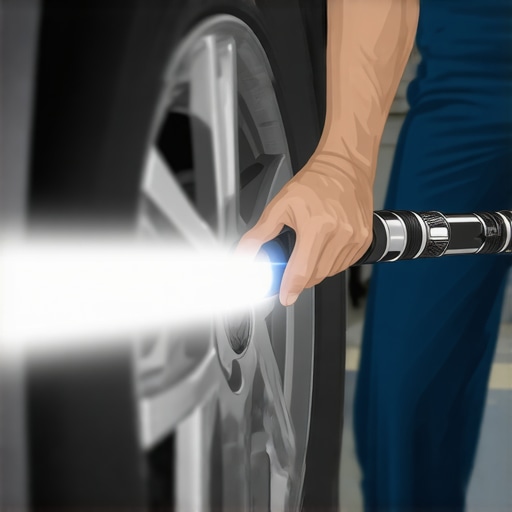
Basic Tip: Use a Flashlight
Shine the flashlight at different angles to highlight the pad edges. If the pads are nearly flush with the caliper’s bracket or the rotor’s surface, your brake pads are worn out. Remember, pads measuring less than 3mm are overdue for replacement. I once checked my pads with just a flashlight and a mirror—surprisingly, I caught the wear early, saving me from a pricey repair later.
Estimate Brake Pad Wear with a Twist
If the pads are thin but the metal backing plate is close to the rotor, consult a professional sooner. Thin pads and exposed metal can lead to rotor damage or even brake failure. At this stage, it’s wise to contact our experts for a thorough inspection.
Further Observations
Listen for unusual sounds during braking or when applying the pedal—these can hint at uneven wear or caliper issues. Feel the pedal for softness or pulsing; these symptoms require professional diagnosis, like a car repair expert’s touch.
When to Seek Professional Help
If you notice uneven pad wear, uneven rotor surface, or cannot see the pads clearly, avoid guessing. Err on the side of caution: schedule a brake inspection. Remember, routine maintenance can prevent many of these issues from escalating.
Many car owners come into the world of automotive care with certain beliefs that, while widespread, are often misconceptions. For example, a common myth is that all auto repairs are costly and require a specialist to handle minor issues. In reality, understanding the nuances of your vehicle’s maintenance, like regular tune-ups from reputable shops, can drastically reduce unexpected expenses and prolong your car’s lifespan. Additionally, many believe that transmission problems are always indicative of needing a complete overhaul. However, in many cases, early diagnostic checks and targeted repairs can save significant money, as detailed in expert analyses available at Collision Fixer.
Another frequent error is assuming that all mechanic shops deliver the same level of service. This misconception can lead to mistrust or unnecessary repairs. It’s important to research and choose a reputable service provider, such as Collision Fixer, that emphasizes transparency and expert diagnostics. This approach is especially crucial considering studies showing that proper maintenance can prevent up to 70% of major repairs.
What most people overlook is the importance of catching issues early before they escalate. For instance, a minor transmission shudder or a slight engine surge can be signs of deeper problems that, if ignored, may lead to costly overhauls. Regular inspections, even if the car seems fine, are key to maintaining optimal performance.
Have you ever fallen into this trap? Let me know in the comments.
When it comes to false assumptions about auto repair, a significant pitfall is neglecting the importance of using high-quality fluids and parts. Cheap, aftermarket components might save money upfront but can compromise safety and longevity, especially in critical systems like brakes and transmissions. As highlighted in various expert reviews, opting for OEM parts or highly-rated equivalents ensures better reliability.
In terms of advanced maintenance, many believe that once a vehicle passes a certain age or mileage, repairs become futile. But recent research indicates that comprehensive tune-ups and regular diagnostics can extend a car’s service life well beyond typical expectations, provided they are performed thoughtfully and correctly. This is why a proactive approach—regularly scheduling checkups and understanding the signs your car needs expert attention—is essential.
Lastly, be wary of the all-too-common mistake of ignoring warning lights or abnormal noises, believing they will resolve themselves. Often, these signals are early indicators of issues that, if addressed promptly through expert diagnostics, can save you from costly repairs like transmission replacements or engine rebuilds. More detailed insights are available at Collision Fixer’s dedicated guides.
Remember, the key to avoiding costly auto repairs is knowledge combined with regular, professional maintenance. For personalized advice or to schedule a diagnostic, don’t hesitate to reach out to Collision Fixer through their contact page. Proper care today can prevent major headaches tomorrow.Maintaining your vehicle’s performance requires the right equipment and a methodical approach. Over the years, I’ve found that investing in quality tools like a reliable digital multimeter, a cordless impact wrench, and a good set of jack stands makes all the difference when performing minor repairs or routine inspections. For example, I use a Fluke digital multimeter to check the battery’s health and to troubleshoot electrical issues; its precision and durability have saved me countless trips to the mechanic. Additionally, a torque wrench ensures that bolts on critical components—like the transmission or suspension—are tightened to manufacturer specifications, preventing long-term damage. For oil changes or filter replacements, I prefer a set of high-quality hand tools that provide grip and control, reducing the risk of stripping threads or damaging parts.
When it comes to software, I rely on diagnostic apps such as BlueDriver or FIXD, which connect to your vehicle’s OBD-II port via Bluetooth. These tools enable you to read and clear error codes, monitor real-time sensor data, and predict upcoming maintenance needs. They are invaluable for early detection of issues, especially with complex systems like transmissions or engine controls. For example, early signs of transmission trouble—like shifting delays or hunting for gears—can be caught through consistent monitoring, allowing for timely professional intervention, which the experts at Collision Fixer often recommend to prevent costly repairs.
Looking ahead, the trend in automotive maintenance is moving toward smarter diagnostic tools and remote monitoring systems, integrating IoT technology to track vehicle health continuously. This evolution will make proactive maintenance accessible to everyday drivers, extending vehicle lifespan and enhancing safety.
So, how do I maintain my car’s complex systems over time? Besides using top-tier tools, I schedule regular tune-ups and follow manufacturer guidelines to keep everything in check. Regular inspections of transmission fluid levels and quality, for instance, are critical. Checking the fluid’s condition—using a simple dipstick test or an electronic device—can reveal whether a transmission overhaul is imminent or if a simple fluid change suffices. For comprehensive tips on extending your car’s lifespan, visit our dedicated page on maximizing your vehicle’s performance with routine maintenance.
One advanced tip I highly recommend is periodically using a diagnostic scanner to monitor sensor data related to transmission and engine performance. This proactive approach helps catch issues early, often before symptoms become obvious. If you’d like to try this yourself, I suggest investing in a reputable device like the BlueDriver, which has a proven track record among DIY enthusiasts and professionals alike. Remember, maintaining your vehicle isn’t just about fixing problems as they arise but about a proactive strategy that keeps your car running smoothly for years to come.Throughout my years of maintaining vehicles, I’ve learned that the most valuable insights often come from unexpected sources. One of the biggest lessons I uncovered was that trusting my instincts and understanding the nuances of my car’s behavior can prevent costly repairs down the road. For instance, I once ignored a faint squeal during braking, dismissing it as nothing. That small sound turned into a major rotor issue, which could have been avoided with a simple early check. Patience and awareness are your best allies when it comes to vehicle care. Additionally, I realized the importance of not just reacting to problems but proactively learning about your car’s systems. It’s empowering to recognize subtle signs—like a softer pedal feel or slight vibration—and address them before they escalate. Lastly, I’ve come to appreciate that genuine auto care isn’t just about quick fixes; it’s about building a relationship with knowledgeable professionals who prioritize transparency and quality. Consistent, informed maintenance transforms the daunting task of car ownership into a confident, hands-on experience, helping you stay safe on every journey.