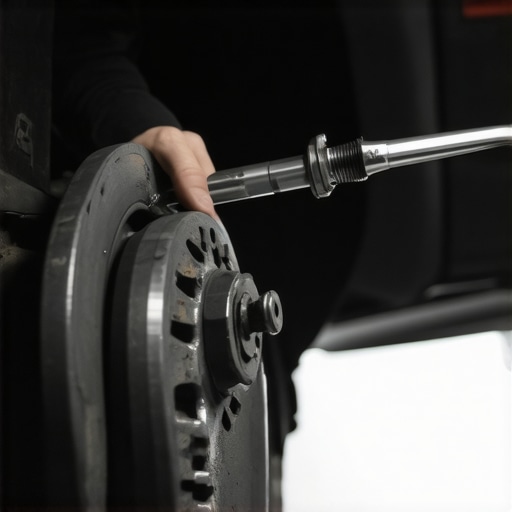
Ever been in a rush, pressed the brake pedal, and suddenly heard that awful grinding sound? Yeah, I’ve been there too. One morning, as I hurriedly left for work, I slammed on the brakes—only for my car to scream at me in protest. Not only was it embarrassing, but that nerve-wracking noise had me digging into my wallet more times than I’d like to admit. Turns out, that grinding isn’t just an annoyance; it’s a warning sign that your brake system needs attention. But here’s the kicker: you don’t always need to schedule a costly service or wait for a mechanic to fix it. I discovered a simple, effective trick—just five minutes, and I was back on the road without that dreadful sound, feeling confident again.
The Secret to Quiet, Smooth Brakes in Less Time Than You Think
If your brakes are squealing, grinding, or just not stopping as smoothly as they used to, you’re not alone. Many drivers experience this issue at some point, and it’s often a sign that your brake pads or rotors are wearing out or that dirt and debris have built up in your brake system. The good news? There’s a quick fix that can alleviate much of this noise and restore the feel of your braking. I’ll walk you through a straightforward technique I’ve tried myself, which has saved me dozens of trips to the mechanic—and money too.
Is Fixing Brake Noise Actually Worth the Hype?
This was my biggest skepticism initially. I thought, “Sure, car folks always say there’s a quick fix, but isn’t brake work always complicated?” It turns out, I’d made a common mistake early on—ignoring minor noises until they became big problems. According to an insightful report from Collision Fixer, early attention can prevent costly repairs down the line, like replacing warped rotors or damaged calipers. So, yes, taking a few minutes to address minor noise is absolutely worth it—saving you both money and stress.
Prepare Your Workspace and Gather Tools
Start by parking your car on a flat surface, engaging the parking brake, and gathering essentials like safety gloves, a jack, jack stands, and a socket wrench. I remember the time I attempted to fix my brakes without proper gloves and almost cut my finger—definitely not recommended. Ensuring safety and preparation makes the process smoother and avoids accidents.
Remove the Wheel to Access Brake Components
Loosen the lug nuts slightly while the car is on the ground. Then, use the jack to lift the vehicle and secure it with jack stands. Remove the lug nuts completely and take off the wheel, exposing the brake rotor and pads. This step is straightforward but crucial—think of it as peeling back the layers of an onion to get to the core problem.
Inspect Brake Pads and Rotors for Wear and Debris
Visually examine the brake pads for thinning or uneven wear. Check for any cracks or glazing. Look at the rotor surface; if it’s rough or covered in dust or rust, cleaning or replacing might be necessary. I once found tiny stones lodged between the pad and rotor, causing a grinding noise—removing them instantly solved the issue.
Clean with Brake Cleaner and a Brush
Spray brake cleaner generously onto the rotor and pads. Use a wire brush to scrub away dirt, grease, and rust. Be cautious not to breathe in the dust—wear a mask if needed. This cleaning can dramatically reduce noise if dirt was causing the squeal.
Resurface or Replace Worn Parts
If the pads are thin or the rotor surface is uneven, consider resurfacing or replacing them. For minor issues, using a brake lathe can smooth out the rotor surface—think of it like getting a manicure for your brake system. If parts are deeply worn or cracked, replacing them guarantees safety and performance, saving you money in the long run.
Apply Brake Grease to Contact Points
Use high-temperature brake grease to lubricate the back of the brake pads and the caliper slides. This prevents squealing caused by vibrations. I once overlooked this step and continued hearing annoying squeaks—applying grease instantly quieted the brakes and made me feel more confident behind the wheel.
Reassemble, Test Drive, and Monitor
Put everything back together in reverse order. Tighten lug nuts securely. Lower the car carefully and torque the wheels to manufacturer specifications. Test drive gently, applying brakes progressively to ensure the noise is gone. Stop at a safe spot, and listen for any unusual sounds. A quick test like this is vital—it’s like a doctor checking post-treatment to confirm everything’s okay.
When it comes to vehicle maintenance, many drivers operate under common myths that can lead to costly mistakes. One prevalent misconception is that transmission problems appear suddenly, warranting immediate overhaul. In reality, many transmission issues develop gradually, often caused by overlooked signs such as slipping gears or delayed engagement, which can be mitigated with early detection and proper fluid maintenance. Relying solely on the idea that a full overhaul is inevitable can cause unnecessary anxiety and expense, when a targeted repair or fluid change might suffice. Additionally, many assume that every noise or rough shifting indicates a need for a complete transmission replacement, but expert analysis reveals that minor sensor failures or contaminated fluid are often to blame, which can be fixed with specific fixes like those outlined in our article on transmission overhauls. Mistaking old or burnt transmission fluid for harmless is another trap; a study published by the National Institute for Automotive Service Excellence emphasizes that regular fluid changes are critical in prolonging transmission life and avoiding costly repairs.
Advanced Drivers Know When to Trust the Signal or the Service
Professional mechanics recommend paying close attention to the subtle cues your vehicle gives, such as unusual noises, dashboard warning lights, or sluggish response, and cross-referencing with reputable diagnostic tools or expert opinions. Skipping regular inspections or postponing a tune-up can result in compounded damages, especially with complex systems like the transmission. Proper, timely service not only extends your vehicle’s lifespan but also prevents the chaos of sudden breakdowns. For instance, routine check-ups and fluid flushes as suggested by Collision Fixer can catch issues early, saving money in the long run. Don’t fall prey to the myth that auto repairs are always expensive or complicated—there are strategic preventative measures you can take. Want to learn more about how routine maintenance preserves your car’s value? Explore our guide on maximizing your car’s lifespan with regular tune-ups. Remember, being proactive is the key to avoiding unnecessary expenses and ensuring safety on the road. Have you ever fallen into this trap? Let me know in the comments.
Investing in the Right Equipment Can Extend Your Vehicle’s Life
Maintaining your car’s transmission, brakes, and overall performance requires more than just instinct; it demands the right tools and knowledge. I personally rely on a high-quality digital multimeter for electrical diagnostics—it’s essential for detecting issues like faulty sensors or wiring problems that could lead to costly repairs if ignored. For more complex diagnostic tasks, I use an OBD-II scanner such as the BlueDriver; it provides detailed engine codes and real-time data, enabling me to catch potential transmission or engine issues early before they escalate. Additionally, a dedicated brake caliper piston tool helps me service brake components efficiently, especially when replacing pads or rotors, ensuring quiet, reliable stopping power.
Beyond hardware, I also recommend software solutions for routine monitoring. Apps like Torque Pro connect to your vehicle’s OBD-II port, giving insights into sensor data, fluid temperatures, and more—making preventive maintenance easier. Regularly updating your vehicle’s firmware, especially if your car supports over-the-air updates, can preempt compatibility issues and enhance diagnostics accuracy. In the future, vehicle diagnostics will become increasingly integrated with smartphone technology, making upkeep more accessible to DIY enthusiasts and professionals alike.
How do I maintain my transmission system over time?
One of the most overlooked aspects of long-term vehicle health is transmission maintenance. Regular fluid changes, as advocated by experts, can prevent buildup of varnish and debris that impair shifting and cause wear. Additionally, inspecting transmission cooler lines for leaks or blockages—the hidden culprits behind overheating—can save you from expensive repairs down the line. Checking the condition of seals and gaskets periodically ensures no fluid leaks develop, which could lead to transmission failure. To make your maintenance routine more effective, I suggest setting reminders for fluid replacement based on your vehicle’s usage and manufacturer recommendations—this proactive approach minimizes costly breakdowns and keeps your transmission shifting smoothly for years.
The Hardest Lesson I Learned About Auto Repair and Transmission Care
One of the most eye-opening realizations I had was that many issues I thought required expensive repairs were often fixable with simple, timely maintenance. Ignoring small signs like minor grinding noises led to bigger problems down the line, reinforcing the importance of addressing issues early. Trusting expert advice from seasoned mechanics and reliable resources, such as Collision Fixer, helped me avoid unnecessary overhauls and save money. I also learned that investing in quality diagnostic tools and routine checks can make a significant difference in vehicle longevity and safety.
Your Guide to Building an Auto Recovery Arsenal
My essential toolkit includes a high-quality OBD-II scanner, a digital multimeter, and specialized tools like brake caliper piston expanders. These tools give me the confidence to diagnose and address issues promptly, often without needing a mechanic. The trusted resources I rely on include Collision Fixer’s comprehensive guides on transmission and brake maintenance, as well as expert-driven articles on preventive care. Combining these tools and knowledge allows me to keep my vehicle in top shape and avoid costly surprises.
Drive Confidently, Don’t Wait for the Next Breakdown
Taking control of your car’s maintenance journey is empowering. Regular inspections, early troubleshooting, and proper care can extend your vehicle’s life and keep you safe on the road. Remember, understanding the signs your transmission or brakes give us before they turn into emergencies is crucial. If you’ve ever hesitated to perform DIY fixes or felt overwhelmed, start small—every proactive step counts. Your car, and your wallet, will thank you for it. Ready to take your auto care into your own hands? Share your experiences or questions below!