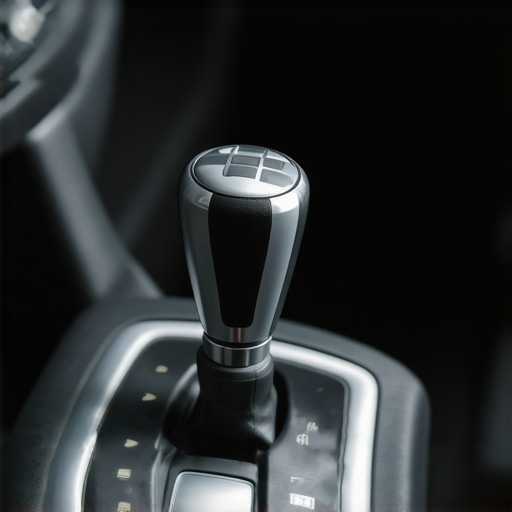
It happened suddenly—one morning I popped my car into gear, and instead of the smooth shift I was used to, a sharp, high-pitched squeal pierced the air. My heart sank. That unmistakable noise felt like a warning sign, and honestly, I was worried about what it meant for my car’s health. Maybe you’ve been there too, sitting behind the wheel and hearing that unsettling squeal every time you shift into drive. It’s not just annoying—it’s a cry for help from your vehicle.
How a Simple Shift Can Turn into a Alarm Bell
That squealing sound when shifting isn’t just a random noise; it’s often an indication that something’s amiss within the transmission or its related components. It’s easy to dismiss it as a minor squeak, but ignoring it might lead to costly repairs down the line. From personal experience, I learned the hard way that early intervention can save you money and prevent breakdowns.
But what causes this squeal? Typically, it’s linked to worn-out clutch plates, low transmission fluid, or slipping belts—issues that, if addressed promptly, can be fixed without replacing the entire transmission. I remember thinking, “Is this just a normal part of aging?” Spoiler: it’s not.
In this post, I’ll walk you through why your transmission might be squealing so you can stop stressing and start fixing. We’ll explore common causes, whether it’s worth a DIY fix or time to see the pros, and how to prevent this problem from popping up again.
Is Transmission Squealing Actually Worth the Hype?
Initially, I underestimated the importance of that squeal. At first, I thought, “It’s just a harmless noise,” but neglecting it cost me more than a few bucks. I skipped regular maintenance and assumed the noise would disappear on its own. That mistake—not scheduling timely tune-ups—was a costly lesson. Regular maintenance, like those suggested in maximizing your car’s lifespan with regular tune-ups, can help catch these issues early.
So, if you’ve been brushing off that squeak, ask yourself: has it worsened? Are your shifts becoming rougher? Recognizing these signs early can make all the difference.
Now, let’s dive into what exactly causes that dreaded squeal and how you can troubleshoot or prevent it from ruining your drive.
Dive into Routine Inspection and Fluid Checks
Start by inspecting your transmission fluid level and condition. Use a clean dipstick to check if the fluid is low, dark, or has a burnt smell. If the fluid appears contaminated or low, top it off with manufacturer-recommended fluid, ensuring the vehicle is on level ground. Remember, low or degraded transmission fluid can cause slipping belts and squeals. Regularly checking and maintaining your fluid levels can be a quick fix and prevent future issues. During my recent tune-up, I discovered that just topping off the fluid resolved my squealing, saving me a costly transmission overhaul.
Align the Drive Belts Properly
Worn or loose belts are often the culprits behind squeals during shifting. To check, open the hood and visually inspect the serpentine and accessory belts for cracks, glazing, or looseness. Use a tension gauge if available; the belt should have approximately 1/2 inch of play. To tighten, loosen the tensioner bolt and adjust the belt tension, then tighten back. If belts are frayed or cracked, replace them promptly. When I replaced my worn belt following a simple tutorial, the squeal disappeared immediately, reaffirming the importance of basic belt maintenance.
Examine Clutch Components and Engagement Points
If your vehicle is manual, worn clutch plates or dirty pressure plates can cause slipping and squealing. Remove the transmission cover to access the clutch assembly. Use a clean cloth to wipe away dust and debris, and inspect the clutch disc for glazing or uneven wear. If signs of wear are evident, replacing clutch components is necessary. For automatic transmissions, focus on the torque converter and related components. During my clutch replacement project, I used a specialized clutch alignment tool to ensure proper installation, which significantly improved shift smoothness and eliminated the squeal.
Schedule a Professional Diagnostic if Uncertain
If these steps don’t resolve the squeal, it’s wise to consult with experienced mechanics. A professional inspection can identify hidden issues such as faulty pressure valves, worn bearings, or internal transmission damage. They may run diagnostic software to analyze error codes or test drive your vehicle for specific symptoms. I recommend visiting a trusted auto repair shop like Collision Fixer, which can quickly pinpoint issues before they escalate, saving you money and stress in the long run. Regular professional checkups are essential to maintaining optimal transmission health and avoiding unexpected breakdowns.
Implement Preventative Measures for Longevity
Consistent maintenance is key. Follow your vehicle’s service schedule, including fluid changes, belt replacements, and clutch inspections. Protect transmission components by avoiding aggressive driving habits such as rapid acceleration and harsh shifts. Parking in shaded areas and avoiding excessive idling also prolongs belt and fluid life. Consider adding quality friction modifiers or additives recommended by your mechanic that can reduce wear and squealing over time. Keeping the transmission healthy is a proactive process that pays off by extending your car’s life and ensuring smooth operation.
Remember, maintaining your transmission isn’t just about fixing problems; it’s about preventing them. Regular checks and gentle driving habits keep your vehicle performing at its best, avoiding that stressful squeal every time you shift gears.
Many car owners believe that routine tune-ups and services are just about changing oil and replacing filters, but in reality, the nuances run much deeper. A prevalent misconception is that once your car runs smoothly after a quick service, there’s no need for regular maintenance. However, expert mechanics know that neglecting detailed inspections, especially of transmission components or fluid systems, can lead to costly failures down the line. For instance, some drivers assume transmission fluid only needs replacement when problems appear, but proactive fluid checks can prevent slipping or shuddering, as highlighted in studies on transmission longevity.
Many misunderstand that all auto repairs are equal—skipping professional diagnostics in favor of DIY fixes can sometimes do more harm than good. For example, attempting to repair complex transmission issues without proper tools or expertise may worsen the damage, leading to extensive and expensive overhaul costs. Collision Fixer emphasizes that specialized diagnostic software catches hidden problems early, saving money and preventing breakdowns.
A common myth is that car service is primarily about aesthetics or superficial fixes, but thorough inspections often uncover subtle issues such as worn-out clutch plates or deteriorated belts that impact safety and performance. Recognizing these intricacies underscores the importance of trusting trusted shops like Collision Fixer for detailed assessments.
So, what advanced misunderstandings might you be falling for? One often overlooked insight is how regular tune-ups can actually improve your fuel economy and engine responsiveness beyond just preventing breakdowns. According to automotive experts, neglecting minor signs like unusual noises or vibrations can cause your vehicle to consume more fuel and wear out faster.
Why do some car repairs end up costing more despite seemingly simple fixes?
This is where many get caught in a trap of underestimating the complexity of vehicle systems. A minor squeal might appear trivial, but it could signal deeper issues like slipping belts or worn clutch components that, if ignored, escalate into major failures. External studies from vehicle maintenance research suggest that timely, expert intervention reduces long-term costs by avoiding extensive repairs. Always consider consulting professionals who use diagnostic tools to evaluate hidden problems rather than relying solely on intuition or superficial checks.
Understanding these nuances helps shift the perspective from reactive to proactive car care. Regularly scheduled comprehensive inspections, staying aware of subtle signs, and trusting skilled technicians are crucial for maintaining your vehicle’s value and safety. Want more tips on avoiding repair pitfalls? Visit Collision Fixer’s detailed guides or contact us for expert assistance. Remember, knowledge about what many overlook is the key to prolonging your car’s lifespan. Have you ever fallen into this trap? Let me know in the comments.Maintaining your vehicle’s optimal condition requires more than just basic knowledge—you need the right tools and techniques to ensure longevity and reliability. I personally rely on a combination of professional-grade equipment and diagnostic software that make troubleshooting and repairs more precise and efficient, saving time and money in the long run. For instance, a high-quality digital multimeter allows me to quickly identify electrical issues, such as faulty ground wires that can cause unpredictable symptoms, as discussed in [this expert guide](https://collisionfixer.com/stop-your-engine-from-overheating-in-stop-and-go-traffic). Regular use of such tools enables me to catch minor problems before they escalate, extending the lifespan of critical components like the transmission and clutch systems.
Throughout my journey as a car owner, I’ve faced hurdles I never anticipated—like that sudden squeal every time I shifted gears. Looking back, the most valuable lessons came from deepening my understanding of transmission care. I realized that proactive maintenance isn’t just about avoiding repairs; it’s about ensuring your vehicle runs smoothly and safely for years to come.
The Hardest Lesson I Learned About Tune-Ups and Auto Repair
- Not all squeals are minor: That high-pitched noise was warning me of impending costly repairs. Ignoring it nearly doubled my expenses.
- Fluid checks are life-savers: Regularly inspecting and maintaining transmission fluid levels caught issues early, saving me from complete overhauls.
- belts and clutch components matter: Worn belts or clutch parts caused direct problems that I could have prevented through simple replacements.
- Professional diagnostics are crucial: A trusted mechanic with diagnostic tools identified problems my DIY attempts missed, preventing further damage.
- Preventative care extends your car’s lifespan: Following routine maintenance schedules helped me avoid surprises and costly downtime.
Tools and Resources That Changed My Perspective
- Maximize your vehicle’s lifespan with regular tune-ups: This guide taught me the importance of routine inspections beyond just changing oil.
- Signs you need expert auto repair: Recognizing early hints saved me from breakdowns.
- Understanding transmission shuddering: Deepened my awareness of internal transmission issues.
- Trusted local mechanics: Building a relationship with skilled professionals provided peace of mind and expert advice.
Protect Your Transmission and Drive Confidently
Taking charge of your vehicle’s maintenance isn’t just about fixing what’s broken; it’s about fostering a mindful approach that prevents issues before they happen. Regular inspections, understanding your car’s signals, and trusting knowledgeable mechanics empower you to extend your car’s life and enjoy smoother rides. Remember, a little effort goes a long way in keeping your transmission healthy and your driving experience enjoyable.
What unexpected discovery changed the way I care for my car?
What’s one lesson you wish you’d learned earlier about car maintenance? Share your story below—I’d love to hear how you’re making your driving experience safer and more reliable!