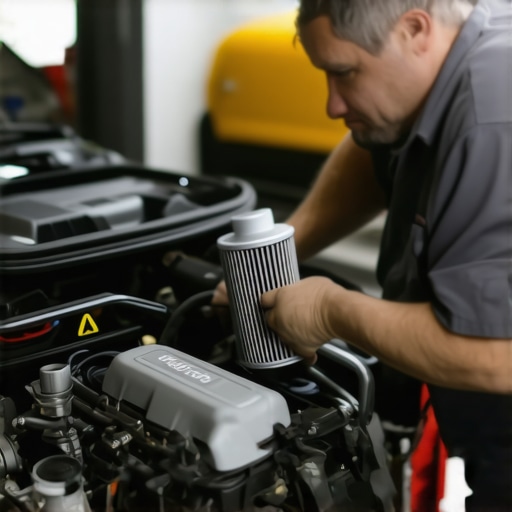
It was a typical Saturday morning when I turned my key, expecting my trusty car to start smoothly. Instead, I was met with unsettling silence and a flickering low-pressure warning light staring back at me. My stomach dropped—I’ve been there, feeling that rush of frustration and confusion. That sudden warning sign can make even seasoned drivers feel like they’ve just stepped into a plumbing nightmare under the hood.
Why Your Low-Pressure Light Flickers and What You Might Be Doing Wrong
I learned the hard way that one of the most overlooked causes of that flickering low-pressure light is a simple mistake during an oil change—the way you handle your oil filter. Early on, I made the rookie mistake of assuming any oil filter would do. But let me tell you, not all filters are created equal, and the wrong choice or improper installation can cause your engine’s oil pressure to plummet. This isn’t just about a warning light; it can lead to serious engine damage if ignored.
Research shows that incorrect oil filter installation can lead to inadequate oil flow, increasing wear and tear on vital engine components. In fact, the American Petroleum Institute emphasizes the importance of using the correct filter to maintain optimal oil pressure and engine health. So, understanding this aspect of oil filter replacement can save you hefty repair bills down the line.
Is All the Fuss About Oil Filters Just Overhyped?
Some might be skeptical, thinking, “It’s just an oil filter—how critical can it be?” Trust me, I felt the same way initially. I only learned how pivotal this small component is after experiencing that flickering warning light myself—and ignoring it could have led to a costly engine rebuild. So, if you’ve ever faced that unsettling flicker, or worse, a steady warning light, you’re not alone. Stay with me, because I’m about to share the secrets to ensuring your oil filter isn’t silently sabotaging your engine.
Choosing the Right Oil Filter
Start by selecting an oil filter compatible with your vehicle’s make and model. Use the owner’s manual or consult with a trusted auto parts store. I learned this the hard way when I grabbed the first filter on the shelf, only to find it didn’t fit properly, causing oil pressure issues. Ensuring compatibility is key to a successful replacement.
Gathering Necessary Tools and Equipment
Before diving in, gather essential tools: socket wrenches, oil catch pan, gloves, and clean rags. Also, have a new oil filter ready. When I replaced my filter for the first time, having the right tools saved me hours of unnecessary frustration and prevented damage to engine components.
Preparing the Vehicle
Park your car on a level surface and engage the parking brake. Allow the engine to cool to avoid burns. Jack up the vehicle if needed for better access, and secure it with jack stands. I once tried this job without proper support, which was risky. Stability and safety are non-negotiable for a smooth process.
Removing the Old Filter Safely
Locate the oil filter, usually on the side of the engine block. Use the socket wrench or filter removal tool to turn counter-clockwise. Be prepared for residual oil to spill, so place the catch pan underneath. I once forgot to drain the old oil fully, leading to a messy engine bay. Patience during removal prevents spills and messes.
Inspecting and Preparing the New Filter
Compare the new filter with the old one for proper size and threading. Apply a thin layer of fresh engine oil to the rubber gasket of the new filter; this ensures a proper seal and prevents leaks. In my experience, skipping this step resulted in oil leaks within days, stressing the importance of thorough preparation.
Installing the New Oil Filter
Screw the new filter onto the engine by hand, turning clockwise. Once it’s snug, tighten it an extra quarter turn to secure it firmly, but avoid over-tightening. During my first installation, I realized that overly tight filters can strip threads, so I learned to feel for the right tightness.
Refilling Engine Oil
Pour the correct type and amount of engine oil as specified in your owner’s manual. After filling, start the engine and let it run for a few minutes. Then, turn off the engine and check for leaks around the filter. I once neglected this step, leading to engine oil burning off quickly. Checking for leaks confirms that the installation was successful.
Verifying Oil Pressure and Resetting Warning Lights
Start your vehicle and monitor the dashboard for oil pressure readings or warning lights. If the low-pressure light persists, consult your vehicle’s manual or visit a professional if necessary. Taking these precautions ensures your engine is protected and operating correctly. Properly handling this step can save you from potential engine damage and costly repairs.
Repeat these steps carefully each time you replace your oil filter to maintain optimal oil pressure and engine health. Remember, a well-executed oil filter change isn’t just about avoiding warning lights; it’s about prolonging your vehicle’s lifespan and ensuring reliable performance.
Many car owners operate under misconceptions about auto repair, often leading to costly mistakes. One common myth is that all transmission issues are immediately apparent, but in reality, early signs like subtle shudders or odd noises often go unnoticed, causing minor problems to escalate. Skilled technicians know that a thorough diagnosis using specialized tools can reveal preemptive insights, saving you money. Additionally, many believe that regular tune-ups are only necessary when problems arise. However, proactive tune-ups prevent minor issues from developing into major failures, especially in high-mileage vehicles, as emphasized by experts at Collision Fixer. Be cautious of the trap where owners assume cheap parts are sufficient; using inferior components can lead to quick failures and more expenses—always opt for quality replacements. When it comes to collision repairs, many overlook the importance of verifying whether the repair shop uses OEM parts, which significantly affects safety and longevity. Have you ever fallen into this trap? Let me know in the comments. Lastly, a widespread mistake is neglecting comprehensive vehicle inspections during routine service—they aren’t just about oil changes. Regular inspections can identify hidden issues like small leaks or worn suspension components before they develop into serious problems. For those serious about maintaining their car’s health, understanding these nuances ensures longevity and safety. Remember, comprehensive knowledge of what often goes wrong in auto repair is your best defense against unexpected breakdowns and expensive repairs. Stay informed, ask questions, and always choose reputable service providers.
Investing in Quality Equipment for Long-Term Car Maintenance
When it comes to ensuring your vehicle remains reliable, the right tools make all the difference. I personally rely on a high-quality digital multimeter for diagnosing electrical issues because it provides precise readings, helping me identify problems like faulty alternators or dead batteries without guesswork. For fluid checks and engine diagnostics, an advanced OBD-II scanner such as the BlueDriver allows me to access real-time data and monitor vehicle health efficiently. This device also offers manufacturer-specific codes, which are invaluable for complex problems like transmission shudders or power steering leaks.
In addition to diagnostic tools, I recommend a sturdy hydraulic lift or a quality jack and jack stands for safe under-car access. I’ve found that investing in a telescoping magnetic pick-up tool helps retrieve dropped nuts or tools in tight spaces—a common annoyance during oil filter replacements or transmission fluid changes. For cleaning tasks, a dual-action polisher paired with microfibre pads ensures that paint and plastic trims are restored without causing scratches, significantly prolonging your vehicle’s aesthetic appeal.
Implementing Regular Maintenance Schedules
Consistency is key in auto care. Following the manufacturer’s recommended service intervals—such as those outlined in the tune-up guide—can extend your engine’s lifespan and optimize fuel efficiency. Regularly inspecting and replacing spark plugs, air filters, and serpentine belts prevents minor issues from escalating, saving you money and stress in the long run.
Anticipating Future Trends in Auto Repair
The shift towards electrification and advanced driver-assistance systems (ADAS) is transforming how we maintain our vehicles. Repair professionals are increasingly using software updates and specialized diagnostic scanners tailored for electric and hybrid vehicles. To stay ahead, I’m exploring cloud-based service management platforms that monitor vehicle health in real time, allowing proactive maintenance rather than reactive repairs. Embracing these innovations will inevitably make routine care more precise and less time-consuming.
How do I maintain auto repair tools and techniques over time?
Keeping your equipment in top shape involves regular calibration of diagnostic devices, proper storage to prevent corrosion, and updating software to stay compatible with new vehicle models. I also recommend dedicating time periodically to review tutorials and manuals—like those on Collision Fixer—to learn about emerging issues and their solutions. This continuous education improves your diagnostic accuracy and repair quality, ultimately ensuring your vehicle stays in excellent condition longer.
Throughout my auto repair journey, I’ve uncovered lessons that go far beyond the basic steps—insights that could dramatically extend your vehicle’s lifespan and keep your wallet happy. These hard-earned experiences have reshaped my approach to car maintenance, especially regarding oil filters and engine health.
The Hardest Lesson I Learned About auto repair,transmission,tune up,collisionfixer,car service
- Assuming Compatibility Is Enough: I once believed that any oil filter with the right size would suffice. It wasn’t until I faced oil pressure issues that I realized the importance of verifying OEM specifications and compatibility—trusting the brand and model recommended by the manufacturer.
- Over-tightening Isn’t Better: My first instinct was to torque the filter as tight as possible. However, I learned that over-tightening can strip threads and cause leaks. Feeling the right snugness by hand, then tightening slightly more, proved more effective.
- Preparation Is Key: Skipping steps like applying oil to the gasket or inspecting the old filter led to leaks and the dreaded warning light. Meticulous preparation always pays off in the long run.
- Patience During Installation: Rushing the process increased the risk of cross-threading or improper sealing. Taking my time ensures each step is correct and prevents costly repairs.
- Regular Maintenance Saves Money: I used to wait for problems before servicing. Now, I see that sticking to manufacturer intervals and performing thorough inspections prevent minor issues from turning into major breakdowns.
My Essential Toolkit for auto repair,transmission,tune up,collisionfixer,car service
- OEM-Quality Oil Filters: Trustworthy sources like major auto parts stores for genuine filters. My experience confirms that quality parts ensure proper fit and function, preventing pressure drops and engine damage.
- Digital Torque Wrench: Prevents over-tightening or under-tightening the filter, ensuring perfect sealing every time.
- OEM Service Manual: Keeps me aligned with manufacturer specifications, especially when selecting compatible filters and oils.
- Insurance Against Mess: A good oil catch pan and rags help manage spills, keeping the workspace clean and safe.
- Inspection Tools: Flashlight and mirror to check for leaks and proper installation.
Look Forward and Take Action Today
Maintaining your vehicle’s health isn’t just about following a checklist—it’s about adopting a mindset of care and precision. Each oil change, each filter replacement, is an investment in your car’s future performance and longevity. Remember, the small details often make the biggest difference. Your proactive approach now can save you from costly repairs tomorrow.
Have you ever overlooked a small detail that led to a big problem later? Share your story below—I’d love to hear how you turned a mistake into a learning moment and kept your engine running smoothly!
For more tips on maintaining your vehicle, check out how regular tune-ups can extend your car’s life.