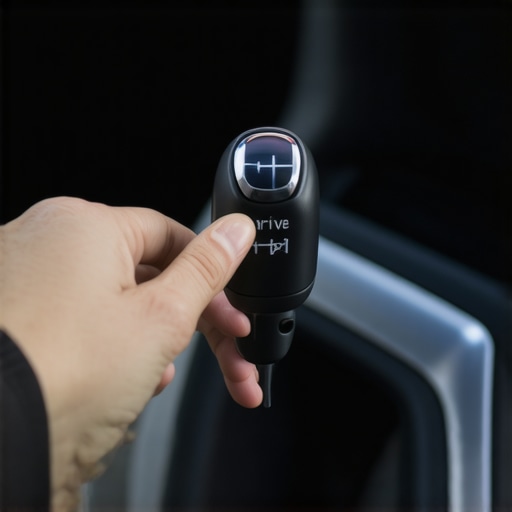
It was a chilly morning when I fumbled to start my car, only to feel that unsettling jerk as I shifted from park into drive. That awkward hesitation, the feeling that something’s just not right, has probably made many of us worry about big, expensive repairs. I remember thinking, “Is my transmission going out?” That moment of dread is all too familiar for car owners.
Understanding the Frustration of a Slipping Transmission
Driving should feel smooth and predictable, but when your transmission slips during the shift from park to drive, it throws everything into chaos. You press the pedal, expecting a gentle response, but instead, the engine revs loudly, and your vehicle hesitates or lunges forward unpredictably. This isn’t just annoying; it’s a serious red flag that something needs attention. If you’ve experienced this yourself, you’re not alone. It’s a common problem, but one that often leaves drivers feeling helpless and overwhelmed.
Are You Worrying Over Nothing? The Myths About Transmission Problems
Early on, I made the mistake of ignoring minor glitches, thinking they’d go away. I told myself, “Maybe it was just a bad day or some minor hiccup.” But neglecting these signs often leads to costly repairs down the line. In fact, many drivers underestimate how much a small transmission issue can escalate. Regularly checking out guides like [this](https://collisionfixer.com/top-signs-your-car-needs-expert-auto-repair-now) can help you recognize early warning signs. Being proactive and understanding the real causes of slipping transmissions can save you heaps of money.
So, what’s really going on when your car slips during that crucial shift? Is it something you can fix yourself or should you head straight to a mechanic? Let’s explore the common reasons behind this frustrating issue and how you can address it confidently.
Diagnose the Root Cause
Start by confirming that your transmission is slipping. Carefully observe if the gear shifts feel rough or delayed. For example, I once noticed my car revving loudly without acceleration, signaling a potential issue. Use a diagnostic scanner if possible to check for error codes related to transmission sensors. Recognizing early signs helps prevent costly repairs and keeps your vehicle dependable.
Check Transmission Fluid Levels and Quality
Low or dirty transmission fluid often causes slips. Locate your transmission dipstick, pull it out, and assess the fluid’s color and odor. If it’s dark or smells burnt, it’s time for a fluid change. Remember, transmission fluid is like the blood for your car’s transmission: without it, gears won’t shift properly. To troubleshoot further, consider reading about [how transmission overhauls save you money](https://collisionfixer.com/how-transmission-overhauls-save-you-money-in-the-long-run) to understand maintenance importance.
Inspect Transmission Filter and Pan
Contaminants can clog filters, leading to improper lubrication. Remove the transmission pan carefully, following your vehicle’s service manual. Clean the filter and pan thoroughly, removing any sludge or debris. Think of it as cleaning a sponge—you need it free of dirt to work efficiently. During this step, ensure you have the right tools to avoid damaging seals or gaskets.
Replace Transmission Fluid and Filter
Drain old fluid completely before refilling with manufacturer-recommended type and quantity. Replace the filter if your transmission design allows. This process is akin to changing the oil in your engine; fresh fluid ensures smooth shifting and prevents further slipping. Use a steady hand, and double-check fluid levels afterward, as overfilling or underfilling can cause additional problems.
Test the Vehicle After Service
Drive your car gently, shifting through all gears to see if the slip persists. Pay attention to the feel and sound. If issues remain, it might be time to consider a more comprehensive repair, such as a transmission rebuild. Sometimes, replacing worn-out clutch packs or bands can restore proper function. For advanced repairs, consulting a professional is advisable, especially if the problem stems from internal components.
Monitor and Perform Preventative Maintenance
Regularly check your transmission fluid levels and quality, ideally every 30,000 miles. Schedule tune-ups and fluid replacements as part of your routine maintenance, akin to a doctor’s check-up for your vehicle. Visit [this page](https://collisionfixer.com/maximize-your-cars-lifespan-with-regular-tune-ups) for tips on maximizing your car’s lifespan. Staying proactive helps avoid unexpected slips and extends your transmission’s lifespan significantly.
Many car owners operate under myths about car service, auto repair, and transmission care that can hinder proper maintenance and lead to costly mistakes. A prevalent misconception is that waiting until a warning light or obvious symptom appears is acceptable—yet, by then, minor issues may have escalated into serious problems. Regular proactive inspections are essential; neglecting them often results in breakdowns that could have been prevented through early detection.
Another widespread error involves the belief that all mechanic shops provide the same quality of service. This is far from true, as unskilled technicians may misdiagnose issues or recommend unnecessary repairs, ending up costing owners more in the long run. To avoid falling into this trap, researching certifications and reviews can help identify reputable service providers like [Collision Fixer](https://collisionfixer.com/contact-us).
A common myth about transmission maintenance is that simply topping off transmission fluid is sufficient for longevity. However, neglecting proper fluid changes and filter replacements can cause internal wear and overheating, eventually leading to complete transmission failure. Advanced issues, such as worn-out clutch packs, often require professional attention rather than DIY fixes.
Furthermore, many believe that complex repairs, like transmission overhauls, are always prohibitively expensive. In reality, timely interventions can save thousands of dollars—regular tune-ups and diagnostic checks ensure that potential problems are caught early. For comprehensive guidance on this, see how [transmission overhauls can be cost-effective when done early](https://collisionfixer.com/how-transmission-overhauls-save-you-money-in-the-long-run).
The ‘set it and forget it’ mentality about car maintenance is another pitfall. Routine tasks such as inspecting brake pads, checking fluid levels, and monitoring sensor functions are vital. For instance, emissions-related sensors might malfunction silently, causing performance drops or increased fuel consumption—a problem often overlooked until vehicle diagnostics reveal the cause.
Beware of the trap where owners delay essential repairs under the assumption that minor sounds or vibrations are harmless. Usually, these are early signs of mechanical wear that, if unaddressed, could lead to expensive fixes or accidents. Paying attention to symtoms and consulting qualified professionals ensures your vehicle remains safe and reliable.
In sum, understanding the nuances behind auto repair myths is crucial for maintaining your vehicle effectively. Prioritize regular check-ups, do thorough research on service providers, and don’t hesitate to seek expert opinions on complex issues like transmission repairs. By doing so, you save money and extend your vehicle’s lifespan significantly. Have you ever fallen into this trap? Let me know in the comments.Maintaining your vehicle’s health requires more than just knowledge—it demands the right tools and a disciplined approach. One of my favorite investments is a quality diagnostic scanner like the Autel Maxicheck Pro, which allows me to swiftly identify error codes and sensor issues without trips to the mechanic. This device is invaluable for early detection of problems, saving both time and money. Additionally, a reputable set of mechanical hand tools—including ratchets, wrenches, and specialty bits—ensures precision during tasks like filter replacements or fluid flushes. I prefer tools with ergonomic grips and low-profile designs, facilitating access to tight engine bays and transmission components. For analyzing fluid conditions, an infrared thermometer helps monitor transmission and engine temperatures, allowing proactive adjustments to prevent overheating. Long-term results hinge on systematic routine checks; I schedule biannual inspections where I verify fluid levels, inspect belts, and assess sensor performance, referencing manufacturer guidelines closely. Software-wise, I recommend keeping your vehicle’s service manual integrated into a digital format, such as a well-maintained PDF, which simplifies troubleshooting and ensures you’re using the correct procedures. Looking ahead, the trend toward smarter, connected diagnostics is set to revolutionize auto maintenance, enabling real-time fault detection via telematics. This future promises even more proactive, cost-effective vehicle care. To truly keep your car running smoothly over time, consider scheduling regular tune-ups as recommended by experts, such as those detailed here, which discuss strategies for maximizing your car’s lifespan. I challenge you to try calibrating your transmission shift points with a diagnostic tool this weekend—it’s a simple yet powerful step toward better maintenance. Regularly using these tools and methods no longer makes auto repair feel daunting but empowering, turning maintenance into a straightforward, manageable task.
The Hardest Lesson I Learned About auto repair,car service,collisionfixer,transmission,tune up
Never underestimate the power of regular transmission checks. Ignoring minor shifts or delays can lead to major repairs down the line, costing thousands more. The importance of staying proactive became crystal clear when I nearly faced a full transmission overhaul because I neglected small warning signs.
3 Myths About auto repair,car service,collisionfixer,transmission,tune up That Held Me Back
Believing that topping off transmission fluid is enough or that all mechanics are equally trustworthy can delay necessary repairs. Dispelling these myths early on saved me from avoidable expenses and helped me choose the right service provider, like those who prioritize transparency and quality.
What Experts Won’t Tell You About auto repair,car service,collisionfixer,transmission,tune up
Most professionals agree that regular filter changes and fluid replacements prevent costly internal damage. Yet, many owners wait until symptoms worsen. Learning this from industry insiders transformed my maintenance routine and extended my vehicle’s lifespan.
Curated Tools That Helped Me Stay Ahead
- Diagnostic Scanner: Devices like the Autel Maxicheck Pro allow early detection of transmission issues, saving time and money. I trust it because it provides real-time data and easy diagnostics.
- Quality Hand Tools: Investing in ergonomic wrenches and specialty bits made maintenance manageable. They ensure precision without damaging components, which is crucial for delicate parts like filters and sensors.
- Temperature Gun: Monitoring engine and transmission temps helped me prevent overheating during stressful drives, especially in summer.
- Digital Service Manual: Having the exact specs and procedures at my fingertips made DIY tasks much more successful. I’ve found that consistent referencing reduces mistakes and increases confidence.
Take Action and Keep Moving Forward
Understanding the ins and outs of transmission care isn’t just academic—it’s empowering. The more I learned and applied proactive maintenance, the less stress I experienced on the road. Remember, your vehicle is a complex machine that rewards attention and care. If you’re curious about early warning signs or want tailored advice, don’t hesitate to reach out through this contact page. Your journey toward a smoother, more reliable ride starts today—so get under your hood with confidence and keep your transmission healthy!
What has been your biggest lesson learned when it comes to vehicle maintenance? Drop your story below, and let’s learn from each other.