You know that nerving squeal when your engine starts up on a cold morning? Or maybe it kicks in when you’re idling at a stoplight, driving you crazy with its high-pitched tease. I remember the first time I heard it—sharp, relentless, as if my car was protesting loudly for attention. I figured I had a massive repair bill on my hands. Turns out, that squeal was just a belt, and fixing it cost me less than twenty bucks.
Today, I want to share how I tackled that annoying serpentine belt squeal without draining my wallet or losing my mind. Many car owners dismiss it as a minor annoyance, but it can be a sign that your belt or pulleys need a quick tweak. The good news? With a few inexpensive supplies and simple steps, you can silence that squeal for good.
Why Ignoring the Squeal is a Bad Idea
Even if the noise seems minor, a persistent belt squeal isn’t something to brush off. It often indicates tension issues or slipping, which can lead to belt failure at the worst possible moment—say, on your commute or during a road trip. A worn or loose belt can cause accessory pulleys to malfunction, affecting your alternator, power steering, or AC.
Early intervention saves you from more costly repairs down the line, and it’s remarkably straightforward. Plus, it keeps your engine running quietly and efficiently. According to auto maintenance experts, addressing belt issues promptly can extend your engine’s life and prevent breakdowns. For instance, regularly inspecting your belts can help you spot signs of wear before they become major problems; you can learn more about that in [this](https://collisionfixer.com/maximize-your-cars-lifespan-with-regular-tune-ups) post.
Have you experienced that high-pitched squeal and wondered whether you need a professional to fix it? Many times, the solution is within your reach and budget. Keep reading, because I’ll guide you through my tried-and-true method to stop that annoying squeal with just a few bucks and a little elbow grease. And trust me, the satisfaction of fixing it yourself is priceless.
We’ll start by identifying the root cause—often it’s a simple belt tension problem or a little dirt buildup—and then move on to the quick fix. No complicated tools or expensive parts needed. Ready to reclaim your peace and quiet? Let’s dive into the practical steps that turned my noisy engine back into a serene ride.
Tighten and Inspect the Belt
Step 1: Locate the Serpentine Belt
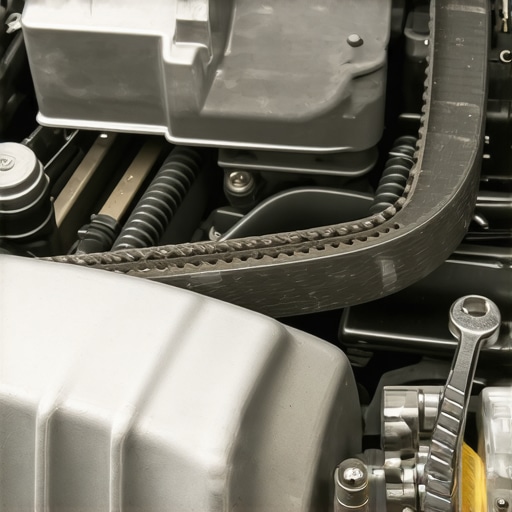
Pull your hood release and find the belt — it resembles a thick rubber band looping around various pulleys. This belt drives essential components like the alternator, power steering, and A/C compressor. Once located, examine it for cracks or fraying, which indicate wear and need for replacement. Think of it like inspecting a garden hose for leaks before watering your plants — a small crack can cause a big mess.
Step 2: Apply Correct Tension
Most modern cars have automatic belt tensioners, but if yours has a manual tensioner, use a wrench to rotate it. The goal is to remove slack and ensure the belt is snug but not overly tight. If the belt is loose or slipping, the squeal intensifies, especially during cold mornings when the belt stiffens. I remember once applying a little more pressure with a socket wrench, and suddenly, the squealing stopped — it was like releasing a high-pitched squeal machine!
Clean and Lubricate Pulleys
Step 3: Remove Dirt and Debris
Dirty pulleys can cause the belt to slip and squeal. Wipe them with a clean rag soaked in some brake cleaner or, better yet, a dedicated pulley cleaner. Make sure to remove any accumulated dirt, grease, or old belt residue. This process is akin to cleaning skateboard wheels to prevent squeaks and ensure smooth rolling.
Step 4: Lubricate the Pulleys (If Needed)
Most pulleys shouldn’t be lubricated, but some small idler or tensioner pulleys can benefit from a few drops of light machine oil or a silicone-based spray. Apply carefully to avoid getting oil on the belt itself, which can cause slipping. Think of it like oiling door hinges — a little goes a long way to eliminate squeaks.
Adjust Tension if Possible
Step 5: Manually Tension the Belt
For cars with manual tensioners, rotate the tensioner to add slack or apply tension until the belt feels firm but not tight enough to cause strain on the pulleys. Remember, an overly tight belt can wear out components prematurely. A quick test: press down on the belt midpoint; it should flex about half an inch. It’s similar to tuning a guitar string — too tight, and it snaps; too loose, and it muffles the sound.
Test Your Fix
Step 6: Run the Engine
Start your engine and let it reach operational temperature. Observe the belt while it’s running; listen for any squeal or slipping. If the noise persists, recheck the tension and pulleys. Once satisfied, take a short drive and pay attention to noise levels. Remember, small adjustments can make a big difference, so don’t hesitate to tweak further if needed.
Prevent Future Squeals
Implement a routine inspection every few months, especially during seasonal changes. Keeping belts clean and properly tensioned can extend their lifespan and avoid unexpected squeals. Consider replacing the belt if cracks or excessive wear are visible, as this is cheaper than risking a sudden failure that could leave you stranded. Regular tune-ups and maintenance are a small investment with big long-term savings, as outlined in this guide.
Many car owners operate under misconceptions about transmission systems and routine auto repairs, leading to costly mistakes. One common myth is that transmission fluid replacement isn’t urgent unless there’s a problem. In reality, as experts from CollisionFixer point out, regular fluid changes are critical for longevity—and neglecting this can result in a complete transmission overhaul, which costs significantly more. Another misconception involves the idea that all car services are equally necessary. While basic tune-ups improve performance, skipping specialized services like transmission flushes or coolant system cleanings can cause unnoticed damage over time. Many assume DIY repairs are always cheaper, but in complex systems like transmissions, advanced mistakes can deepen issues instead of fixing them. A sneaky trap I see often is the neglect of subtle warning signs, such as slipping gears or delayed shifts, which are signals of deeper issues. If caught early, these problems are manageable; if ignored, they escalate into major failures. As auto experts emphasize, understanding the nuances between different fluids—like in this article—and recognizing early symptoms like peculiar noises can save you hundreds. When it comes to car maintenance ‘rules,’ most people overlook that preventative measures often trump reactive fixes. Regularly reviewing your vehicle’s health—not just trusting the advice of well-meaning friends or outdated myths—can extend your car’s lifespan. Think twice before postponing that crucial transmission service or ignoring a slow-responding shifter; these are often the first signs of trouble. Keep in mind, routine inspections with a qualified mechanic are invaluable, especially when you understand the nuanced differences in maintenance needs. Don’t fall into the trap of complacency—being proactive can save you plenty in the long run. Have you ever fallen into this trap? Let me know in the comments.
Keeping It Working: Tools That Make a Difference
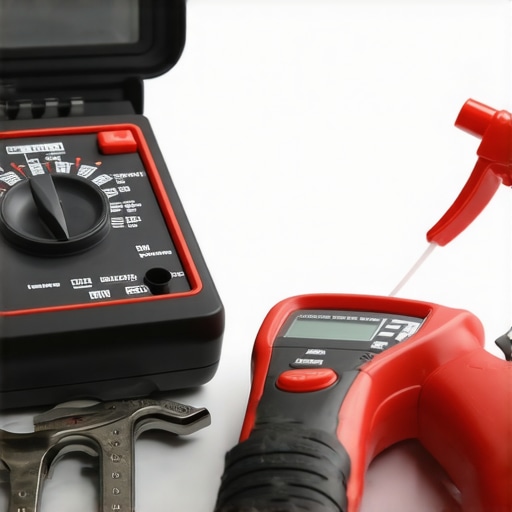
Maintaining your vehicle for the long haul requires not just effort but the right equipment. I’ve found that investing in quality, specific tools enhances both safety and effectiveness. For example, a digital multimeter is indispensable for diagnosing electrical issues, such as checking your alternator or battery health. I prefer the Fluke 117 because of its accuracy and durability, which I’ve used to verify the voltage output of my alternator during routine checks.
When it comes to belt adjustments, a serrated pulley wrench simplifies tensioning and eliminates guesswork. Trust me, manually adjusting serpentine belts without the proper wrench is frustrating and can lead to improper tension, which causes squeals or premature wear. For pulley cleaning and lubrication, I recommend a brace of brake cleaner and silicone spray. Brake cleaner rapidly removes dirt and old lubricant, while silicone spray protects pulleys from dirt buildup and reduces squealing.
Beyond physical tools, software diagnostics also plays a major role. A good OBD-II scanner like the Bluetooth OBDLink MX+ allows me to scan and clear codes quickly, pinpointing issues before they escalate. For auto repair pros or meticulous DIYers, investing in such gadgets saves time and prevents unnecessary parts replacements.
Predicting the Future of Auto Maintenance
As vehicle technology advances, I believe we’ll see more integration of smart diagnostics that can predict issues before symptoms appear. Devices connected to your smartphone could inform you of tension irregularities or pulley wear in real-time, allowing proactive maintenance. According to industry experts, embracing these innovations today sets the foundation for hassle-free driving tomorrow.
Questions on Upholding Your Car’s Heartbeat
How do I maintain these tools over time? Regular calibration and cleaning are key. For electronic devices, follow manufacturer instructions on battery management and firmware updates. Physical tools benefit from routine cleaning and proper storage—think of it like maintaining your own body, where consistent care extends lifespan. Keep an eye on your equipment, and replace worn-out parts before they cause delays or failures. Remember, reliable tools are your best allies in ensuring your vehicle stays in prime condition for years.
If you’re serious about long-term auto health, start by reviewing your current maintenance toolkit and identify any gaps. Upgrading your diagnostic scanner or adding a high-quality pulley wrench can make a significant difference. Want to learn more about optimizing your vehicle’s performance? Check out this guide for comprehensive tips. Don’t wait for a breakdown—equip yourself with the right tools today and enjoy peace of mind on every drive.