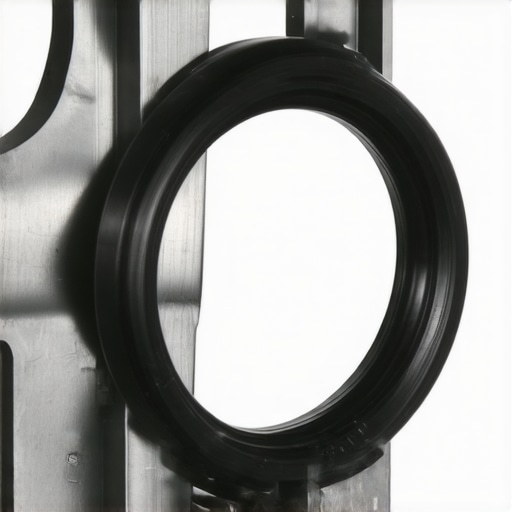
I’ll never forget the afternoon I noticed that gritty, oily puddle under my car. My stomach sank. It was my power steering fluid, leaking right at the most inconvenient spot. I was about to spend hundreds on a repair I thought I needed, but then I stumbled upon a tiny, overlooked fix—something I could do myself for just a few dollars. That moment was a real lightbulb for me, realizing how often the smallest part can cause big headaches—and how simple solutions can save the day.
Your Car’s Hidden Leak Could Be a Tiny Part, Not an Expensive Fix
Many drivers face mysterious power steering leaks that seem to appear out of nowhere. Instead of rushing to the shop, I learned that a simple, inexpensive component—a $5 O-ring—can often seal the leak and restore perfect steering. This discovery changed how I approach auto repairs: first, examine the simplest possible causes before considering costly replacements. Today, I want to guide you through how this little part can become your car’s best friend, saving you money and frustration.
Is the Hype About A Tiny O-Ring Actually Real?
Early on, I made the mistake of assuming every leak meant a serious engine or pump overhaul. Turns out, that tiny $5 O-ring can solve many leaks that seem daunting at first glance. But I admit, I was skeptical at first—who wouldn’t be? My initial mistake was rushing into full-system replacements without inspecting these small seals, thinking they were insignificant. Trust me, taking the time to check this small but vital part can be a game-changer, and it’s backed by many mechanics who have seen their fair share of simple fixes turn into big savings. Want to dig deeper into what causes power steering leaks? Check out top signs your car needs auto repair for more insights.
The question is—are you facing a leak that just won’t quit, or maybe you’re worried about the next rainy day and squealing noises? Well, you’re in the right place. We’re about to explore a straightforward fix that’s proven to work for countless drivers—and it might just work wonders for you, too. Let’s get into how this tiny but mighty $5 part can save your steering system and keep your budget intact.
Locate the Leaking Component
Start by parking your car on a level surface and turning off the engine. Engage the parking brake for safety. Look under the front of the vehicle, especially near the power steering pump and hoses, to spot the source of the leak. Use a flashlight if needed to see small details clearly. In my case, I noticed a thick, oily puddle forming overnight, which pointed me directly to the power steering system.
Identify the Faulty Seal
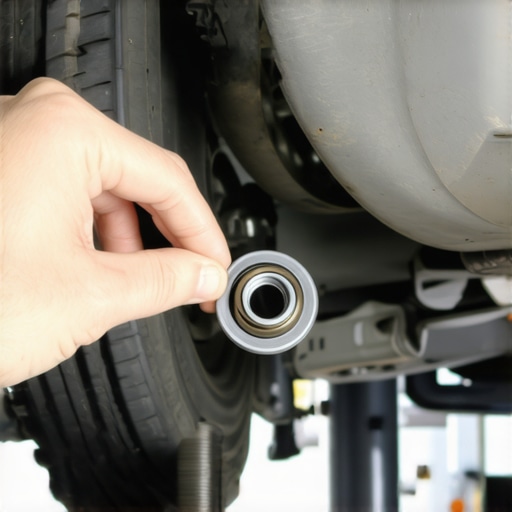
Once you’ve pinpointed the leaking area, examine the connected hoses and fittings. Many leaks occur at the seal points—particularly O-rings—that prevent fluid from escaping. Carefully inspect these rubber rings for cracks, deformation, or signs of wear. If they look damaged, replacing them could be the quick fix.
Gather Necessary Tools and Parts
Before proceeding, gather a new O-ring of the exact size, a set of screwdrivers, pliers, and a clean rag. The O-ring typically costs around $5, making this an affordable repair. Consult your vehicle’s manual or online resources to find the correct part number. Think of this step as replacing a worn gasket to stop a leak—like fixing a leak in a swimming pool piping system.
Remove the Damaged O-Ring
Carefully disconnect the component containing the faulty O-ring—usually a hose or fitting. Use pliers or a screwdriver to loosen clamps or fittings. Take your time to avoid damaging surrounding parts. Once exposed, gently extract the old seal. Remember, this step is akin to removing an old rubber washer from a faucet—precision is key to prevent further damage.
Install the New O-Ring
Lubricate the new O-ring with a bit of power steering fluid or engine oil to ease installation. Place it carefully into the groove, ensuring it sits evenly and completely seated. Reconnect the hose or fitting securely. This process is comparable to fitting a new gasket—make sure it aligns perfectly to prevent future leaks.
Refill and Test the System
Fill the power steering reservoir with the recommended fluid type. Start the engine and turn the steering wheel from lock to lock several times to circulate the fluid and seat the seal properly. Check underneath for any fresh leaks. If everything looks good, turn off the engine and wipe the area clean. This step echoes how a tune-up restores overall ride quality by ensuring all components work harmoniously.
Monitor the Repair
Over the next few days, keep an eye on the repaired area. Recheck the fluid level and inspect for leaks. If the leak persists or worsens, revisit the steps or consult an auto professional. Remember, small fixes like replacing a tiny O-ring can prevent costly repairs down the line, similar to how regular tune-ups extend vehicle lifespan.
By following these steps, you transform a potentially expensive repair into a manageable DIY project. This proactive approach not only saves money but also boosts your confidence in handling car issues—just like maintaining other vital systems, from the transmission to the brakes.
Many car owners operate under assumptions that can lead to costly mistakes, especially when it comes to trusting auto repair shops or managing vehicle maintenance. One pervasive myth is that all repair shops quote the same prices or provide equal quality service. In reality, shops vary widely in expertise, transparency, and the quality of parts used. For example, some shops might push for unnecessary transmission overhauls, which can be avoided with proper diagnostics—learning to identify early signs of issues, like subtle slipping or delay in shifts, can save you thousands. Additionally, a common pitfall is believing that regular tune-ups are optional; however, they are crucial to maintaining optimal engine performance and fuel efficiency. Regular tune ups help detect early wear, prevent breakdowns, and extend your vehicle’s lifespan. Many customers also underestimate the importance of choosing the right fluids and replacements for transmission and cooling systems. Using incorrect fluids or neglecting transmission fluid changes can accelerate wear, leading to expensive repairs—the importance of expert advice in choosing compatible fluids can’t be overstated. An often-overlooked nuance is that diagnostic procedures are not a one-size-fits-all process. Some shops rely heavily on scan tools, but hands-on inspections can reveal micro-cracks or frame issues that scans might miss, preventing safety hazards and ensuring peace of mind. And beware of the trap where shops recommend repairs based solely on diagnostic codes without a physical inspection; this can lead to unnecessary expenses. For instance, a misdiagnosed engine stumble might be caused by spark plug fouling or vacuum leaks, which are simpler fixes than full engine replacements. Advanced issues like micro-cracks in aluminum components demand experienced technicians with specific expertise, emphasizing why choosing dedicated specialists matters. To avoid these pitfalls, educate yourself about your vehicle’s specific maintenance needs and seek trusted professionals who prioritize transparency and thorough diagnostic practices, similar to what you can expect from collisionfixer.com. Understanding these nuances ensures you’re not just passing through repairs but actively protecting your investment over the long term. Have you ever fallen into this trap? Let me know in the comments.
Investing in Reliable Tools: Your Auto Repair Foundation
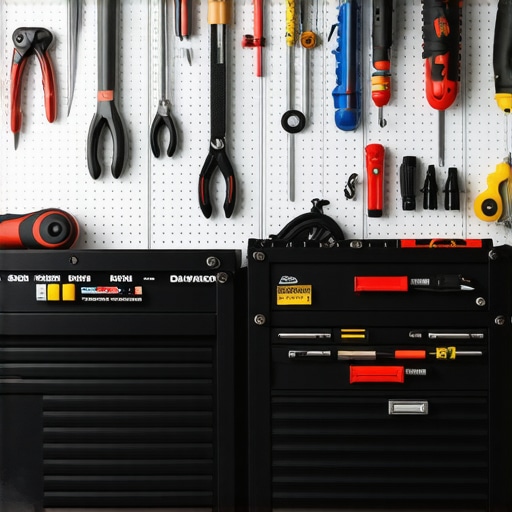
Building a successful DIY auto repair kit starts with selecting tools that combine durability, precision, and ease of use. Personally, I rely on a high-quality ratchet set with various socket sizes because it allows me to access tight bolt spaces without stripping threads. For instance, my Gearwrench ratchets feature an ergonomic grip and a smooth drive mechanism, reducing fatigue during prolonged sessions. Choosing the right tools means investing upfront but paying dividends in the long run through consistent, reliable performance.
Digital Diagnostics: Seeing the Invisible
Complementing physical tools, a professional-grade scan tool like the Autel MaxiScope MS300 helps me quickly pinpoint transmission or engine issues that aren’t visible to the naked eye. This device interfaces with my smartphone, providing real-time data and code interpretation. As technology advances, software updates ensure that I stay ahead of manufacturer-specific quirks. Embracing such diagnostic tech has revolutionized how I approach long-term maintenance, saving me from unnecessary disassembly and guesswork.
The Routine That Keeps Systems Running Smoothly
Creating a consistent maintenance schedule is vital. I set reminders for fluid changes—transmission, coolant, and brake fluids—each based on manufacturer recommendations. Doing so prevents micro-cracks and corrosion, which could escalate into costly repairs. For example, regular tune-ups help me catch worn spark plugs or faulty sensors early, significantly extending my vehicle’s lifespan.
Long-Term Results Are Worth the Effort
In my experience, diligent maintenance with the right tools yields tangible benefits. My engine runs more efficiently, and I avoid unexpected breakdowns. Scaling these practices is straightforward—upgrading tools or manuals as needed and refining your routine over time. I recommend dedicating time each month for inspections using a flashlight and mirror—simple steps that identify issues before they become emergencies. These proactive efforts align with industry insights; according to expert advice, consistent care preserves value and safety.
How can I maintain my vehicle’s health over time?
One proven method is to keep detailed logs of inspections, repairs, and part replacements. This history helps identify patterns and prioritize upcoming maintenance. Additionally, staying informed about vehicle-specific updates from your manufacturer ensures you’re applying the latest best practices. As the industry moves toward electric and hybrid vehicles, understanding specialized tools and software becomes even more crucial—paving the way for future-ready auto care.
If you haven’t already, try upgrading your diagnostic toolkit or scheduling a comprehensive tune-up. These small investments today can prevent major headaches tomorrow, and I can personally attest to their effectiveness in keeping your car working reliably for miles to come.
< >
>
Uncovering Auto Repair Secrets That Changed Everything
Throughout my journey with auto repairs, one of the most eye-opening lessons was realizing how often overlooked tiny parts hold the key to savings and safety. For example, a small O-ring, costing just a few dollars, turned out to be the hero in fixing my power steering leak, proving that shining a light on simple solutions can bring huge benefits. This revelation underscored the importance of inspecting components thoroughly and not jumping straight to costly replacements.
Another invaluable lesson was learning to trust my instincts and educate myself about my vehicle. Rushing to a repair shop without understanding the root cause often leads to unnecessary expenses. Empowering yourself with knowledge—like identifying signs of seal deterioration or fluid leaks—can make all the difference. Remember, sometimes the simplest fix, like replacing a worn seal, can extend your vehicle’s lifespan and save you hundreds.
Moreover, investing in reliable tools and diagnostic tech has been a game-changer. From quality ratchets to professional scan tools, these resources enable you to troubleshoot effectively and confidently. Maintaining a regular check-up routine is equally vital; simple steps like fluid checks or visual inspections can prevent major issues down the road. Ultimately, embracing proactive, well-informed maintenance transforms your relationship with your car from reactive to empowered.
What I Wish I Knew About Auto Repair Early On
- Small parts matter: Overlooking tiny seals and O-rings can lead to costly repairs—pay attention to details.
- Diagnose before replacing: Use available tools and knowledge to identify the true cause of issues rather than guessing.
- Build your toolkit: Quality tools and diagnostic devices are investments that pay off over time.
- Routine checks are lifesavers: Regular inspections and maintenance can prevent emergencies and extend vehicle life.
- Empower yourself: Educate yourself on basic repairs; it saves money and boosts confidence.
Keep Your Car’s Health on Your Terms
Now that you’ve seen how small fixes can make a big difference, I encourage you to take control of your auto care. Regularly check fluid levels, inspect seals, and consider investing in a good diagnostic scan tool. Remember, early detection is your best defense against costly repairs. Approaching maintenance with curiosity and confidence will keep your vehicle running smoothly, year after year. Want to start something new? Maybe try replacing a simple part like an O-ring or scheduling a tune-up—small steps that lead to significant benefits. How will you say goodbye to costly surprises and hello to a more confident, informed car ownership journey? Share your plans below!