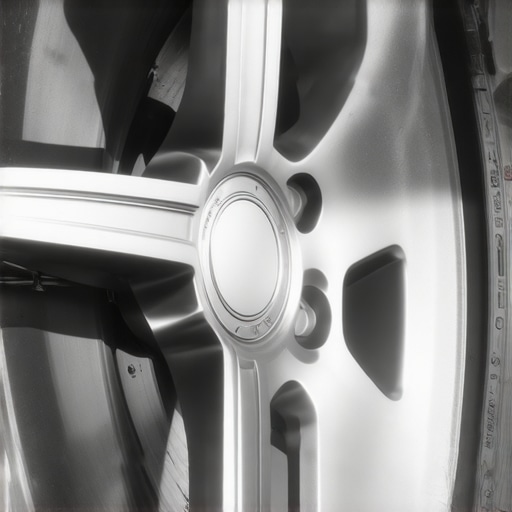
I remember the day like it was yesterday. I had just been in a minor collision, and like many drivers, I was eager to hit the road again without any hassle. But soon, I noticed a strange vibration in my steering wheel, and a nagging suspicion crept in—could there be damage I couldn’t see? That lightbulb moment led me down a rabbit hole of hidden dangers lurking in what seemed like minor accidents, especially in aluminum wheels which are so common today.
Why Micro-Cracks in Aluminum Wheels Can Be Hidden Threats
After a collision, it’s tempting to think that the worst is over once the visible damage is gone. But what about those tiny, often invisible cracks that form during impact? They might be so minuscule that they’re easy to overlook—yet they can compromise your wheel’s integrity over time. A small crack, if left undetected, can expand with every mile, increasing the risk of a catastrophic failure. And let’s be honest, no one wants to be stranded with a broken wheel on the side of the road—especially when it could have been prevented.
Have you ever dismissed a small dent or scrape and later regretted it?
Early in my auto repair journey, I made the mistake of ignoring a tiny dent on my wheel, thinking it was just superficial. That oversight led to a costly repair months later when the crack finally widened. It was a hard lesson that taught me the importance of diligent inspections after any collision, no matter how minor. Trust me, missing these subtle signs can lead to much bigger headaches down the line.
Detecting these micro-cracks isn’t always straightforward with the naked eye, which is why understanding effective inspection techniques is crucial. This post will walk you through proven methods to spot those sneaky cracks, so you can ensure your wheels— and your safety—are well protected. Want to avoid the nightmare of a wheel failure? Keep reading, because the solutions I’ll share are simple, practical, and accessible for every car owner.
Begin with a Close Visual Inspection
Start by thoroughly examining your wheel’s surface under good lighting. Use a magnifying glass to scrutinize areas near the impact site for tiny cracks or fractures. Push gently around the damaged area; micro-cracks often look like fine lines or streaks. Remember, cracks tend to initiate at points of stress concentration, like the edges of dents, so focus there. During my own inspection after a minor collision, I used a flashlight held at an oblique angle to reveal hairline fractures that were invisible straight on.
Utilize Tap Testing to Detect Subtle Flaws
This method involves tapping the wheel’s surface with a small, hard object like a screwdriver handle. Listen carefully to the sound; a clean, solid tone indicates integrity, while a dull or hollow sound suggests cracks or internal damage. Think of it like testing a drum; a change in resonance reveals hidden issues. In my experience, this quick check uncovered a crack deep within the aluminum, prompting me to seek professional repair instead of risking a wheel failure on the road.
Employ a Magnetic or Dye Pen for Micro-Crack Detection
Apply a magnetic particle inspection kit if your wheel is ferrous alloy; the magnetic particles will gather along any cracks, revealing fractures clearly. For non-ferrous wheels, use a specialized dye penetrant. Spray or brush the dye over the suspected area, then wipe off the excess. Cracks will trap the dye, making them visible under UV light or in regular lighting. I once used the dye method on a wheel dent that didn’t look serious but had internal stress; the dye revealed a crack I had missed, saving me from a dangerous situation later.
Leverage Proper Lighting and Magnification
Use a high-intensity LED flashlight or a portable inspection lamp to illuminate the wheel from multiple angles. Pair this with a dental mirror or a jeweler’s loupe for an up-close view of tricky spots. Good lighting helps you spot tiny cracks that are otherwise hidden in shadows or under surface scratches. During my own checks, adjusting the angle of light exposed micro-cracks radiating from a minor impact point, allowing me to address the issue proactively.
Confirm Findings with a Professional Scan
If your visual and tactile inspections suggest damage, consider visiting a collision repair specialist who can perform non-destructive testing (NDT) like ultrasonic or X-ray scans. These techniques detect internal cracks invisible to the naked eye, providing peace of mind. Remember, while DIY inspection is invaluable, a professional assessment often reveals issues beyond surface cracks. Regularly scheduling thorough inspections aligns with tips from [essential car service for safety](https://collisionfixer.com/essential-car-service-tips-for-safe-summer-drives), ensuring your safety isn’t compromised.
Many car owners believe they understand the basics of tune-ups, auto repairs, and collision fixes, but beneath these common assumptions lie nuances that can make or break your vehicle’s longevity and safety. For instance, a widespread myth is that neglecting minor noises or irregularities isn’t worth worrying about—yet, as expert mechanics emphasize, small symptoms often precede major failures, especially in critical components like transmissions. Rushing into a quick fix without understanding the root cause can lead to costly repairs; for example, many assume that a transmission fluid change is always necessary at specific intervals, but recent studies highlight that overservicing can sometimes do more harm than good—[see expert insights here](https://collisionfixer.com/how-transmission-overhauls-save-you-money-in-the-long-run).
Investing in the Right Equipment for Long-Term Vehicle Care
When it comes to maintaining your car, quality tools are your best friends. I personally swear by a high-quality digital multimeter because it provides precise readings for battery health, alternator performance, and sensor checks. For instance, a good multimeter allows me to quickly test the alternator output, ensuring my charging system stays optimal, preventing unexpected stalls. Additionally, I recommend a portable scan tool that supports OBD-II diagnostics, like the Autel MaxiScan MS300, which helps me identify engine trouble codes early and address issues before they escalate. These tools not only save time but also empower you to understand your vehicle better, making DIY maintenance feasible and effective.
Routine Checks and Preventative Maintenance Techniques
Regular inspections are the cornerstone of reliable vehicle operation. I develop a habit of performing monthly fluid checks — oil, coolant, transmission fluid — and noting any irregularities using my digital tools. For example, I use a UV flashlight to spot leaks on the engine bay and underside of the vehicle. Routine checks allow me to catch early signs of trouble like fluid discoloration or buildup, which can signal internal components are wearing out. A proactive approach, combined with quality lubricants and additives, extends parts life and boosts safety. Turning this into a weekly habit saves me significant costs down the road, aligning with recommendations at maximizing your car’s lifespan with regular tune-ups.
Prioritizing Long-Term Results Over Quick Fixes
While it’s tempting to patch things up temporarily, I focus on solutions that deliver enduring benefits. For example, instead of just topping off transmission fluid, I schedule a full flush and filter replacement. This might seem like a bigger expense at first, but it prevents costly transmission repairs later. I also rarely ignore the subtle signs of suspension wear; my experience with replacing worn struts early with proper diagnostics saved me from expensive wheel alignments and uneven tire wear. Embracing a long-term mindset ensures each repair or maintenance task contributes to the vehicle’s overall health, as advised in essential summer car service tips.
Preparing Your Vehicle for a Scalable Future
As your car ages or if you plan to keep it for the long run, consider modular upgrades like energy-efficient lighting or advanced battery management systems. Scaling doesn’t mean overhauling; it means strategic enhancements to improve reliability and performance gradually. For those with classic cars, installing modern digital dashboards can provide real-time health insights without intrusive wiring changes. My go-to approach involves keeping meticulous records of all repairs and upgrades, which simplifies future diagnostics and ensures consistent maintenance. This proactive, scalable approach aligns with emerging trends in vehicle electrification and intelligent diagnostics, pointing toward a future where DIYers can leverage technology to extend vehicle life even further.
How do I maintain my vehicle’s performance over time?
The key lies in a combination of using specialized diagnostic tools like OBD-II scanners, performing regular fluid checks with quality lubricants, and scheduling professional inspections for internal components. For example, a quick scan can reveal hidden transmission codes before they become a breakdown. To get started, I recommend trying the advanced tip of using a UV flashlight during inspections to spot leaks early. Tools like this are surprisingly affordable and user-friendly, transforming ordinary car maintenance into a science-backed routine that saves you money and stress. For personalized guidance, don’t hesitate to reach out through our contact page.
Throughout my years of working on vehicles, I’ve uncovered lessons that often aren’t part of the standard manuals. One of the most profound insights is that micro-cracks in aluminum wheels, often invisible to the naked eye, can silently jeopardize your safety over time. It’s tempting to dismiss minor dents or superficial damage, but my experience has taught me that these seemingly insignificant issues are often gateways to larger, more costly problems. Regular, meticulous inspections—using simple tools like magnifying glasses and flashlight angles—have saved me from unexpected failures. I’ve also learned the importance of integrating professional non-destructive testing, such as ultrasonic scans, into routine vehicle evaluations to detect internal cracks, especially after collisions involving aluminum wheels. Embracing a proactive mindset, combined with the right diagnostic tools and professional assessments, transforms car maintenance from reactive fixes to strategic investments in longevity. Remember, the key is not just fixing what’s broken but understanding the subtle signs that precede failure, ensuring your vehicle remains reliable and safe for the miles ahead.