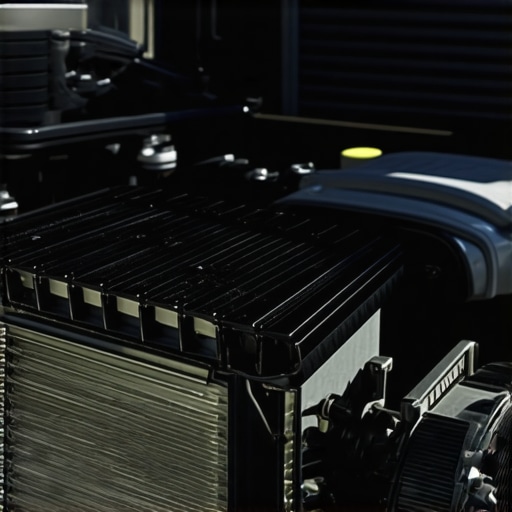
Ever been in a rush, hop out of your car, only to realize that the engine fan is still whirring away? It’s a weird, almost unsettling experience, isn’t it? I remember the first time it happened to me, thinking I forgot to turn something off or that my car was about to overheat while parked. It took a bit of digging to understand that it’s usually a normal part of how your vehicle manages engine temperature, but it can also signal underlying issues. Today, I’ll share my personal insights into why this happens and how you can tell whether it’s just a quirk or a sign that something needs fixing.
How Your Car Keeps Cool Even When Off
Have you noticed that your engine fan sometimes won’t stop running even after you’ve shut off the ignition? Well, this isn’t just an oddity; it’s your car’s way of ensuring the engine cools down properly, especially after a hard drive or a hot day. Modern vehicles are designed with sophisticated cooling systems that sometimes need extra time to dissipate heat. The fan runs to prevent overheating that could damage critical engine components.
But here’s the thing—if the fan keeps going for an unusually long time or kicks on frequently, it might be a sign of something more than just routine cooling. For example, a malfunctioning coolant temperature sensor or a failing relay can cause your fan to stay on or cycle more often than necessary. It’s a bit like sweating more than usual when it’s not hot—your body’s way of trying to cool down, but sometimes it’s a sign of a problem.
**Have you experienced your fan running excessively after parking?** If so, you’re not alone, and it’s comforting to know that understanding the cause can save you both time and money.
Is Your Car Fan Issue Worth Worrying About?
Honestly, one of the biggest mistakes I made early on was ignoring a fan that seemed to run constantly. I thought it was a minor issue or maybe just an environmental factor. But over time, I learned that persistent fan activity could signal deeper problems, like a sticky relay or a damaged temperature sensor. Delaying a check-up could lead to more expensive repairs down the line, such as overheating or strain on your cooling system.
According to automotive experts, problems with cooling fans are among the most overlooked issues that lead to engine overheating and damage. So, if this odd fan behavior has been bugging you, it’s better to troubleshoot sooner rather than later.
I’ll guide you through some practical steps to diagnose whether your engine fan’s behavior is harmless or needs professional attention. Keep reading, and let’s get to the bottom of this common but sometimes confusing car quirk.
Check Your Coolant Levels Immediately
Start by inspecting your coolant reservoir—if it’s low, the fan may run longer to compensate. Open the hood, locate the translucent tank, and verify the coolant level against the marked indicators. If it’s below the minimum, top it up with the recommended antifreeze mixture. I once neglected this, and my fan kept running, leading me to replace an unrelated sensor unnecessarily.
Test The Cooling Fan Manually
Next, locate the cooling fan relay—usually found in the fuse box under the hood. Remove the relay and connect a 12V power source directly to the fan plug. If the fan spins freely, the issue likely isn’t the motor itself but the control system. Remember, using a battery jumpstart method like this mirrors how you might jumpstart a stalled battery, but for your fan motor, to isolate the fault.
Inspect and Replace Faulty Sensors
The coolant temperature sensor tells your car’s computer when to turn on the fan. If faulty, it can cause the fan to run constantly or not at all. Use a multimeter to test the sensor’s resistance at different temperatures. A quick way to troubleshoot issues with this sensor is to consult your vehicle’s manual for values. A failed sensor often mimics symptoms of a bad relay but with less obvious signs—so don’t skip this step.
Examine and Swap Out Relays
Relays are like switches in a water sprinkler system; if they stick, they cause continuous operation. Find the relay marked for the cooling fan, remove it carefully, and swap with a similar relay from another system, such as the horn. Turn on the ignition and see if the fan behavior changes—if it does, replace the faulty relay. It’s akin to switching a circuit breaker in your home—if the problem moves, you’ve identified the source.
Check Wiring for Corrosion or Damage
Damaged wires can cause inconsistent signals, leading to fan malfunction. Visually inspect the wiring harness connected to the fan, sensors, and relays. Look for corrosion, frayed insulation, or loose connections. Use a wiring diagram of your vehicle to trace and test continuity with a multimeter. I once discovered a cracked wire on my old car, which was causing erratic fan operation and was fixed with quick soldering and insulation.
Perform a Software Reset or Update
If all hardware checks out, the issue might be electronic. Some modern cars require a ECU reset, which can often be done by disconnecting the battery terminals for a few minutes. This resets control modules, clearing glitches that might keep the fan running unnecessarily. Think of it as rebooting a sluggish computer—sometimes, a simple reset restores normal function.
Consult Professional Assistance When Necessary
If none of the above steps resolve the issue, it could be a more complex problem, like a faulty module or a deeper electrical fault. In such cases, visiting a qualified mechanic is advisable. Remember, diagnosing and fixing car cooling systems is like tuning a finely balanced instrument—it requires precision and patience, but knowing these steps can save you money and prevent future overheating issues.
Many car owners operate under outdated or inaccurate beliefs about auto repair, which can lead to costly mistakes. One widespread myth is that all engine repairs require expensive substitutions, but in reality, understanding the nuances—such as diagnosing before replacing parts—can save you a lot of money. For instance, a misdiagnosed transmission issue might seem like a simple fluid change, yet the root cause could be a failing sensor or solenoid. Those advanced issues require a keen understanding that goes beyond the routine service.
A common trap many fall into involves the misconception that regular tune-ups are unnecessary unless the car shows symptoms. But, in expert opinion, preventive maintenance like timely spark plug replacements and fluid flushes can prevent major breakdowns. Ignoring subtle signs—like fluctuating idle RPMs or slight transmission slips—can escalate into severe problems if not caught early.
<>
An often overlooked nuance is the importance of paying attention to how different components interact during repairs. For example, a faulty cooling fan relay might seem like a minor electrical glitch but can cause your transmission to overheat or trigger a check engine light, complicating diagnostics. Being aware of these interconnected issues can streamline repairs and reduce guesswork.
Many believe that professional diagnostics are always the most reliable, but with the right tools and knowledge, some issues can be accurately identified at home. Using resources like detailed wiring diagrams or reading expert guides can help you avoid unnecessary shop visits. However, beware of the “Oops” moment: attempting complex repairs without proper training can lead to further damage or safety hazards. This is especially true when working on critical systems like the transmission or collision repair components.
For example, misapplying a fluid or neglecting the specific type required for your vehicle can cause more harm than good. Always consult your owner’s manual or expert guides—like the detailed steps in collisionfixer articles—to ensure you’re making the right choice. Sometimes, the real challenge lies in recognizing when a problem is beyond DIY scope; for advanced concerns like transmission shudder or internal sensor failures, professional assistance is invaluable.
And here’s a valuable tip: many auto shops tend to recommend unnecessary services to inflate the bill. To avoid falling into this trap, educate yourself on typical maintenance schedules and signs of genuine issues. For further insight into avoiding overcharging after a full car service, check out this [comprehensive guide](https://collisionfixer.com/5-pro-tricks-for-removing-deep-scratches-at-home).
Finally, if you find yourself puzzled by persistent engine or transmission problems, don’t hesitate to explore in-depth diagnostics or seek help from seasoned technicians—either online or in person. Remember, the devil is in the details, and knowing these subtle distinctions can save you a lot of time and money. Have you ever fallen into this trap? Let me know in the comments.Maintaining your vehicle’s performance over the long haul requires investing in quality tools and adopting effective practices. From diagnosing tricky transmission issues to ensuring your collision repairs last, having the right equipment can make all the difference. Personally, I swear by a high-quality digital multimeter—it’s indispensable for checking sensors and wiring, especially when troubleshooting complex electrical problems like faulty relays or sensors. Additionally, a reliable scan tool, such as the Autel MaxiCOM series, allows me to read and clear error codes precisely, saving time and avoiding unnecessary part replacements.
For routine maintenance, I always keep a torque wrench with a calibrated scale. Correct torque application is critical, especially when working on suspension components or steering systems—as a misfire here can cause long-term damage or uneven tire wear. I’ve also found that a set of fine-tip screwdrivers and a flexible inspection mirror help reach tight spaces during inspections or repairs, making tasks smoother and less frustrating.
When it comes to software solutions, I prefer using manufacturer-specific diagnostic software alongside universal tools. For example, the OBDLink MX+ paired with app platforms provides real-time live data, enabling me to monitor vital parameters like coolant temperature or transmission fluid temperature during operation—key metrics when diagnosing issues like an engine running hot or transmission slipping.
Looking ahead, I see AI-powered diagnostic apps becoming increasingly popular. They will analyze sensor data, driving patterns, and repair histories to suggest probable causes before you even open the hood, streamlining the repair process even further.
How do I keep my tools performing over time?
Regular calibration and maintenance are essential. For instance, a torque wrench requires periodic calibration—many service centers offer this for a modest fee. Keeping your multimeter’s batteries fresh and test leads clean ensures accurate readings, critical when troubleshooting sensitive components like vehicle sensors or wiring harnesses.
Another tip is organizing your tools effectively—using labeled cases or foam inserts in a toolbox prevents loss and reduces repair time. I also recommend maintaining an inspection log for your tools, noting calibration dates and repairs, so you know exactly when each piece was last serviced.
For those tackling more advanced repairs, investing in a dedicated pit mat for draining fluids like oil or transmission fluid helps manage spills and keeps your workspace tidy. Plus, it protects your garage floor from corrosive substances. Remember, tools are an extension of your skill set; caring for them prolongs their lifespan and ensures accurate results.
As you build your toolkit, explore resources like Collision Fixer—it’s packed with expert tips on DIY repairs that save money and extend your vehicle’s life. For instance, if you’re working on your car’s cooling system, check out this guide on flushing the radiator without the mess to ensure long-term performance.
Finally, don’t hesitate to try one advanced tip—like using a digital multimeter to test your coolant temperature sensor’s resistance at various engine temperatures. This straightforward test can prevent unnecessary component replacements and keep your engine running cool, especially during the hot summer months. Armed with the right tools and techniques, you’ll be better equipped to maintain your vehicle’s reliability and safety every day.
What I Wish I Known About Always-On Fans and Hidden Auto Gems
One of the most eye-opening lessons I’ve learned is that persistent engine fan activity often hides more than just a minor glitch—it’s a window into your car’s health. Realizing that a constantly running fan might signal a faulty coolant sensor or a sticky relay changed the way I approach maintenance, turning minor annoyances into opportunities for proactive fixes.
I also discovered that routinely checking coolant levels and wiring isn’t just routine—it can prevent costly engine overheat scenarios. Knowing when to test sensors or swap relays saved me from costly repairs and gave me confidence in DIY diagnostics. These insights instilled a deeper respect for the intricacies behind a seemingly simple issue, proving that patience and curiosity pay off on the road.
What Tools Help Me Stay Ahead of Car Troubles
My essential toolkit includes a reliable digital multimeter—the true unsung hero for troubleshooting sensors and wiring. Pairing that with a quality scan tool, like the Autel MaxiCOM, allows me to cut through the noise of error codes and get to the root cause fast. I also keep a calibrated torque wrench for safe component assembly and a flashlight for those tight inspections. Investing in these tools transformed my approach from guesswork to confidence, especially when diagnosing complex electrical issues or ensuring long-lasting repairs.
If you’re aiming to elevate your DIY skills, exploring dedicated resources such as Collision Fixer offers invaluable tips, like safely flushing your cooling system or testing your alternator’s performance at home. These guides bridge the gap between amateur fix-it and professional precision, empowering you to keep your car performing its best.
Embrace the Journey of Car Ownership
Taking charge of your vehicle’s maintenance isn’t just about fixing problems—it’s about fostering a sense of confidence and independence behind the wheel. Remember, every troubleshooting session refines your intuition and skill, making you less reliant on guesswork or shop visits. So, grab your tools, trust your instincts, and turn those auto mysteries into victories. After all, your car’s health is a reflection of your commitment to care and learning.
Have you ever caught a small issue before it became a big problem? Share your experience below and let’s keep the conversation going!
,