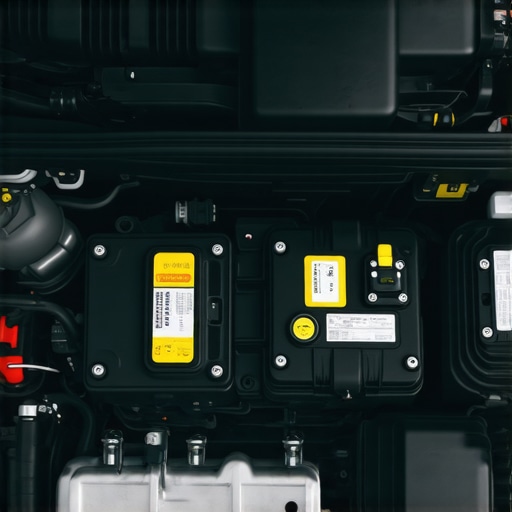
It hit me last winter, as I sat shivering in my driveway, watching my car refuse to start despite a full tank and a decent battery. That sinking feeling knowing that the cold had taken an extra chunk out of my car’s battery life. After so many frustrating mornings, I finally realized something: cold weather isn’t just uncomfortable for us, it’s a sneaky villain that drains your vehicle’s battery faster than you can blink. And that’s a problem many of us face, especially in the dead of winter when your car becomes more of a liability than a trusty partner.
Why Cold Weather Sabotages Your Car’s Battery
Cold temperatures slow down the chemical reactions inside your battery, reducing its capacity and making it harder for your engine to crank. According to the Battery Council International, cold weather can reduce a battery’s capacity by up to 50%. That’s no joke. Even if your battery seems fine in milder weather, the chill can cause it to falter just when you need it most.
I used to think my battery was just aging or poorly maintained, but I missed the bigger picture. The big mistake I made early on was ignoring the warning signs of a weak battery. I assumed that an older battery was the culprit without considering the external factors—the cold was silently sapping its strength. If you want to avoid being stranded, understanding how cold weather affects your battery is step one.
Have you ever faced a morning where your car hesitated to turn over, and just as you were about to leave, it kindly refused? That’s super common, and the good news is, with a few simple tricks, you can give your battery a fighting chance this winter.
Next, I’ll share practical steps that have helped me keep my car running smoothly during the coldest months—no more unexpected stalls or calls for roadside assistance. And yes, it’s easier than you think. But first, let’s address some common fears and misconceptions that might be holding you back.
Ensure Your Battery Is Ready for Winter
Start by inspecting your battery’s current health. Disconnect the negative terminal first, then the positive, and remove the battery for testing. Use a multimeter to check voltage; a healthy battery should read around 12.6 volts when fully charged. If it’s below 12.4 volts, consider replacing it before winter hits.
Perform a Quick Load Test
Connect a load tester to your battery to simulate starting conditions. This step is crucial because it shows whether your battery can handle cold starts without faltering. I once skipped this, and on a freezing morning, my car refused to start. Afterward, I learned that a simple load test could save hours of roadside stress.
Check and Clean Battery Terminals
Corrosion on terminals creates resistance, worsening cold-weather performance. Use a mixture of baking soda and water to scrub away corrosion with a wire brush. After cleaning, apply a thin layer of petroleum jelly to prevent future corrosion. Regular maintenance like this keeps your connections solid during harsh weather.
Upgrade Your Starting System
If your battery passes tests but your engine struggles in cold, your starter or wiring might be underperforming. Consider installing a remote starter or upgrading wiring to thicker gauge cables. I added a remote starter myself, allowing me to warm up the engine beforehand, which made the cold mornings much more manageable.
Use a Battery Warmer or Insulation
Invest in a battery blanket — an affordable and effective solution to keep your battery at optimal temperature. Simply wrap it around your battery and plug it in during cold nights. During a particularly brutal winter, this kept my battery from losing charge, and I noticed cranking was much smoother each morning.
Manage Your Vehicle’s Power Consumption
Limit electrical loads before starting your engine. Turn off non-essential electronics like heated seats and high-beam headlights. This reduces the strain on your battery during cold starts. I learned this the hard way when leaving my headlights on overnight, resulting in a dead battery the next morning. Proper power management extends your battery’s lifespan.
Stay Prepared with Quick Repairs
Even with preventive measures, issues can arise. Know how to test your transmission for smooth shifts and keep tools handy for minor repairs. For instance, I once noticed my car hesitated shifting gears, indicating a potential transmission problem. Quick diagnostics helped me avoid a costly repair and kept me on the road during winter.
To further understand your vehicle’s health, explore how to test your used car’s transmission in just five minutes—it’s a simple process that can save you from unexpected breakdowns. Regular inspections, like checking for blown struts or loose bushings, also keep your vehicle running reliably on cold days. Learn more about identifying worn suspension parts here.
Many car owners and even seasoned DIYers fall prey to misconceptions that can lead to costly mistakes. One of the most common myths is that a simple oil change is sufficient for vehicle maintenance. In reality, neglecting comprehensive inspections can cause unnoticed issues to compound, leading to expensive repairs down the line. For instance, relying solely on high-mileage oil additives without understanding their limitations might give a false sense of security—studies show these additives offer minimal long-term benefits when used improperly. Another widespread error is believing that trained mechanics always recommend the most profitable services, but behind the scenes, some shops might guess or oversell rather than diagnose accurately. Want to avoid being duped? Learning how to test your used carâs transmission in just a few minutes can help you identify serious issues early, saving you money and headaches.Keeping your vehicle in top shape over the years requires precision, the right equipment, and a few insider methods. One indispensable tool I rely on is a high-quality scan tool like the BlueDriver Bluetooth Pro OBD2 Scanner. It connects seamlessly to my smartphone, allowing me to monitor engine performance, check for emissions codes, and even clear minor fault codes without a trip to the shop. I personally prefer it over generic code readers because of its detailed diagnostics and user-friendly interface, which saves me money and gives peace of mind.
For ongoing maintenance, I recommend investing in a quality torque wrench, such as the Tekton 1/2-inch drive model. Applying the correct torque—especially when tightening critical components like cylinder head bolts or wheel lug nuts—ensures longevity and prevents costly issues down the line. When I service my suspension, I use this wrench to tighten strut mounts to the manufacturer specs, which I verify through detailed guides found on Collision Fixer’s site.
Preemptive diagnostics are key, so I also utilize a UV flashlight to spot leaks and corrosion early. It’s especially useful for checking electrical connections and battery terminals—corrosion isn’t always visible to the naked eye, but a UV light reveals problematic residues that can cause electrical issues or starting problems in winter. I check my battery terminals regularly, applying a protective spray afterward to prevent future buildup.
Long-term results in auto repair hinge on a proactive mindset. I follow a seasonal maintenance schedule that includes fluid checks, filter replacements, and visual inspections of belts and hoses, guided by detailed service intervals outlined in repair manuals. This approach helps me catch issues before they escalate into engine failures or transmission problems. Speaking of transmission, I recommend learning how to perform a quick but effective transmission health check; you can see the procedure in detail at this link: https://collisionfixer.com/how-to-test-a-used-car-transmission-in-5-minutes.
Scaling your car care environment is also important. Upgrading your garage with a hydraulic lift, for example, allows easier access to undercarriage components, making tasks like inspecting the underside of your transmission or replacing a fuel filter much more manageable. When I fitted my garage with a mid-rise lift, routine checks became faster, and I could address issues more comprehensively.
So, how do I maintain my car’s core systems over time? Regular diagnostics combined with tailored tools ensure reliable performance and extend the lifespan of everything from the engine to the transmission. For instance, I make it a point to test my used car’s transmission every six months, which reveals early signs of wear—saving me costly repairs later. If you’re ready to step up your maintenance game, I highly recommend trying out a professional-grade scan tool and committing to proactive inspections, because preventing is always better than repairing.
The Hardest Lesson I Learned About car service,tune up,auto repair,collisionfixer,transmission
One of the most eye-opening moments in my car maintenance journey came unexpectedly during a freezing winter morning. My car hesitated, struggled, and finally refused to start despite a full tank and seemingly healthy battery. That morning taught me that even seemingly minor issues could become major headaches when the cold hits hard. It reinforced the importance of proactive winterizing and recognizing early warning signs, rather than waiting for a breakdown.
Another critical lesson was understanding that not all batteries age visibly. I used to think a battery’s age was the only factor, but I learned that external factors like temperature fluctuations and improper maintenance play significant roles. Regular inspections, testing, and maintenance can save you from being stranded unexpectedly, especially when factoring in winter’s brutal unpredictability.
Furthermore, I realized the vital importance of investing in quality tools and resources. Using simple diagnostic tools like a multimeter or a scan tool can reveal hidden issues before they escalate. Paying attention to small details—such as corrosion on terminals or loose connections—can make a substantial difference. Preventive measures combined with proper knowledge truly empower you to keep your vehicle reliable through any season.