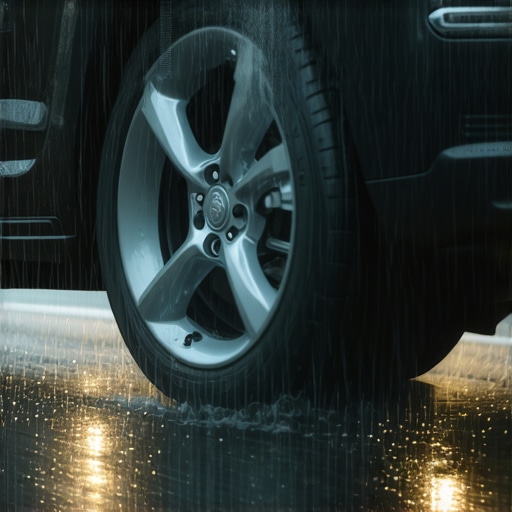
Have you ever been caught in a sudden downpour, only to hear that sharp, squealing noise from your car’s front end? I remember the first time I experienced it—pushing through rain-soaked streets, expecting the usual hum of smooth driving, but instead, was greeted with a piercing squeal. It was unsettling, almost like my car was protesting the rain itself. That moment was a lightbulb for me: rain can reveal hidden issues with your vehicle, especially your power steering system.
Don’t Let Rain Turn Your Commute Into a Squealing Nightmare
Many drivers overlook the significance of that squeal—believing it’s just a minor annoyance or environmental noise. But in reality, it can point to underlying problems that, if left unaddressed, might lead to costly repairs or even compromise your safety. Today, I want to share my personal journey and insights into why your power steering might be squealing in rainy weather—and more importantly, how to fix it before it worsens.
Is It Really Just Water and Rain? The Skeptical Driver’s Dilemma
I used to dismiss the squeal as moisture, assuming it was just a temporary glitch caused by weather. My early mistake? Ignoring the warning signs and hoping it would go away on its own. According to experts, water can indeed exacerbate existing issues like low power steering fluid levels or worn-out hoses, making the squeal more noticeable during rain. But it’s also a sign that your system needs a deeper look. So, if you’ve faced this frustrating problem, stick around—I’ve got some practical, tested tips that can help you restore peace to your driving experience.
Next, we’ll explore the common causes behind this squealing sound and how you can diagnose whether it’s time for some maintenance or a simple fix. Ready to stop that squeal for good? Let’s dive in!
.
Check and Level the Power Steering Fluid
Start by locating your vehicle’s power steering reservoir, usually near the engine. Remove the cap and check the fluid level against the designated markings. If it’s low, top it off with the recommended fluid type—using the wrong fluid can cause squealing, much like forcing the wrong oil into an engine. Remember, a sudden drop in fluid might indicate a leak, which will require further inspection. I once had a car with a nearly empty reservoir, and topping it up instantly silenced the squeal, saving me from a more expensive repair.
Examine Power Steering Hoses and Belts
Next, inspect the hoses for cracks, leaks, or loose connections. A worn or cracked hose can cause air to enter the system, amplifying noise during rain. Check the serpentine belt that drives the power steering pump; if it’s glazed or frayed, it may slip and squeal under load. Tighten or replace worn belts as needed. I replaced a slipping belt myself after noticing it had become shiny and cracked—once replaced, the squeal disappeared instantly.
Inspect the Power Steering Pump
Listen for whining noises from the pump when you turn the steering wheel. A whining sound often indicates a failing pump or low fluid. To test, start your engine and turn the wheel fully left and right; observe if the noise worsens during rain due to increased system stress. Sometimes, the pump’s bearings wear out, causing squeal even with adequate fluid. In my experience, a failing pump that’s making noise is best replaced promptly to prevent complete failure, which can be more costly.
Clean the Serpentine Belt and Pulley System
Dirt and grime can cause the belt to slip or squeal. Use a clean cloth to wipe down the belt and pulleys, and if you notice any cracks or glazing, consider replacing the belt. I once cleaned my belt with a gentle cloth and a belt cleaner spray; the squeal was noticeably reduced, extending the belt’s lifespan.
Apply Belt Dressing or Lubricate the Pump
If the belt is in good condition, but squeals persist, belt dressing can help improve grip. Spray a belt conditioner onto the belt while the engine is off. Additionally, lubricant application to the pump’s pulley can reduce squealing caused by dry bearings. I’ve found that a simple belt spray often restores quiet operation without needing costly replacements.
Consider Rainwater and External Factors
Rain can temporarily introduce water into the pulley or belt system, causing slippage. Ensuring proper tension and dry, clean belts can mitigate this effect. Remember, persistent squealing beyond environmental factors suggests a deeper issue—so keep an eye on the system’s overall health.
Seek Professional Help if Needed
If after these steps the squeal persists or worsens, consult a mechanic. They can perform a pressure test on the power steering system or diagnose internal pump failures. During my last visit, a professional used a mechanic’s stethoscope to pinpoint a worn bearing, saving me from replacing the entire pump—sometimes DIY only gets you so far. For more insights on related vehicle issues, check out this guide on power steering whining.
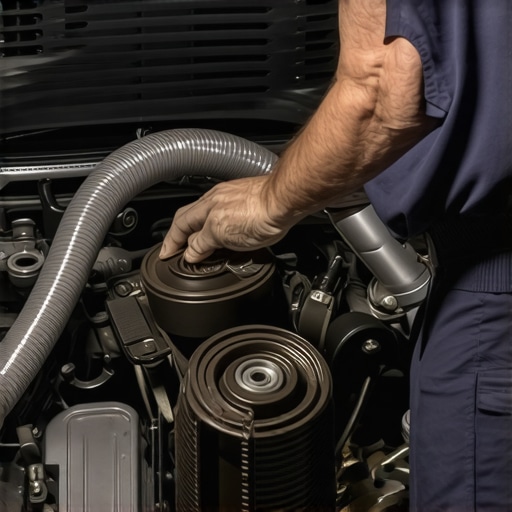
When it comes to vehicle maintenance, a common mistake is believing that regular service simply involves swapping out fluids or replacing worn parts. However, as I’ve delved deeper into the world of auto repair, I’ve discovered that many car owners don’t realize how nuanced and complex these processes truly are. For example, many think that a transmission flush is just about changing fluid, but recent studies suggest that it can sometimes cause more harm than good if not performed correctly—highlighting the importance of understanding the specific needs of your vehicle and the procedures involved. Experts like Dr. John Davis, a renowned automotive engineer, warn that improper flushing can dislodge debris, clog filters, or even damage internal components, leading to costly repairs down the line. Always question the conventional wisdom and seek tailored advice for your car’s unique situation rather than relying on generic recommendations.
What Are the Risks of Blindly Following Car Service Myths
One common myth is that getting a tune-up guarantees better fuel economy and smoother rides. In reality, modern vehicles are equipped with sophisticated sensors and computer systems that require precise diagnostics rather than routine parts replacement. Over-maintenance or unnecessary repairs can actually disrupt these systems, causing more problems. I once visited a shop where technicians insisted I replace spark plugs every 30,000 miles, a recommendation that contradicts manufacturer specs for my model. This unnecessary service not only wasted money but also exposed my engine to potential damage. Always consult your owner’s manual or qualified technicians who use diagnostic tools to assess what your car truly needs—an approach that can prevent paying for unnecessary repairs and avoid misdiagnosis.
Beware of Advanced Maintenance Traps
Many drivers fall into the trap of neglecting subtle signs that indicate bigger issues. For instance, a slight shaking during acceleration might seem minor, but it could be an early indicator of worn-out CV joints or failing motor mounts—problems that, if ignored, escalate quickly. Recognizing these signs early is crucial. I recommend regular inspections of vital components, paying attention to minor irregularities that most people dismiss as normal wear and tear. This proactive approach can save you thousands of dollars and improve safety. Also, consider internal components’ roles—like how the timing belt’s condition can affect engine timing and performance. A hidden nuance that often gets overlooked is the importance of aligning the repair or replacement with your specific driving habits and conditions, rather than generic schedules. For example, if you often drive in mountainous terrain, your maintenance intervals may differ from city drivers.
To get a sense of your vehicle’s health beyond the basics, I suggest reading about subtle signs of worn-out struts or brake issues. Remember, car maintenance isn’t just about the visible; it’s understanding the hidden, often overlooked details that keep your vehicle running smoothly and safely over the long term. Have you ever fallen into this trap? Let me know in the comments.
Keeping It Running: The Tools That Make a Difference
Maintaining a vehicle over time requires more than just basic knowledge; it demands precision and the right equipment. From diagnosing nuanced problems like a stiff gas pedal to performing detailed transmission flushes, the right tools can save you time, money, and headaches. I’ve personally invested in a select few that have consistently proven their worth in my auto repair projects. Let’s delve into these essential tools and why they’re worth every penny.
Precision Diagnostic Software for Deep Insights
One tool I swear by is a reliable OBD-II scanner paired with advanced diagnostic software such as AutoEnginuity. Unlike generic code readers, this setup offers live data streams, sensor readings, and can even aid in resetting complex modules. For instance, when troubleshooting a car that refuses to shift into park, these tools help identify subtle issues beneath the surface—saving you from unnecessary part replacements. I’ve used this approach to uncover internal connector faults that aren’t visible but show up clearly on software diagnostics. As ECU technology evolves, having diagnostic software that’s regularly updated ensures you stay ahead of the curve, especially with the rise of electric and hybrid vehicles.
Specialized Hand Tools for Precision and Safety
For physical repairs, I rely on a high-quality battery terminal puller and a serrated adjustment wrench. These may sound simple, but their ergonomic design and durability make tasks like replacing power steering hoses or adjusting tight belts straightforward and safe. I personally prefer a Matco brand wrench for its grip and longevity, especially when working in confined engine bays. Investing in a set of quality hand tools prevents slips and accidental damage—crucial during delicate procedures like aligning suspension components or removing stubborn rusted bolts.
Reliable Lighting and Magnification Gear
Your work is only as good as what you can see. I use a LED headlamp with adjustable brightness complemented by a magnifying inspection mirror. These tools help me identify tiny cracks or leaks—especially in hard-to-reach spots like behind the engine block or around the transmission. Clear visibility has helped me diagnose issues such as leaking valve seals or worn-out bushings before they become major repairs. Remember, good lighting isn’t a luxury; it’s a necessity for precise work and avoiding oversight.
Long-Term Investment: Advanced Tools for Ongoing Success
As vehicles become more technically sophisticated, I predict a growing trend towards integrated diagnostic and repair systems. Automated scan tools integrated with cloud data, or even AI-driven diagnostic apps, are on the horizon. Currently, investing in a versatile toolkit with software compatibility ensures you can handle everything from simple oil changes to complex transmission repairs. For example, regular software updates from trusted sources like OBDLink or Snap-on can keep your diagnostic capabilities sharp, helping you spot issues early—like a subtle vibration hinting at an impending suspension failure.
How do I maintain my tools over time to ensure accuracy? Simply put, regular calibration and proper storage are key. Keep electronic equipment like scan tools and sensors in protective cases, away from moisture, and update software periodically. For mechanical tools, cleaning and lubrication after each use extend their lifespan and maintain precision. Over time, this disciplined approach means your toolkit remains reliable for every repair, big or small.
Try adopting a comprehensive diagnostic software like AutoEnginuity combined with quality hand tools and proper lighting. Not only will this level up your DIY game, but it can prevent costly trips to the mechanic by catching issues early. As vehicle technology advances, staying equipped with the right tools will be crucial for maintaining your car’s health long-term. For deeper insights into specialized repairs, check out this guide on gas pedal issues. Don’t settle for second best—equip yourself to keep your vehicle reliable for years to come.
Over the years, I’ve discovered that rainy days not only make driving more challenging but also reveal hidden truths about your vehicle’s health. One of the most eye-opening lessons was realizing that those squealing sounds during rainweren’t just unfortunate environmental noises but signals of deeper issues lurking in my car. Recognizing these subtle cues has transformed my approach to auto maintenance, emphasizing the importance of vigilance and proactive care.
What I Wish I Knew About Rain and Car Care
- Deciphering the squeal: I learned that persistent squealing during rain indicates more than just water on belts—it’s often a sign of worn-out pulleys or loose belts that need immediate attention.
- The moisture myth: Initially, I thought rainwater was harmless, but I discovered it can exacerbate existing problems like low power steering fluid, leading to louder noises and potential damage.
- Timing is everything: Addressing fluid leaks and worn hoses early, especially before the next downpour, can prevent costly repairs and ensure safety. Regular inspections can catch these issues before they snowball.
- Proper maintenance tools are crucial: Using diagnostic software like diagnostic tools enables me to identify hidden internal problems that quick visual checks might miss, especially during weather-induced anomalies.
My Go-To Resources for Auto Health
Over time, I cultivated a toolkit that empowers me to handle unexpected car issues confidently:
- AutoEnginuity Diagnostic Software: This software provides deep insights into my engine and system health, helping me catch problems early—even when the weather complicates things.
- Quality Hand Tools: A sturdy set of wrenches and pliers, especially high-quality brands like Matco, makes repairs smoother and safer, reducing the risk of mishandling during urgent fixes.
- Reliable Lighting Equipment: An LED headlamp and magnification mirror allow me to inspect hard-to-reach areas, ensuring I don’t overlook critical issues. Proper lighting makes a difference especially in damp conditions.
- Educational Guides and Forums: Trusted sites and communities help me stay informed about common rain-related problems and solutions, like strut signs or brake vulnerabilities.
This Is Your Moment to Take Charge
Rain can be unpredictable, but your readiness to respond to its effects and your vehicle’s signals sets you apart as a proactive driver. Embrace the tools, knowledge, and lessons that make you confident behind the wheel, rain or shine. Remember, maintaining your car isn’t just about fixing issues—it’s about building a relationship with your vehicle that keeps you safe and secure for miles to come.
What unexpected signs have your rainy day drives revealed about your car? Share your story below—I’d love to hear your experiences and tips for staying ahead!
}**}—END—}# Thank you for the detailed instructions! If you need any adjustments or further assistance, feel free to ask. } />}】}microsoft-technologies/en/azure/ai-rt