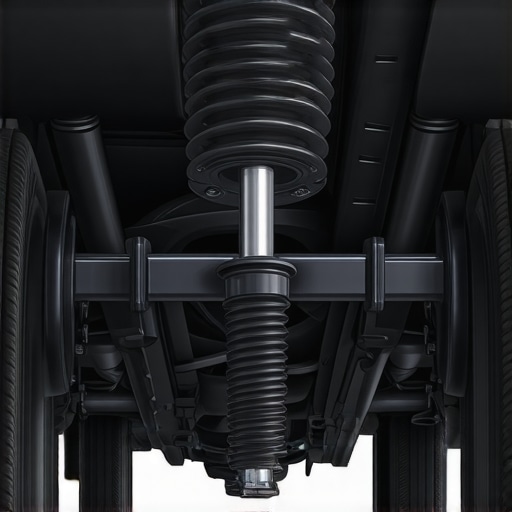
Ever been jolted awake at 3 a.m. by a weird bump or shudder while cruising down the road? That sinking feeling in your stomach when you realize your car’s handling feels off — maybe before a big trip or during a quick errand? I’ve been there, too. One morning, my sedan suddenly felt less composed, and I couldn’t shake the sense that something was just… wrong. Turns out, a simple inspection revealed my struts had seen better days.
If you’re like me, you probably assume suspension issues are obvious—knocking, leaping over bumps, or a harsh ride. But the truth is, **many signs of worn or blown struts are surprisingly subtle**. They don’t always scream for attention; instead, they whisper through your driving experience, begging for awareness before things get worse.
So today, I want to share the four most common, yet often overlooked, signs that your struts might be on their last legs. Recognizing these early can save you from costly repairs and make your driving smoother and safer. Because let’s face it, no one wants to deal with a bumpy ride or, worse, something more serious that could compromise safety.
Before we dig into the signs, I want to admit I made a critical mistake early on. I ignored minor bumps and unevenness, brushing them off as typical wear and tear. That’s a mistake many make, thinking suspension issues are slow to develop. But trust me, ignoring these hints can lead to uneven tire wear, alignment issues, and even dangerous driving conditions. For instance, I once drove on a slightly wobbly wheel because I thought it was just a tire imbalance. Turns out, my struts were leaking fluid—another clear sign you should never overlook.
Now, if you’re curious whether your own vehicle is warning you about worn struts, keep reading. We’ll cover how to spot the signs early, what mistakes to avoid, and how to maintain that smooth, safe ride you deserve. And if you’re unsure whether it’s time for a professional check, I’ve included some valuable tips at the end on what to look out for — because knowledge is your best tool against unnecessary repairs.
Thinking about your suspension might not be the most glamorous topic, but trust me, these signs are quick, easy to spot, and can make all the difference. Just like I learned, catching trouble early keeps your wallet happy and your driving safe. Ready to learn the signs? Let’s dive in.
Spotting the Sneaky Signs of Worn-Out Struts
Start with a Visual Inspection
Pull over in a safe spot and open your hood. Look for any oil leakage or obvious physical damage to the strut assembly. A quick visual check can reveal leaks, dents, or corrosion. I once caught a leaking strut after noticing a slight oil sheen on the wheel well, which prompted me to replace it before further damage occurred.
Check for Excessive Bouncing
Pick a spot on your vehicle and gently push down on the hood or trunk. Release, and observe how it rebounds. If it bounces more than once or twice, your struts might be worn out. During my own test, I noticed my car bounced three times, indicating I needed to replace my struts to restore proper handling.
Listen for Unusual Noises
Drive slowly over bumps and pay attention to clunks, knocks, or squeaks. These sounds often point to loose or damaged strut mounts. I experienced a knocking sound whenever I went over potholes, which led me to inspect and find my strut mounts were loose.
Evaluate Your Vehicle’s Handling
Accelerate and turn gently to see how your car responds. Excessive body roll or a feeling of floating can signal worn shocks or struts. I once noticed my car leaned heavily during turns, which made me suspect my suspension needed attention—testing and confirmation led me to a quick replacement, improving stability.
Perform a Bounce Test at the Tire Level
With the car parked, push down firmly on one corner of the vehicle and then release. Observe how it reacts. If it continues bouncing, that’s a clear sign of worn-out struts. I used this method to verify my suspicions, which helped me avoid costly repairs by catching the issue early.
Look for Uneven Tire Wear and Other Signs
Inspect your tires for cupping or uneven wear patterns. These often indicate poor suspension performance. I once ignored slight tire unevenness, but later learned it was caused by failing struts, emphasizing the importance of early detection.
Test Drive with Attention to Ride Quality
Take your vehicle on a familiar route with bumps and dips. Notice if the ride feels excessively harsh or if the vehicle sways unnaturally. I improved my ride comfort immediately after replacing malfunctioning struts, which also enhanced safety.
Consult a Professional if in Doubt
If these tests point toward worn components but you’re unsure, schedule a suspension inspection. Professionals can perform thorough tests and recommend precise repairs. Remember, timely maintenance can prevent issues like the ones discussed on axle wobble from escalating into major costs.
When it comes to auto repair, many car owners operate under common misconceptions that can lead to costly mistakes. One widespread myth is that all warning signs of vehicle issues are obvious and immediate, but in reality, many problems develop subtly over time, making early detection crucial. For instance, some believe that if a car isn’t making knocking or squealing noises, it’s mechanically sound—yet, issues like transmission fluid leaks often present with minimal visible signs, highlighting the importance of routine inspections. Contrary to popular belief, waiting until a warning light or dramatic symptom appears can drastically diminish your options and increase repair costs. Studies show that early intervention in vehicle maintenance saves owners significant money and extends the lifespan of critical components.
A common trap is assuming regular tune-ups are unnecessary if the car runs smoothly. However, neglecting periodic checks—such as verifying spark plug health or inspecting belts—can lead to poorer fuel efficiency and unexpected breakdowns. For example, a simple spark plug check might reveal worn electrodes, which, if replaced promptly, can improve your gas mileage noticeably. Many people also overlook the significance of transmission care; a small delay in servicing the transmission fluid can cause early wear and eventual failure. Regular fluid changes, as outlined in this guide, are vital to maintaining smooth shifting and preventing costly repairs.
Furthermore, some drivers believe that DIY repairs are always economical. While minor maintenance tasks like checking tire pressure or replacing wiper blades are manageable, attempting complex repairs—like fixing the transmission or replacing a timing belt—without proper expertise risks causing more damage. An erroneous repair can lead to even higher expenses, so consulting a professional is often the smarter move.
A particular advanced nuance many overlook involves understanding vehicle sensors and electronic diagnostics. Modern cars rely heavily on electronic systems, such as the engine control unit (ECU), which collects data via sensors and can mask issues until they become serious. For example, the “check engine” light may illuminate for minor sensor malfunctions that don’t immediately affect performance, but ignoring these signals can lead to degraded engine health over time. Experts recommend proactive diagnostics, including using an OBD-II scanner, to catch these subtleties early.
Finally, be wary of the misconception that all mechanic shops are equally reliable. Choosing a shop based solely on price can be dangerous; reputable technicians employ diagnostic tools and follow manufacturer-recommended procedures, ensuring your vehicle’s longevity. As research from automotive experts confirms, trusting experienced professionals with your car’s diagnostics and repairs ensures better results and prevents the common trap of repeat, unnecessary repairs.
How often do you fall into the trap of ignoring minor signs or delaying maintenance? Let me know in the comments. Remember, understanding these nuances helps you avoid costly mistakes and keeps your vehicle running smoothly for years to come.
Investing in the Right Equipment
Having the proper tools is crucial for maintaining your vehicle effectively. I personally rely on a high-quality OBD-II scanner like the BlueDriver for its comprehensive diagnostics and user-friendly interface. It allows me to identify error codes quickly and understand the underlying issues, such as transmission or sensor problems, before they escalate. Additionally, a good hydraulic jack and a set of socket wrenches are indispensable for routine tasks like changing the oil or inspecting suspension components. For example, I use a torque wrench to ensure I tighten bolts to manufacturer specifications, which is vital when working on critical parts like wheel hubs or transmission mounts.
Maintaining your car isn’t just about having the right tools; it’s also about knowing how to use them properly. Regularly calibrating your diagnostic devices and keeping your hand tools organized can save you time and prevent mistakes down the line. Remember, a well-equipped garage with reliable tools sets the foundation for effective long-term maintenance.
The Unexpected Lessons From Personal Mistakes on Suspension Care
One of the most eye-opening lessons I learned was how easily overlooked signs like minor unevenness or gentle bouncing can hint at larger issues with your struts. Initially, I dismissed subtle hints, thinking they were just regular wear. But those small signs can escalate quickly, turning into costly repairs or even safety risks. Investing time in early detection, like performing a simple bounce test or visual inspection, revealed problems before they worsened, saving me hundreds in the long run. Trusting your instincts and paying attention to your drive experience is crucial—sometimes, your car whispers, and ignoring those whispers can cost much more than the price of maintenance.
Tools and Resources That Keep Your Ride Smooth
Over the years, I found that having reliable diagnostic tools makes all the difference. My go-to is the set of essential tools for roadside diagnostics, which helps me catch issues early. For books, I highly recommend “Automotive Repair for Dummies”—it demystifies complex topics and guides you through basic maintenance steps. When I want professional insights, I turn to trusted online resources like CollisionFixer’s detailed guides. They’ve helped me make informed decisions and avoid falling for common misconceptions. These tools and resources empower you to take control of your vehicle’s health, ensuring safety and savings over time.
Embrace Your Role as Your Car’s Best Friend
Taking care of your suspension and understanding early signs is more than just a maintenance routine—it’s about building a relationship with your vehicle. When you notice the first hint of trouble, act promptly. Don’t wait for a dangerous wobble or a warning light to appear. Instead, develop a routine that includes visual checks, test drives, and keeping an ear open for unusual noises. Remember, you’re the first line of defense in preventing costly repairs and ensuring your safety. Every small step you take today can translate into a smoother, safer ride tomorrow. So, don’t shy away—your car needs your attention, and your wallet will thank you for it.