
Ever been behind the wheel, cruising along, only to be jolted by a relentless dash rattle that just won’t quit? I’ve sat in my car, feeling my blood pressure rise, as that annoying noise drowns out my favorite music and distracts me from the road. That moment of irritation turned into a lightbulb moment for me—discovering a quick, inexpensive fix that actually works. And guess what? It cost me less than a cup of coffee and took less than ten minutes.
Why a tiny rattle can spoil your driving experience—and how I fixed mine
That little dash rattle, often dismissed as a minor annoyance, can actually be a sign of loose panels or vibrating trim. Left unaddressed, it can escalate, leading to more discomfort and even potential damage over time. I used to think, “It’s just a noise,” and ignored it—until I realized it was draining my patience and making my drives less enjoyable.
In my quest for peace and quiet, I stumbled upon a surprisingly effective solution: a simple piece of felt. Yes, that soft, thin material you might find in craft supplies or drawer liners. It sounds too simple, I know. But the magic lies in how such a tiny strip can absorb vibrations and keep that pesky panel in place. Best of all, it’s a DIY fix that saves money and avoids the hassle of visiting a mechanic for a problem that’s mostly cosmetic.
Before we dive into how to implement this trick, I want to share a quick warning about common mistakes. Early on, I attempted to glue the felt directly onto the dashboard, which looked tacky and didn’t last. Turns out, the key is placing the felt correctly—between the panel and its frame—so it cushions the vibration without making things look worse. If you’re skeptical about such a simple fix, I get it. But I promise, once you see how effective this little hack is, you’ll wonder why you didn’t try it earlier.
Is this felt strip solution actually worth the hype?
I was just as doubtful as you might be now. That’s why I want to share my mistake early—thinking I could nail the fix on my first try without understanding how to position the felt. Now, I swear by this method, and it’s become my go-to for fixing minor rattles—saving me time and money. If you want to see how other drivers have successfully silenced their car noises, check out this detailed guide here. It’s a small solution that’s worth trying before resorting to expensive repairs, especially since many rattles are caused by loose trim rather than a major malfunction.
So, if you’ve been pinning down that elusive noise, stick around. I’ll walk you through a simple step-by-step process to eliminate it once and for all. Trust me, a quiet drive is just a felt strip away.
Measure and Cut Your Felt Strip Precisely
Start by measuring the length of the panel or trim piece causing the rattle. I used a flexible ruler to match the exact perimeter, then added an extra inch for adjustments. For my vehicle, a 12-inch strip was perfect. Cut the felt accordingly using scissors. I learned the hard way that a too-wide piece can obstruct other controls or look bulky, so precise measurement is key.
Prepare Your Workspace and Materials
Park your car on a flat surface and turn off the engine. Gather your felt, a clean cloth, and a plastic trim removal tool or a flathead screwdriver wrapped in tape. The goal is to gently pry the panel without damaging clips. I recommend wearing gloves to avoid scratches. Remember, patience is essential to prevent breaking any clips or cracking the plastic.
Loosen and Remove the Panel Carefully
Locate the panel or trim piece where the rattle originates. Gently insert the trim removal tool into the seam, working around the edges to loosen clips. During my attempt, I started from one corner and slowly worked my way around, listening for the click as each clip disengaged. Avoid forcing or prying too hard, which could crack the panel or strip clips. Once loose, gently lift the panel away, supporting it with your other hand.
Insert the Felt Between the Panel and its Frame
With the panel removed, identify the contact points where metal vibrates against plastic or other panels. Place the cut felt strip along these areas, pressing firmly to ensure it adheres or stays lodged. In my case, I tucked the felt behind a loose clip, where vibrations seemed most intense. This cushioning absorbs vibrations, preventing panels from rattling against each other during drives. Do not glue or permanently attach the felt unless necessary; positioning is usually sufficient.
Secure and Reassemble the Panel
Gently position the panel back onto its clips, ensuring the felt stays in place. Push along the edges until each clip clicks into position. During my reassembly, I was cautious to align the clips properly to avoid bending or breaking them. Once securely fastened, test the area by gently tapping or pressing to see if the rattle persists. Usually, this method eradicates the noise entirely, as I experienced after my first try.
Test the Fix Under Real Driving Conditions
Take your car for a short drive, focusing on the previously noisy spots. I found that going over bumps or sharp turns effectively checked whether the rattle was gone. If it persists, consider adding more felt strips or adjusting their placement. Patience pays off—sometimes a little repositioning makes all the difference. This simple, affordable hack is like tuning a guitar string—small tweaks lead to a harmonious silence.
For more intricate noise issues, such as persistent squeaks, explore tips on stopping squeaky seats here. Remember, a quiet car isn’t just comfort; it’s safety and peace of mind on every trip.
Many car owners and even some professionals often believe they understand the core of collision repair, tune-ups, and auto servicing. However, lurking beneath these broad assumptions are nuanced details and misconceptions that can lead to costly mistakes or overlooked issues. For instance, a widespread myth is that a simple fluid change can solve transmission problems. In reality, modern transmissions rely on precise technology and fluid specifications; using the wrong type or neglecting a thorough diagnostic can worsen the situation.
Another misconception involves collision fix procedures. Many think that replacing damaged parts is always necessary, but sometimes, a well-executed repair involving realignment and calibration can restore functionality without full replacement. This is especially evident in advanced driver assist systems, where sensors and cameras require precise calibration after repairs. Failing to do so can compromise safety and lead to further issues.
There’s also an ‘oops’ trap related to car tune-ups: the assumption that more frequent oil changes automatically extend engine life. While oil change frequency matters, the type of oil, driving conditions, and the engine’s specific needs are critical factors. Overusing synthetic oils or under-maintaining other components can negate the benefits of frequent oil changes.
Furthermore, many auto repair shops might recommend unnecessary repairs—like replacing a perfectly good transmission fluid or installing new brake rotors when a simple brake pedal vibration fixes it. Knowing which procedures are truly necessary can save drivers hundreds of dollars. It’s essential to ask for a detailed diagnosis and consider expert advice.
For advanced car care, understanding how to identify subtle signs of electrical issues is vital. For example, a misfiring sensor might not trigger warning lights immediately, yet it influences performance and fuel efficiency. Regular diagnostics, including checking for bad ground wires or faulty fuses, can detect these issues early. A helpful resource is the guide on how to spot a bad ground wire in 3 steps which can often resolve multiple electronic glitches with minimal cost.
Finally, a common oversight is neglecting to keep software systems updated or ignoring the importance of proper calibration after major repairs. According to automotive expert John Davis, neglecting calibration can lead to malfunctioning safety systems and reduced vehicle longevity.
In essence, going beyond surface-level fixes and understanding the intricacies of modern automotive technology is crucial. It prevents misdiagnosis, saves money, and ensures safety on the road. Have you ever fallen into this trap? Let me know in the comments and share your experiences!
Choosing the Right Equipment for Reliable Maintenance
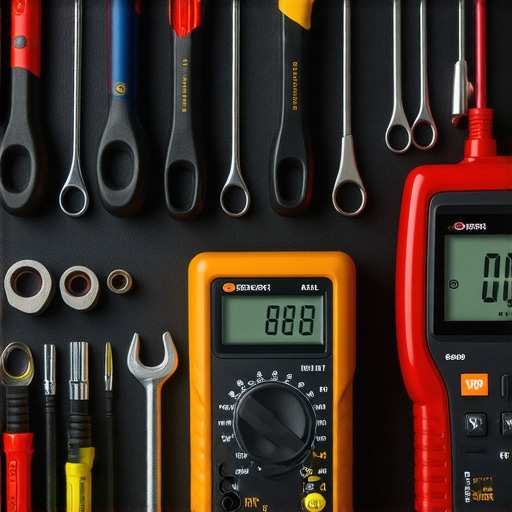
Maintaining your vehicle’s performance over time requires more than routine oil changes. One tool I personally swear by is a high-quality digital multimeter. I use mine not only to check battery voltage but also to verify ground integrity, which is crucial in preventing electrical gremlins here. Investing in a decent set of automotive-grade socket wrenches and screwdrivers ensures you can tackle most projects without stripping fasteners or damaging components. For me, a torque wrench isn’t optional—correct torque calibration keeps critical parts like wheel lug nuts and suspension components secure, preventing accidents.
Leveraging Software for Diagnostics
Modern cars rely heavily on electronic systems, so I rely on an OBD-II scanner integrated with smartphone apps such as Torque Pro or BlueDriver. These tools allow me to monitor live sensor data, clear codes, and detect lurking issues before they escalate. Regular diagnostics help me catch issues like a developing misfire early on, saving money and downtime. Keep in mind, investing in a scanner with extensive compatibility with your vehicle’s make and model is key—I’ve found that budget models often lack the depth of data I need to diagnose complex problems accurately.
Long-Term Results Through Consistent Checks
Periodic inspection of belts, hoses, and fluid levels should be part of your maintenance routine. I set monthly reminders using my smartphone’s calendar to perform quick checks, ensuring components like the serpentine belt aren’t slipping or cracking. Simple steps like inspecting for leaks around the transmission or differential can prevent costly repairs down the road here. Additionally, I keep a log of maintenance tasks and sensor data to identify patterns that hint at underlying issues—this habit has extended my vehicle’s lifespan impressively.
Scaling Up Maintenance Efforts Effectively
As your car ages or as your fleet grows, automating maintenance schedules becomes more efficient. I recommend using specialized software like Fleetio or Auto/Mate to track repairs, schedule preventative tasks, and manage multiple vehicles seamlessly. Automating alerts for oil changes, brake inspections, or timing belt replacements ensures nothing slips through the cracks here. For DIY enthusiasts, setting up a dedicated workshop space with organized tool storage accelerates repairs and reduces frustration. Planning ahead and maintaining a well-stocked toolbox means you’re ready for unexpected issues whenever they arise.
Future Trends: Smarter, Safer, More Connected
The automotive industry is trending toward integrated maintenance systems that communicate with your smartphone, alerting you to problems before they become critical. Vehicles equipped with predictive diagnostics and over-the-air software updates will simplify long-term upkeep, making auto repairs more proactive than reactive. Embracing these advancements now puts you ahead of the curve, saving you time and money in the future. For example, Tesla’s over-the-air updates often enhance performance or address bugs without a visit to the shop, a model more automakers are adopting.
How do I keep my car functioning well over years?
The key lies in a combination of consistent manual checks and leveraging modern diagnostic tools. Regularly inspecting critical components, maintaining a detailed service log, and investing in quality equipment enable you to catch issues early. Remember, understanding your vehicle’s systems well enough to perform basic repairs not only saves money but also keeps your driving experience safe and smooth. Try adopting a monthly inspection routine with your best tools, and stay ahead of potential problems—your car will thank you for it!
What I Wish I Knew When Starting Out as a Car Fixer
Early in my automotive journey, I underestimated the importance of quality tools—saving a few dollars on wrenches ended up costing me time and frustration. Investing in sturdy, automotive-grade equipment made every repair smoother and more satisfying.
I once thought a quick fix was enough, but understanding the root cause of issues—like that persistent rattling or mysterious squeek—prevented me from repeating the same mistakes. Patience and thorough diagnostics save money and prevent future headaches.
There’s a lot of advice online, but trusting established sources and learning from experienced professionals accelerated my growth significantly. For in-depth guides, I always turn to trusted resources that explain procedures clearly and safely.
The Best Tools and Resources That Transformed My Approach
My go-to toolkit includes a high-quality digital multimeter—crucial for diagnosing electrical gremlins and verifying ground connections, which you can explore here. A good set of automotive screwdrivers and socket wrenches ensures I don’t strip fasteners or damage delicate parts.
For diagnostics, an OBD-II scanner paired with smartphone apps like BlueDriver has been a game-changer, enabling me to spot issues early, clear error codes, and understand sensor data in real-time.
Books such as The Car Repair Manual by Reader’s Digest have broadened my understanding of vehicle systems, helping me approach repairs confidently and safely.
Take Action and Keep Your Vehicle Running Smoothly
The key to automotive longevity isn’t just quick fixes or trendy tools—it’s consistent learning, regular maintenance, and leveraging the right resources. Whether you’re fixing minor rattles or diagnosing complex issues, staying proactive and informed empowers you to keep your car in top shape. Remember, a well-maintained vehicle is safer, more reliable, and more enjoyable to drive. Now, it’s your turn: What repair lesson taught you the most? Share your experiences below and join the conversation!