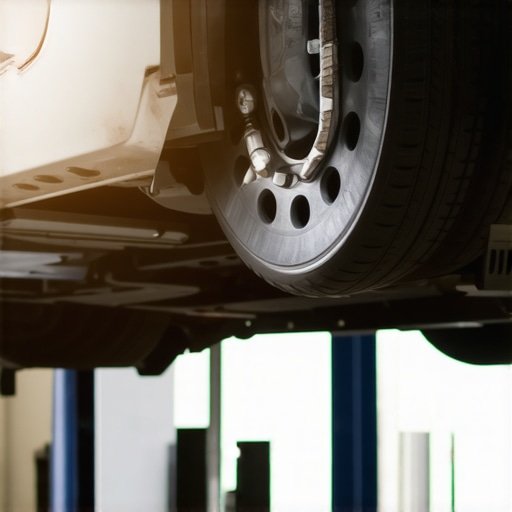
I’ll never forget the first time I experienced that unsettling pulsation through the brake pedal during a quick stop. My heart sank—I immediately thought, “Great, new rotors again!” But after some digging and a little tinkering, I discovered there are effective ways to smooth out that vibration without draining your wallet on new rotors. If you’re tired of the shaky brake pedal ruining your driving experience and want practical solutions that won’t break the bank, you’re in the right place.
Why Your Brake Pedal Vibrates and How to Fix It
Many drivers assume that a vibrating brake pedal automatically means they need new rotors. While warped rotors can cause this issue, there’s a good chance the root cause lies elsewhere—with uneven brake pads, contaminated components, or even issues with the brake calipers. The good news? These problems are often fixable with some attention and don’t require a full rotor replacement. I learned this early on when I mistakenly replaced my rotors twice, only to have the vibrations come back. That taught me the importance of proper diagnosis before throwing parts at the problem.
Is It Actually Worth Trying to Fix This Yourself?
Absolutely. Many of these fixes are straightforward and can be done with basic tools. However, it’s essential to avoid rushing into repairs without understanding the cause. For instance, applying excessive brake fluid or misaligning calipers can lead to more serious issues. Early in my repair journey, I made the mistake of ignoring the importance of properly cleaning components—something I highly recommend you don’t overlook. For more on brake system basics, check out this guide on brake lights.
Now, let’s explore practical, proven methods to eliminate that annoying vibration without replacing your rotors, saving you time and money—and getting you back to smooth, safe braking.
,
Assess Brake System Components Carefully
Start by inspecting the brake pads for uneven wear or contamination, which can cause vibrations. Remove the wheels and examine the pads for uneven thickness or debris buildup. A personal experience taught me that dirty or glazed pads often cause vibrations that feel like warped rotors. Cleaning or replacing pads at this stage can significantly reduce pedal pulsing.
Clean and Inspect Brake Pads and Calipers
Use brake cleaner and a wire brush to remove built-up brake dust and glazing from the pads and calipers. Check for stuck or dragging calipers, which can unevenly apply pressure and cause vibrations. During my first attempt, I used a dedicated caliper piston tool to retract the pistons slightly, improving the contact surface. This simple step often restores smooth braking if the calipers are sticking due to debris or corrosion.
Resurface or Turn the Rotors
If the rotors are slightly warped, a professional rotor turning service can eliminate high spots and uneven surfaces. When I took my car to a local shop, they removed the rotors and used a lathe to smooth the surface — a process called ‘resurfacing.’ This quick fix proved effective, restoring even contact between pads and rotors, thus eliminating the pulsation. Keep in mind, if rotors are deeply grooved or below minimum thickness, replacement is necessary.
Check for Brake Fluid and Hydraulic Issues
Low or contaminated brake fluid can cause uneven caliper operation, leading to pedal vibrations. Use the master cylinder reservoir to check fluid levels and condition. If it’s dark or old, flush and replace the fluid following the manufacturer’s instructions. During my repair, I used a brake bleeding kit and found that fresh fluid improved caliper responsiveness, reducing pulsation and enhancing pedal feel. Proper hydraulic function ensures consistent pressure across all brakes.
Properly Bed In Your Brakes
Once you’ve cleaned, resurfaced, and fixed hydraulic issues, bedding in the brakes is crucial. This involves gradually applying moderate brake pressure from about 60 mph down to a stop, then letting the brakes cool down. Doing this process a few times helps transfer a thin layer of brake pad material onto the rotor surface, which improves braking stability and reduces vibrations. I once overlooked this step, and the pulsation lingered until I completed the bedding procedure, which truly made a difference.
Perform a Test Run and Fine-Tune
After completing these steps, take your car for a test drive. Accelerate to moderate speeds and gently apply brakes to observe any vibrations. If vibrations persist, revisit each component—pads, rotors, calipers—to identify any overlooked issues. Remember, patience and methodical work yield the best results, and unnecessary rotor replacements can often be avoided by proper diagnostics and adjustments.
By systematically cleaning, inspecting, and resurfacing specific brake parts, you can effectively eliminate pedal vibrations without the expense of replacing rotors. Each step is a puzzle piece that, when correctly assembled, results in a smoother, safer braking experience. For additional insights on braking issues, explore this guide on brake lights or how transmission problems can relate to brake system issues.
Many car owners operate under the assumption that transmission issues are always caused by the need for a complete rebuild or replacement. However, professionals like those at CollisionFixer know that this belief oversimplifies a complex system, leading many to overlook simpler, more cost-effective solutions. For instance, a frequent myth is that symptoms like slipping gears or delayed shifting always signify catastrophic transmission failure. In reality, such symptoms can often result from minor issues like dirty sensors or low fluid levels, which are easier and cheaper to fix than a full overhaul.
Another widespread misunderstanding involves routine maintenance and its perceived necessity. Some drivers neglect regular services, believing they can wait until something breaks. Yet, advanced diagnostics show that proactive tuning and timely fluid changes can extend transmission life significantly and prevent costly repairs down the line. For example, neglected fluid degradation can cause the transmission to overheat and wear prematurely, a problem that can often be mitigated through proper maintenance.
One trap to watch out for is the reliance on universal solutions or quick fixes promoted online. While some DIY methods can be effective, they may also mask underlying issues or cause additional damage if not executed correctly. Professional services like those found at CollisionFixer employ diagnostic tools that target the exact problem—such as a failing ground wire or a clogged filter—rather than merely treating symptoms. Misdiagnosis can lead to unnecessary replacements or further complications, making it crucial to understand that not all auto problems are the same.
Considering the nuances, it’s valuable to question: How do modern diagnostic systems improve repair accuracy compared to traditional methods? Advanced tools analyze data from multiple sensors, providing a detailed picture of the vehicle’s health, which helps avoid guesswork. For example, reading trouble codes and live data can reveal issues like a faulty sensor or a minor hydraulic leak, often before they become major failures. Experts like those at CollisionFixer emphasize that embracing technology not only saves money but also increases reliability and safety.
Ultimately, understanding the intricacies of a vehicle’s systems empowers you to make informed decisions. Recognizing common myths and traps minimizes the risk of overspending or risking safety on misguided repairs. If you want to learn more about complex repair processes, check out insights on power steering issues or engine diagnostics. Have you ever fallen into this trap? Let me know in the comments.
Keeping It Working: Essential Tools and Maintenance Strategies
Maintaining your vehicle’s transmission, brakes, and overall systems demands more than just basic know-how; it requires the right tools, a proactive mindset, and an understanding of long-term health. Over the years, I’ve honed my toolbox with specific equipment that streamlines repairs and ensures precise diagnostics. For example, a high-quality scan tool like the Autel MaxiCOM MK808 has become my go-to device for quick code retrieval and live data analysis, helping me identify issues like faulty sensors or hydraulic leaks before they escalate. Unlike generic scanners, this model provides detailed data and service functions that are invaluable for transmission tuning and troubleshooting.
Investing in a dual-head digital multimeter has also proved essential. Not only does it help check grounding issues that can cause erratic transmission behavior, but it also aids in inspecting battery health and sensor signals. When paired with a Bluetooth OBD-II adapter, I can connect seamlessly to my smartphone or tablet, making diagnostic sessions more flexible and less cluttered. These tools empower you to spot problems like dirty ground wires or sensor failures early, saving time and money—see this guide on sensing faulty ground wires for a comprehensive overview.
Regular maintenance tasks benefit hugely from specific fluids and cleaning products. My preferred regimen includes using engine flush products before oil changes to clear out sludge and debris that can impair transmission performance. Additionally, I use specialized radiator flush kits to prevent overheating issues that may cascade into transmission trouble, especially during hot summer months. Staying on top of fluid changes—using the right fluids—is essential for long-term reliability.
As vehicle technology advances, so does my approach. Now, I incorporate diagnostic software updates from the manufacturer, ensuring that my tools and systems are aligned with the latest standards. This not only helps in catching subtle issues early but also facilitates smoother tune-ups and system recalibrations. When it comes to transmission tuning, software like ECUTek or OEM-specific tools allows me to optimize shifting points and improve fuel efficiency—details that are vital for complex modern transmissions.
The trend toward integrated vehicle diagnostics suggests that in the future, even more advanced AI-driven tools will become commonplace for auto repair. Imagine software capable of predicting failures before symptoms even manifest, enabling truly predictive maintenance. Embracing these changes now, with the right equipment and proactive habits, places you ahead of the curve.
How do I maintain my vehicle’s transmission over time?
The key lies in consistent fluid changes, early detection of sensor issues, and routine inspections of ground wires and hydraulic components. Don’t forget to stay updated with the latest diagnostic software; it can reveal hidden problems that even experienced eyes might overlook. For example, regularly checking your transmission fluid’s condition—looking for darkening or metal particles—can prevent catastrophic failures. And try using advanced troubleshooting techniques like inspecting ground wires with a simple continuity test. Investing time and resources into these practices ensures your vehicle remains reliable and efficient for miles to come.
What I Didn’t Expect to Learn About Brake Repairs
- Often, the simplest fixes—like cleaning or resurfacing components—can save hundreds compared to replacing parts prematurely. My early mistake was rushing to swap out rotors without proper diagnosis, only to find the vibration persisted. Patience and thorough inspection reveal the real culprits.
- Understanding the intricate dance between pads, calipers, and rotors empowers you to troubleshoot better. I used to overlook caliper sticking issues, but once I learned to check for debris and proper movement, many vibrations disappeared without costly repairs.
- Proper bedding in of brakes isn’t just a step—it’s a game-changer. Skipping this stage left me chasing mirages of smooth stopping, until I embraced the gradual process of brake bed-in and felt the difference immediately.
Tools and Resources That Made a Difference
- The Autel MaxiCOM MK808 was my diagnostic game-changer. Its detailed live data and service functions caught minor issues before they snowballed, saving me time and money. Trusting high-quality tools makes a tangible difference in auto repairs.
- A dual-head digital multimeter became essential for inspecting grounding points, especially when dealing with complex brake or transmission issues. Reliable measurement tools help cut through guesswork and lead to precise fixes.
- Books like “Automotive Repair for Dummies” provide foundational knowledge that boosts confidence. Understanding basic principles prevents unnecessary panic and helps in making smart decisions during repairs.
- Finally, online communities and tutorials have become invaluable. Sharing experiences and asking questions guides you through tricky problems that can’t be solved with tools alone.
Keep the Momentum Going: Your Brake System’s Future
Taking charge of your vehicle’s brake and transmission health isn’t just about fixing problems—it’s about becoming a confident car owner who understands their ride. Regular check-ups, diagnostic tool upgrades, and proactive maintenance will keep your car running smoothly and safely. The more you learn, the better you’ll be at preventing costly issues down the line.
So, are you ready to dive into your next repair project with newfound confidence? Remember, every challenge you overcome not only saves money but also enhances your connection with your vehicle. Don’t wait for discomfort or warning lights—start inspecting, cleaning, and maintaining today, and enjoy the confidence that comes with mastery.
Have you ever noticed a small issue with your brakes that turned out to be easily fixable? Share your experience below—your story might inspire someone else to take charge of their car care journey!