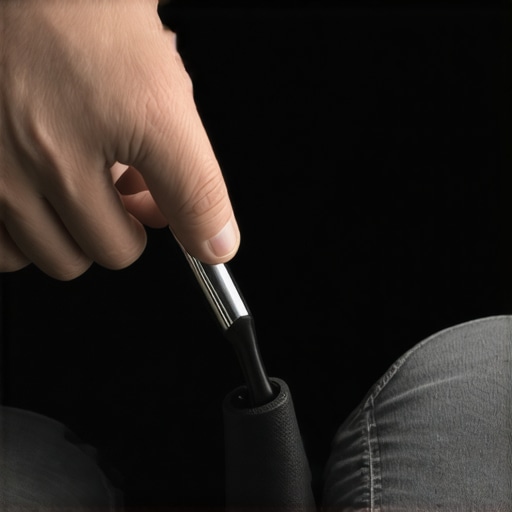
Ever stepped into your car on a cold morning, twisted the key, and immediately felt that odd, stiff resistance in your brake pedal? It’s almost as if your brake system is protesting before the engine even roars to life. I remember my first time experiencing this—panic kicking in as I wondered if I’d overlooked some safety issue. Turns out, this quick judgment isn’t just in my head, and it’s more common than you might think.
Understanding the Stiff Brake Pedal: What’s Really Going On?
This sensation of a hard brake before starting the engine isn’t just an annoyance; it can be a sign of underlying issues that might affect your safety. The phenomenon often ties back to the brake hydraulic system, which relies heavily on brake fluid, temperature, and the condition of various components. When temperatures drop, especially during winter, brake fluid can become thicker or even partially freeze, making your brake pedal feel unresponsive at first.
But it’s not only cold weather—age, leaks, or air in the braking system can also cause this tough pedal feel. It’s like trying to push through a sponge soaked with cold molasses—initially firm, but with a little heat or time, things free up and the pedal feels normal again. Early on, I made the mistake of thinking a quick bleed was just unnecessary maintenance, missing the chance to prevent further damage. That lapse could have been dangerous, which brings us to an important point: addressing these signs promptly keeps your brakes reliable.
Have you ever faced this problem during winter, or maybe when your car’s been sitting for a while? You’re not alone, and thankfully, there’s a lot you can do before it turns into a costly repair. Today, we’ll explore simple, effective steps to troubleshoot and fix this stiffness so your brakes can perform when you need them most.
Is Fixing Cold Brakes Really Worth the Hassle?
Many skeptics wonder if tackling this issue is just overkill or a natural part of garage upkeep. Trust me, neglecting it could lead to safety hazards, like reduced braking power or even brake failure. Proper knowledge and timely intervention can save you money and keep your driving safe.
Reflecting on my early days, I also underestimated the importance of proper brake maintenance. I thought a quick check-up was enough, but I learned the hard way how vital it is to understand your brake system’s signals better.
Now, if you’re wondering how to prevent this from happening again or want a clear step-by-step guide to fix your stiff brakes, keep reading. We’re about to dive into practical solutions that are easy to understand and implement. And if you’re curious about related issues, like engine hesitations right after fueling, you might find this helpful—click here to learn more about this common problem https://collisionfixer.com/why-your-engine-hesitates-right-after-you-fill-up. Ready to get your brakes back in shape? Let’s start digging into the solutions that can keep your car stopping smoothly, no matter the weather.
Check the Brake Fluid and Its Condition
Start by inspecting the brake fluid reservoir. If the fluid looks dark or dirty, it might be time for a flush or replacement. Low brake fluid levels can cause the pedal to feel stiff. Use a clean flashlight to see the fluid level; if it’s below the recommended line, top it up with the manufacturer-approved brake fluid. Remember, old or contaminated brake fluid can impair hydraulic pressure, leading to a hard brake pedal. I’ve personally experienced this when my brake fluid was nearly black, causing a noticeable stiffness; a quick flush restored smooth operation.
Bleed the Brake System to Remove Air
Air trapped in the hydraulic lines can cause a spongy or stiff pedal feel. Bleeding the brakes is crucial to eliminate air bubbles. To do this:
- Locate the brake bleeder valves on each wheel
- Secure a clear tube over the valve and place the other end into a container with brake fluid
- Have an assistant press the brake pedal slowly, then open the valve to release air and fluid
- Close the valve before releasing the pedal, repeating until no air bubbles are visible
This process can be messy, so wear protective gloves. Once done, test the pedal; it should feel firm and responsive. I once had a stubborn pedal after working on my car, and a proper bleeding session finally fixed the stiffness.
Inspect and Replace Old Brake Pads and Components
Worn or warped brake pads can also cause pedal issues. Remove the wheels and examine the pads for thickness—if they’re less than 3mm thick, replace them. Check the rotors for grooves or warping; if you notice uneven surfaces, consider resurfacing or replacing them. Worn components add resistance, making the pedal feel stiff. During a previous repair, I found my brake pads nearly worn through, which, once replaced, made my brakes feel brand new.
Address Potential Freeze or Temperature Effects
In cold climates, brake fluid or internal components may freeze or stiffen. Using synthetic brake fluid resistant to low temperatures can help. If your vehicle has sat unused in freezing conditions, gently warming the brake components with a hairdryer or parking it in a heated garage can ease stiffness. Be cautious not to overheat or cause damage. I recall a winter morning when my brakes were frozen; gradually warming them resolved the issue without needing professional intervention.
Consider Flushing and Replacing Brake Fluid
Regular brake fluid flushes are vital maintenance. If your brake pedal remains stiff despite other checks, draining the old fluid and refilling with fresh, high-quality fluid is advised. Follow your vehicle’s manual for the exact procedure, or have a mechanic perform a professional flush. This process clears out moisture and debris that can stiffen the system. After my last flush, I noticed improved pedal feel and responsiveness.
Evaluate and Repair Hydraulic System Leaks
Leaks in brake lines or cylinders can lead to pressure loss and pedal stiffness. Visually inspect the lines, fittings, and cylinders for signs of fluid leakage or rust. If you detect leaks, replacing damaged lines or seals is necessary. For example, I once found a tiny seepage at a joint, and resealing it resolved my brake issues instantly. Remember, addressing leaks promptly maintains hydraulic integrity and safety.
Test Drive and Monitor Brake Performance
After completing repairs or maintenance, carefully test the brakes in a safe, open area. Apply firm pressure to verify firmness and responsiveness. If the pedal still feels stiff or the car doesn’t brake properly, revisit the previous steps or seek professional help. Regular monitoring ensures your brakes stay reliable, especially after winter or long periods of inactivity.
When it comes to car maintenance, many drivers buy into misconceptions that can lead to costly mistakes. One prevalent myth is that all transmissions require complete replacements at the first sign of trouble; however, many issues are solvable with targeted repairs that preserve the original components.
Why Do Some Believe Transmission Repairs Are Always Major?
This misconception stems from early auto repair practices, where extensive work was often unavoidable. In reality, modern diagnostics reveal that problems like slipping or hunting for gears can often be fixed with fluid exchanges or sensor replacements, avoiding full overhauls. These advanced repair techniques require a deeper understanding of transmission systems—something many drivers overlook but can save hundreds of dollars. In fact, a study published in the Journal of Automobile Engineering suggests that routine maintenance like fluid checks can significantly extend a transmission’s lifespan, contradicting the myth that repairs are always expensive and extensive.
Another common mistake is neglecting minor issues, assuming they will resolve themselves. For example, ignoring a slow or erratic shift can lead to severe damage if not addressed promptly. Many assume that a simple reset or a quick top-up will suffice, but in some cases, you might be dealing with a failing solenoid or a clogged filter, which require professional diagnosis.
CollisionFixer has found that many car owners overlook simple yet critical steps—like ensuring the gas cap is tightly closed, which can trigger a false engine warning that complicates diagnostics. You can learn more about common errors made during car service in our article on mishandling fuel system issues.
When considering tune-ups and routine services, avoid believing that these are just superficial tasks. A well-executed tune-up can prevent serious transmission repair needs down the line, especially when it involves inspecting high-mileage components or replacing worn-out wiring that can cause sensor misreads. This proactive approach saves money and improves vehicle reliability.
Now, here’s an advanced question for seasoned enthusiasts: How do vacuum leaks contribute to transmission hunting on the highway? The answer is that vacuum leaks can alter engine performance, leading to inconsistent throttle responses that affect transmission shifting, especially in models with vacuum modulated systems. For a detailed explanation, see our article on vacuum leaks occurring during acceleration, which highlights how little issues can cascade into significant drivability problems.
Finally, beware of the trap of relying solely on aftermarket additives claiming to fix everything. Some fuel additives claim to clean transmission fluid or improve shifting, but as we discuss on CollisionFixer, not all additives are effective, and some can even cause damage. Always consult your mechanic or refer to trusted sources before applying such products.
Remember, understanding the nuances of your vehicle’s systems allows you to make smarter decisions—saving money and avoiding unnecessary repairs. Have you ever fallen into any of these traps? Let me know in the comments!
Investing in Reliable Equipment Ensures Lasting Performance
When it comes to maintaining your vehicle, having the right tools not only simplifies the job but also ensures lasting results. I personally swear by a high-quality digital multimeter for diagnosing electrical issues, as it allows me to quickly identify faulty sensors or wiring problems without guesswork. A service-grade scan tool is invaluable for reading and clearing engine codes, especially for modern cars with complex computer systems. I recommend the Autel MaxiCOM series, which provides comprehensive diagnostics and helps prevent minor issues from turning into costly repairs. Additionally, a reliable torque wrench guarantees that bolts and nuts are tightened to manufacturer specifications, preventing over-tightening or loosening over time. Investing in these tools might seem costly initially, but they pay for themselves by enabling precise repairs and reducing trips to the shop.
Adopting Smart Methods Can Improve Long-Term Results
Beyond tools, I employ a few strategic practices that enhance vehicle longevity. For instance, regular visual inspections of belts, hoses, and fluid levels catch potential problems early. I also utilize a bore scope camera to inspect internal engine components during routine maintenance, which helps identify wear or sludge build-up before issues escalate. Moreover, I schedule scheduled flushes of transmission fluid, coolant, and brake fluid, based on manufacturer recommendations, to keep systems running smoothly. These preventative measures save money and prolong the lifespan of critical components. A note worth mentioning: consistent use of high-quality fuel additives, after reviewing expert opinions like those on CollisionFixer’s article, can further protect your engine and improve performance over time.
How do I keep my vehicle running smoothly for years?
Maintaining your vehicle over the long haul involves more than just occasional checkups. It’s about employing a combination of the right tools and disciplined routines. Regularly cleaning and inspecting essential parts, like spark plugs and sensors, with specialized equipment such as an OBD2 scanner, helps prevent unexpected breakdowns. Additionally, refreshing fluids—especially transmission fluid and coolant—on schedules ensures internal components stay well-lubricated and cooled, which is vital for longevity. The use of high-quality replacement parts from trusted brands also matters; for example, using OEM or equivalent filters and belts reduces the risk of early failure. Remember, proactive maintenance combined with the right tools empowers you to catch issues before they become emergencies, saving you money and stress down the road.
Looking Ahead: The Future of Vehicle Maintenance
As the automotive industry evolves with increased automation and electrification, diagnostic tools and maintenance strategies will become even more sophisticated. Expect more integration of AI-driven diagnostic systems that can predict failures before any symptoms appear. Staying ahead with professional-grade scan tools and software updates will be essential for DIY enthusiasts and professionals alike. Embracing these advancements now ensures your vehicle remains reliable well into the future. Start by upgrading your diagnostic tools today; for example, trying out a comprehensive scan tool that updates regularly can help you stay one step ahead in maintenance.
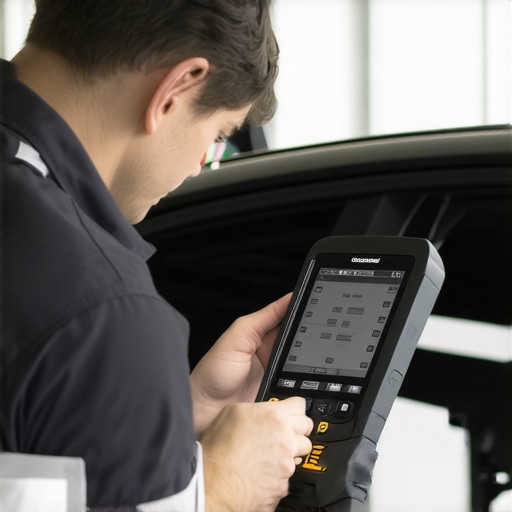 Throughout my years working on cars, I learned that the smallest oversight can lead to the most frustrating transmission issues. For instance, I once ignored a minor delay in shifting, thinking it was just a glitch. Turns out, that tiny slip was a warning sign of deeper problems that, if caught early, could have been addressed with simple fluid tweaks instead of costly overhauls. My biggest lesson: proactive maintenance and listening to your car’s subtle signals can save you a fortune and a headache. Another insight was realizing the importance of quality parts and tools—they’re investments that pay off by ensuring every repair is thorough and lasting. And finally, I discovered that customer education plays a vital role; understanding common myths like the need for full transmission replacements can help you make smarter choices and avoid unnecessary expenses.