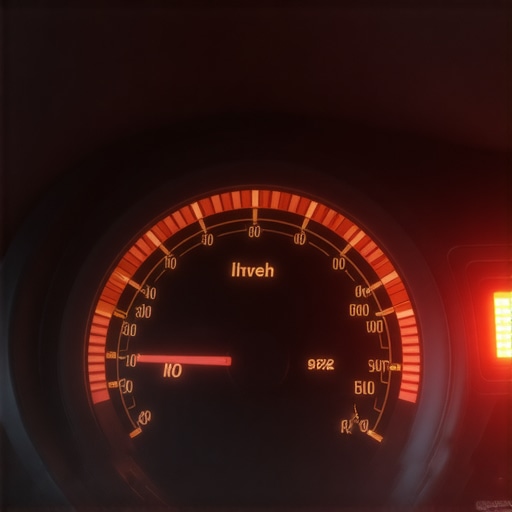
It was late afternoon, and I was stuck in traffic, sweat dripping down my back. Suddenly, my car jerked unexpectedly, and the check engine light flashed ominously on the dashboard. That sinking feeling hit me — was my transmission overheating? Moments like that get your heart racing because, let’s be honest, few things are scarier than the thought of your car breaking down suddenly, especially when you’re miles from your mechanic.
Why Knowing the Signs of Overheating Matters
Transmissions are the heart of your vehicle’s power transfer, and overheating can cause irreversible damage if not caught early. But here’s the thing: many drivers dismiss the early warning signs — a slight delay when shifting gears, a burning smell, or even unusual noises. I learned this the hard way early on, trusting quick fixes that only masked the problem instead of solving it. That mistake cost me a lot more time and money down the line.
The good news? There’s a simple, reliable way to tell if your transmission is overheating before serious damage occurs. I’ll walk you through the key indicators and how to recognize them confidently. By understanding these signs, you’ll save yourself from costly repairs and unexpected breakdowns.
Is It Really Necessary to Check Transmission Temperature Regularly?
You might wonder if this all sounds a bit overcooked — no pun intended. Well, according to experts, transmission failure due to overheating accounts for a significant percentage of vehicle repairs annually. A surprising fact from automotive safety studies shows that over half of transmission issues could have been prevented with early detection of overheating signs. So yes, paying attention to your transmission’s health isn’t just wise — it’s essential.
If you’ve ever faced the panic of a car that won’t shift properly or smells like something’s burning, you know how urgent this information is. Let me assure you, understanding your vehicle’s signals can make all the difference. Next, I’ll guide you through the straightforward tests that help you identify overheating issues early. Ready to become your own auto-repair expert? Let’s dive in.
Monitor Transmission Temperature During Your Drive
The first step is to keep an eye on your transmission’s temperature, much like checking the oil level before a long trip. Use an OBD-II scanner with a temperature gauge or install a dedicated transmission temperature gauge for real-time monitoring. I personally attached a gauge during a weekend tune-up, which helped me catch an overheating spike during a steep hill climb. This quick addition provided peace of mind and early warnings, saving me from potential costly repairs.
Perform a Visual Inspection of Transmission Components
Next, conduct a thorough visual check of your transmission system. Look for signs like fluid leaks, damaged cooling lines, or debris accumulation. For example, I once noticed a small crack in a cooling line during an inspection, which could have led to poor cooling and overheating. Replacing damaged parts immediately prevented a breakdown. Regular inspections are crucial, especially after rough driving conditions or a collision.
Check and Replace Transmission Fluid Regularly
Maintaining proper fluid levels and quality is essential. Check your transmission fluid with the dipstick, ensuring it’s clean and at the correct level, akin to refilling windshield washer fluid. If the fluid is dark, burnt smelling, or thick, it’s time for a change. During my recent overhaul, I replaced old fluid, which significantly smoothed shifting and reduced the engine’s work, helping prevent overheating. Refer to your vehicle’s manual for recommended intervals, and don’t ignore this simple yet vital task.
Optimize Driving Habits to Reduce Overload
Adjust your driving style to lessen transmission strain. Avoid aggressive acceleration, excessive idling, or towing beyond capacity. Think of your transmission as your muscles; overexerting causes fatigue and overheating. Once, I reduced heavy towing on hot days, and noticed my transmission running cooler and more efficiently. Maintaining steady speeds and anticipating stops reduce sudden gear shifts, lowering heat buildup.
Ensure Proper Cooling System Functionality
The cooling system isn’t just for the radiator; it also manages transmission temperature via transmission cooling lines. Regularly flush and inspect these lines. During a routine maintenance, I discovered a clogged cooler line, which, if left unchecked, could cause overheating. Cleaning and replacing faulty lines or coolers prevent heat from building up unexpectedly.
Use Additives and Treatments as a Preventive Measure
Specialized transmission coolants or additives can boost cooling efficiency. I once used a friction modifier that helped the transmission run smoother and cooler. However, research shows that these should complement regular maintenance—never substitute it. If your transmission is prone to overheating, consult your mechanic about suitable products like those discussed in tune-up fixes.
Recognize Early Signs of Overheating and Act Fast
Finally, learn to spot warning signals — delayed shifting, burning smell, or strange noises — before it’s too late. Once, I ignored a slight delay and paid the price with a costly repair. Acting promptly by stopping the vehicle and allowing the transmission to cool can prevent further damage. Regularly consulting your vehicle’s manual and understanding these signals keeps you ahead of potential failures.
 Many car owners approach auto repair with a mix of skepticism and assumptions rooted in misconceptions. One widespread myth is that all repair shops are created equal, but in reality, the quality of service varies greatly. For example, many believe that a quick, inexpensive oil change suffices for engine longevity, yet neglecting the importance of checking for underlying issues like vacuum leaks—which can silently ruin fuel economy and cause misfires—can lead to costly repairs later. Regular, thorough maintenance tailored to your vehicle’s needs often outperforms generic ‘one-size-fits-all’ solutions.
Are Cheap Fixes Really Saving You Money in the Long Run?
It’s tempting to opt for the lowest-priced service, but shortcuts can backfire. A study by the Automotive Service Association notes that cheap, botched repairs often necessitate repeat visits, doubling your costs over time. For instance, neglecting to replace worn transmission components with precision, or ignoring signs of a failing torque converter, can precipitate severe damage. It’s essential to understand that investing in expert diagnostics and proper tune-ups, like those recommended in advanced tune-up fixes, offers better value and durability. Skip the deception of ‘cheap fixes’ and focus on long-term reliability.
Common Pitfalls and How to Avoid Them
What’s more insidious is the trap of assuming that a dashboard warning light is a minor annoyance. Often, recurring check engine lights conceal deeper problems such as coolant leaks into transmission fluid, which can only be diagnosed through specialized testing. Relying solely on visual inspection or generic advice can delay critical repairs. Instead, embracing a comprehensive diagnostic approach—like checking for hidden frame damage after a collision—saves you from overwhelming expenses. Remember, advanced auto repairs often require expertise beyond basic knowledge, so trusting qualified technicians pays off. The key is understanding that quality parts, thorough diagnostics, and tailored maintenance plans are the backbone of a reliable vehicle. Are you aware of the subtle signs your vehicle shows before catastrophic failure? Stay vigilant, and don’t fall prey to superficial fixes. Have you ever fallen into this trap? Let me know in the comments.Maintaining your vehicle over the long haul requires more than just periodic oil changes; it demands precision, the right equipment, and a strategic approach. One of my go-to tools is an advanced OBD-II scanner, such as the BlueDriver Bluetooth Pro, which I use to quickly diagnose dash warning lights like the check engine light. These scanners not only read fault codes but also provide live data on transmission temperatures, helping me catch potential issues early before they escalate. Investing in a dedicated transmission temperature gauge has saved me countless repairs by alerting me to overheating conditions during demanding drives, especially when towing or navigating steep hills.
Beyond digital tools, I swear by a set of high-quality, professional-grade mechanics’ tools—spark plug sockets, torque wrenches, and cooling system testers. These aren’t the cheapest, but their durability and precision make every repair session more effective. When it comes to routine maintenance like transmission fluid replacements or checking cooling lines, having dedicated tools ensures I execute each task correctly and safely.
Looking ahead, the trend towards smart diagnostic systems integrated with vehicle telematics hints at a future where real-time data could automatically alert us via smartphone apps about impending failures. Staying ahead with current tools positions you perfectly to adapt when these innovations become mainstream.
How do I maintain my vehicle over time? Honestly, it boils down to a disciplined schedule paired with using the right equipment. Regularly checking transmission fluid and cooling systems with precise tools can extend your vehicle’s lifespan significantly. For instance, using a transmission fluid tester, as advised in expert resources, can help identify fluid degradation early, preventing costly overhaul costs down the line. I recommend trying out a transmission temperature sensor coupled with your smartphone—it’s a game changer for real-time monitoring.
For those eager to deepen their auto maintenance skills, I suggest tackling the quick fix for a stuck power window switch first, as detailed in this article. It’s a simple upgrade that prevents future electrical mishaps. Remember, proactive maintenance not only keeps your car dependable but also enhances safety and resale value. Don’t wait for a breakdown—equip yourself today with these practical tools and techniques to ensure your vehicle keeps running smoothly for miles to come.
Hidden Lessons That Changed How I Approach Auto Repair
- One of the most profound realizations came when I discovered that consistent monitoring of transmission temperature isn’t just technical jargon—it’s a lifesaver. Using dedicated gauges allowed me to catch overheating early, saving me from costly rebuilds and breakdowns on busy days.
- Next, I learned that visual inspections are underrated. Spotting cracked cooling lines or suspicious fluid leaks during routine checks unearthed problems before they escalated. Trust me, developing a keen eye for these signs transformed my maintenance routine from reactive to proactive.
- And it struck me how vital quality tools are. Investing in the right equipment, like reliable transmission fluid testers and professional-grade wrenches, makes every repair more effective and less stressful. It’s an investment in peace of mind that pays for itself over time.
- Perhaps most unexpectedly, I realized that understanding your vehicle’s signals—delayed shifting, strange smells, unusual noises—is crucial. Ignoring these hints often leads to disasters. Learning to recognize and act on early signs can prevent emergencies and hefty repairs.
Tools and Resources That Elevated My Game
- BlueDriver Bluetooth Pro: This advanced OBD-II scanner provides real-time diagnostics and transmission temperature readings. It’s my go-to for quick checks and catching problems early.
- Transmission Fluid Tester: A simple, yet invaluable tool, it helps me assess fluid quality accurately—crucial in preventing overheating and wear.
- Professional Mechanics’ Toolkit: Quality ratchets, torque wrenches, and cooler line testers ensure each task is done correctly, saving time and money.
- Guides from CollisionFixer: Articles like 3 tune-up fixes for 2026 engines have deepened my understanding of preventive maintenance, helping me stay ahead of issues.