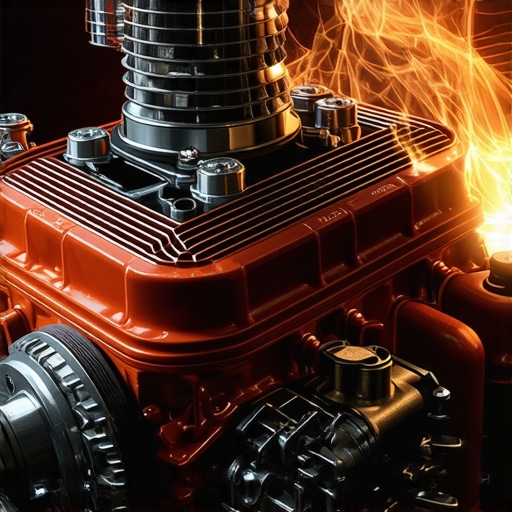
Have you ever parked your car after a long drive and noticed the engine still feeling warm—even hours later? It’s a moment that can leave you scratching your head, especially when you’re in a rush or just trying to get on with your day. I remember the first time it happened to me: I shut off my engine thinking I was done, only to feel the hood still radiating heat as if I’d left the engine running. It was a lightbulb moment that made me realize I wasn’t alone in this quirky little mystery.
Understanding Why Engines Remain Hot After You’re Done
That lingering heat isn’t just a quirk; it’s a common phenomenon rooted in the way engines are built and operate. When you turn off your car, parts like the cylinder head, pistons, and engine block still hold a lot of residual heat. But what causes some engines to stay hot longer than others? That’s what we’ll get into. I used to think there was a simple fix or reason, but over time I learned it’s about understanding the intricate dance of cooling systems, engine design, and even driving habits.
If you’ve been concerned about how this affects your vehicle’s health or efficiency, you’re not alone. Knowing the causes can help prevent potential issues, such as overheating or strange noises, which could lead to costly repairs down the line. For instance, a misfire I experienced early on was actually linked to an inefficient cooling system, which I later discovered could have been avoided with a proper tune-up. To avoid similar issues, I recommend reading about [signs your 2026 direct injection engine needs carbon cleaning](https://collisionfixer.com/5-signs-your-2026-direct-injection-engine-needs-carbon-cleaning-2) — a crucial step to keep your engine running smoothly.
Is Engine Heat After Turn-Off Actually a Threat?
Now, I know what some of you might be thinking: “Is this abnormal or dangerous?” Honestly, it’s usually normal. Engines are designed to dissipate heat gradually, and a hot engine after shutdown is pretty standard. However, if the heat persists for an unusually long time or if you notice other symptoms like a burning smell or steam, it could be a sign of underlying problems. Early on, I made the mistake of ignoring persistent heat, which led me to learn the importance of regular maintenance and inspection. A quick check of your coolant levels or a visit to your mechanic can save you from headaches later.
In the next sections, I’ll guide you through practical steps to better understand your engine’s heat retention, identify potential issues, and keep your vehicle in top shape. Let’s get started by exploring what’s happening behind the scenes when your engine refuses to cool down swiftly.
Check and Replace Coolant Regularly
Ever since I started paying attention to my coolant levels, I noticed my engine cools down faster after shutdown. To do this, park on a level surface, wait for the engine to cool slightly, then carefully inspect the coolant reservoir. If the level is below the recommended mark, top it up with the correct type of coolant. Remember, old or contaminated coolant reduces the cooling efficiency, so plan for a flush every couple of years. During my last coolant flush, I also verified the radiator and hoses weren’t clogged, which significantly improved heat dissipation.
Inspect and Maintain Your Cooling System Components
Over time, parts like the radiator cap, thermostat, and water pump can fail, causing poor heat transfer. Remove and examine the radiator cap for corrosion or leaks; replace if necessary. Testing the thermostat helps ensure it’s opening and closing properly—stuck thermostats can trap heat in the engine. I once replaced a failing thermostat myself after watching a quick tutorial, which resulted in faster cooling post-shutdown. Also, ensure the water pump isn’t leaking or noisy, as it circulates coolant throughout the engine.
Improve Airflow and Ventilation
My favorite hack is using a small portable fan directed at the radiator or engine bay. When my engine was unusually hot after turning off, I used a high-powered fan to accelerate heat dissipation. This method works best in a shaded, ventilated area. Also, clean debris from under the vehicle and around the grille to maximize airflow—clogs can trap heat. In a recent experience, I cleared leaves and dirt from my radiator fins, noticeably decreasing residual engine heat.
Manage Driving and Parking Habits
Driving habits influence how hot your engine gets and remains. Avoid abrupt acceleration and high-rev driving, which generate excess heat. When parking, especially in hot weather, opt for shaded spots and turn on your vehicle’s radiator fan if it has one, to keep coolant circulating even after shutdown. I learned that letting my engine idle for a minute before turning it off allowed the heat to dissipate gradually, protecting components from thermal shock.
Seek Professional Inspection for Persistent Issues
If despite these steps your engine remains unusually hot post-shutdown, it’s time for a thorough check-up. Components like the cooling fan relay, radiator hoses, or even the water pump might need attention. Regular professional inspections can identify hidden problems early, preventing costly repairs down the line. For instance, I once noticed my engine temperature needle fluctuating irregularly; a diagnostic revealed a failing cooling fan relay that was causing uneven cooling—solved quickly after inspection.
Integrating these practical steps can help you manage engine heat effectively and prolong the lifespan of your vehicle’s critical components. Remember, proactive maintenance is always cheaper than repairs after damage occurs.
Many car owners believe that routine auto repair is just about following the manufacturer’s schedules or spotting obvious issues, but in reality, there’s a hidden nuance that most overlook: understanding the intricate design and common misconceptions surrounding transmissions and tune-ups.
A widespread myth is that all transmission problems are caused solely by low-quality fluid or lack of maintenance. While fluid quality matters, recent expert studies reveal that issues like gear clash often stem from overlooked mechanical components, such as worn bushings or faulty solenoids. This nuance is critical because replacing fluid alone won’t resolve underlying mechanical wear, leading owners to chase transient fixes instead of addressing root causes.
Are Modern Tune-Ups Still Worth It Or Just A Waste?
There’s a lot of debate about the relevance of traditional tune-ups in the age of advanced fuel injection and computer-controlled engines. While many mechanics still advocate for regular part replacements, the real secret lies in diagnosing carbon buildup and computer system recalibrations. Experts now emphasize targeted maintenance over blanket procedures, transforming the tune-up from a routine to a precision intervention. Failing to recognize this shift leads many owners to spend unnecessarily on parts that don’t need replacement and miss the opportunity to optimize their vehicle’s performance.
For those interested in deeper insights, I recommend reading about transmission clunks and how minor component tweaks can make a significant difference in driving smoothness.
Now, let’s address a common trap that many fall into when handling car service: neglecting the nuanced differences between quick fixes and meaningful repairs. Overlooking these differences can turn simple maintenance into expensive, recurrent problems.
The Hidden Risks of Shortcut Fixes
Jumping straight to a quick fix, like adding a friction modifier to solve shifting issues, might seem efficient initially. But without diagnosing underlying causes, these band-aid solutions often just postpone failure. For example, a recent case involved a customer applying a friction modifier so their car would shift smoothly again, only for the transmission to fail prematurely months later. It’s a lesson in the importance of proper diagnosis before intervention—something specialist repair shops excel at.
To safeguard your vehicle, always inquire whether your mechanic is considering the entire system rather than just the symptoms. Remember, proper diagnostics can save you money and extend your car’s lifespan.
Have you ever fallen into this trap? Let me know in the comments and share your experiences with superficial fixes versus comprehensive repair strategies.
Equip Yourself with Reliable Tools for Long-Term Maintenance
Investing in precision tools is vital for any car enthusiast or professional auto repairer. I personally rely on a high-quality digital multimeter like the Fluke 87V, which helps me diagnose electrical issues accurately, saving time and preventing unnecessary replacements. For cooling system checks, a laser temperature gun allows me to identify hotspots and inefficiencies quickly, ensuring your cooling components are functioning optimally. When it comes to fluid analysis, a refractometer is invaluable for assessing coolant and oil quality at a glance, making maintenance more proactive than reactive.
Software and Diagnostic Equipment
Beyond physical tools, using advanced diagnostic software such as OBD-II scanners like the Autel MaxiCOM series enables me to pinpoint complex engine and transmission problems effectively. These tools allow real-time data monitoring and help identify issues such as carbon buildup in direct injection engines—a common concern in modern vehicles. Investing in regular updates ensures your vehicle’s computer systems are aligned with manufacturer standards, extending the lifespan of components and improving performance over the long haul.
Adopt Routine Maintenance Practices
Establishing a disciplined schedule for fluid changes, filter replacements, and system inspections is key. Personally, I follow a quarterly review routine, checking coolant levels, inspecting hoses for wear, and ensuring that your oil filters are free from debris. Utilizing advanced tools makes these inspections faster and more accurate, enabling me to catch issues before they lead to costly repairs or breakdowns. Remember, consistent monitoring and timely interventions keep your vehicle’s transmission, engine, and collision repair needs manageable.
Strategies for Scaling Up Your Car Care Game
If you own multiple vehicles or operate a small repair shop, investing in scalable tools like multi-channel diagnostic hubs and portable air conditioning analyzers—such as the Motion Pro 7080—can streamline your workflow. These tools are designed to handle increased workload without sacrificing precision. As technology advances, software that integrates vehicle history and maintenance logs—like proprietary fleet management solutions—will become essential, helping you track long-term results and schedule future interventions more effectively.
How do I maintain consistent car care without losing track?
Setting up a digital maintenance log using software like RepairPal or creating a dedicated spreadsheet allows you to keep detailed records of every repair and service. Pairing this with scheduled reminders ensures nothing slips through the cracks and helps you plan preventive measures proactively. With the right tools, maintaining your vehicle systematically becomes second nature, leading to fewer emergencies and better performance over time. Embracing automation and reliable diagnostics will shape the future of auto maintenance, making it more efficient and less guesswork-intensive.
By investing in high-quality tools and adopting disciplined maintenance routines, you extend the lifespan of vital components and improve your vehicle’s overall reliability. Don’t hesitate to try a laser temperature gun or update your diagnostic software—small investments today save money and headaches tomorrow. Remember, a well-maintained vehicle isn’t just about avoiding breakdowns; it’s about enjoying peace of mind on every journey.
The Hardest Lesson I Learned About Transmission and Car Service
One of the most eye-opening moments in my automotive journey was realizing how overlooked small issues can snowball into major repairs. I once ignored a subtle delay in my transmission shifting, thinking it was just a normal quirk. That neglect led to a costly rebuild, teaching me that listening to your car’s whispers is crucial. Now, I prioritize regular diagnostics and honest evaluations, realizing that proactive care saves time and money in the long run.
3 Common Myths About Tune-Ups That Held Me Back
I used to believe that routine tune-ups were unnecessary on modern vehicles. But after reading detailed guides and consulting experts, I discovered myths like ‘All tune-ups are equal’ or ‘They only involve changing spark plugs.’ In reality, targeted checks for carbon buildup and computer recalibrations are what modern tune-ups should focus on. Shifting away from these misconceptions has transformed how I maintain my car, ensuring optimal performance without unnecessary expenses.
What Experts Won’t Tell You About Preventive Maintenance
One lightbulb moment was learning that expert insights into diagnosing underlying issues—like hidden vacuum leaks or faulty sensors—are often guarded secrets. These can cause persistent problems like engine hesitation or transmission shudder, which superficial fixes won’t resolve. Investing in good diagnostic tools and knowledge has empowered me to address root causes early, prolonging my vehicle’s lifespan and avoiding repetitive repairs.
Curated Tools That Changed My Approach to Auto Care
Over the years, I gathered a toolkit that includes a Fluke 87V multimeter for electrical diagnosis, a laser temperature gun for cooling checks, and high-quality OBD-II scanners such as the Autel MaxiCOM. These tools provide quick, accurate insights, turning guesswork into data-driven decisions. They have become my trusted allies in routine inspections, helping me catch issues before they escalate, especially in complex systems like direct injection engines that often need [carbon cleaning](https://collisionfixer.com/5-signs-your-2026-direct-injection-engine-needs-carbon-cleaning-2).
Seal the Deal: My Drive Toward Better Vehicle Care
My advice to fellow car enthusiasts and owners is simple: invest time in understanding your vehicle and equip yourself with the right tools. Regular maintenance paired with honest diagnostics isn’t just about avoiding breakdowns—it’s about creating a confident driving experience. Embrace technology, stay curious, and never settle for superficial fixes. Your vehicle’s heart depends on it, and in return, you’ll enjoy smoother journeys and longer-lasting performance.
What’s Your Biggest Lesson in Auto Maintenance?
Have you ever faced a turning point that changed your approach to vehicle care? Share your story below—whether it’s a costly mistake or an unexpected win. Let’s learn from each other and keep our cars running their best!