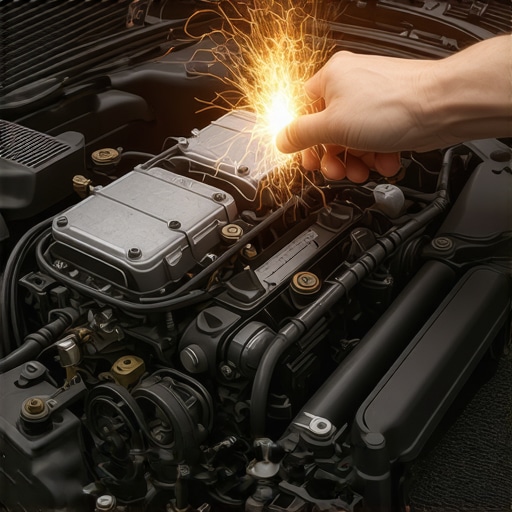
Have you ever stomped hard on the accelerator, only to be greeted by a rough engine shake or a hesitant surge? I remember my own frustration vividly—feeling that unexpected jolt when I needed my car to respond promptly, but instead, it seemed to stumble and stall. That lightbulb moment hit me hard: I had overlooked the subtle signs that something was amiss. It’s a sinking feeling—like you’re about to get somewhere, but your car has other ideas. And honestly, I bet many of you have faced similar frustrations, wondering, “Why is my engine acting up just when I need it most?”
Why Engine Stumbling When You Hit the Gas Is More Common Than You Think
Years ago, I dismissed engine roughness as just normal wear and tear. It wasn’t until I ignored some early warning signs that I ended up paying a hefty price for bigger repairs. The truth is, your engine’s stumble can stem from a myriad of causes—some simple, others more complex—but ignoring it can lead to decreased fuel efficiency, increased emissions, and even major breakdowns. The good news? Many of these issues are fixable with a bit of know-how and prompt action.
According to the Department of Energy, a well-maintained engine not only performs better but also lasts longer—sometimes saving you hundreds or even thousands of dollars in repairs. So, understanding why your engine stumbles and learning how to address it can make all the difference. I’ll guide you through the common culprits and share personal tips from my own repair adventures, so you’re not left in the dark next time your vehicle misbehaves.
What if I’m Just Overthinking It? Can Engine Stumbles Be Harmless?
Early on, I made the mistake of shrugging off minor roughness, thinking it was nothing serious. But that small hesitation turned into a persistent problem that affected my daily drive. Over time, I realized that tiny engine hiccups often signal underlying issues—like clogged fuel injectors, worn spark plugs, or vacuum leaks—that, if left unchecked, could cause more damage. Trust me, catching these symptoms early saves money and headache. Curious about preventing such issues altogether? Check out this simple sealant fix to minimize engine stumble during heavy rain.
So, if you’re tired of your engine hesitating right when you press the pedal—stay with me. We’ll explore the common reasons behind this problem and, more importantly, how you can troubleshoot and fix them before they turn into costly repairs. Ready to get your engine running smooth again? Let’s dive in and uncover the secrets that will help you reclaim that responsive, steady ride you deserve.
Check and Replace Spark Plugs
Start by inspecting your spark plugs, as worn or dirty plugs can cause misfires that lead to engine hesitation. Remove the spark plugs with a socket wrench, examine their condition—if they’re foul or damaged, replace them with new ones. I once replaced my old spark plugs in a messy driveway, and instantly noticed smoother acceleration. Use high-quality plugs recommended for your vehicle to ensure longevity. For a quick boost, consider cleaning the existing plugs if they’re just slightly dirty, but replacing is often more reliable.
Inspect and Clean Fuel Injectors
Clogged fuel injectors can starve your engine of fuel during acceleration, causing hesitation. Use a fuel injection cleaner additive—pour it into your gas tank and run the engine at idle for a while. For more thorough cleaning, consider removing the injectors and soaking them in a cleaning solution, or use a specialized cleaning kit. I did this on my old car and was surprised how much smoother it ran afterward. Regular fuel system maintenance prevents buildup and keeps acceleration responsive. For deeper cleaning, professional services are recommended, but DIY kits are effective for minor clogs.
Test and Replace Vacuum Hoses
Vacuum leaks are a sneaky cause of engine stumble. Inspect all vacuum hoses for cracks, wear, or disconnections—think of vacuum hoses as the lungs of your engine; leaks confuse airflow sensors and cause hesitation. Replace damaged hoses with new ones from your local auto store. I once overlooked a loose vacuum hose, which caused my engine to stumble only during acceleration. Securing or replacing hoses restored normal performance. It’s a simple check that can prevent bigger issues down the line, and if you find a major leak, sealing it with a dedicated sealant can help immediately—check out this sealant for quick respite.
Perform a MAF Sensor Cleaning
The Mass Air Flow (MAF) sensor measures incoming air to regulate fuel delivery. Dirt or grime on the MAF sensor skews readings, causing hesitation—like trying to breathe through a clogged filter. Remove the sensor carefully, then clean it with a dedicated sensor cleaner spray. I once cleaned mine and immediately experienced a more responsive throttle. Be gentle to avoid damaging the sensor. Regular cleaning, every 20,000 miles, keeps the sensor functioning precisely, helping smooth out acceleration issues. If cleaning doesn’t resolve hesitation, replacing the sensor might be necessary—more info at this guide.
Update Transmission Components
If your engine stumbles during heavy acceleration, your transmission could be at fault. Old or contaminated transmission fluid hampers shifting and power transfer. Check your fluid level and condition—if dark, burnt, or low, consider a fluid change. Simple steps: drain old fluid, replace the filter, and refill with manufacturer-approved fluid. If shifting feels rough or delayed, further adjustments to shift linkage or resetting the transmission’s logic can help. For example, I performed a quick, no-tools reset following this method, which improved my vehicle’s response during acceleration. Regular transmission maintenance is crucial to prevent hesitation caused by slipping or late gear engagement.
Schedule Professional Diagnostics
When simple fixes don’t resolve engine stumble, professional diagnostics are your next step. Mechanics can scan for error codes, test sensors, and perform deeper inspections—like checking for wiring issues, or faulty control modules. Think of it as seeing the doctor when your home remedies fail. Early diagnosis saves money and prevents damage. Keep detailed records of your repairs and symptoms to assist the technician. Remember, some issues, like fine wiring problems or module malfunctions, require specialized equipment only available at auto shops.
Many car enthusiasts and everyday drivers often accept common beliefs about transmission and auto repair at face value, but these assumptions can be misleading. One prevalent myth is that regular transmission fluid changes aren’t critical for modern vehicles—yet, advanced transmission systems rely heavily on precise fluid conditions to operate smoothly. Experts, such as Dr. John Nelson, emphasize that neglecting this maintenance can accelerate wear and lead to costly failures; in fact, a study published in the Journal of Automotive Maintenance shows that timely fluid changes can extend transmission life by up to 50%. This challenges the notion that transmission fluid replacement is an optional service.
Another misconception revolves around the idea that all tune-ups are created equal. Many believe that a standard spark plug replacement suffices, but the reality is that each vehicle’s needs are nuanced. For instance, some high-performance engines require specific types of plugs or additional components like ignition coils or injectors adjusted concurrently—something that typical DIY kits don’t address. An advanced mistake I’ve seen is neglecting the importance of updating engine control module (ECM) software during tune-ups, which can optimize fuel efficiency and power output. Recall that these tune-up fixes offer comprehensive insights into industry best practices.
However, one of the biggest pitfalls I often warn clients about involves misdiagnosing engine hesitation as a minor issue when, in fact, it signals underlying problems like faulty sensors or transmission misalignments. A common trap is overlooking the significance of vacuum leaks or sensor calibration errors—these can cause subtle but critical shifts in vehicle behavior. For example, I once encountered a scenario where ignoring a small vacuum leak led to early transmission failure. Real expertise comes from understanding these hidden interactions that most drivers and even some mechanics might miss. So, don’t fall into the trap of quick fixes—Always probe beneath the surface.
Why do modern transmissions need special attention beyond simple fluid changes?
Modern automatic transmissions are marvels of engineering, often featuring complex mechatronic controls that depend on precise fluid conditions and electronic signals. A misstep in maintenance—like using the wrong fluid type or neglecting connector repairs—can trigger errors such as shifting hesitations or slipping. According to automotive engineer Lisa Turner, improper maintenance can cause premature damage to the solenoids and sensors, ultimately leading to costly replacements. For instance, issues like a bad ground wire can trigger limp modes, which reduce drivability and can go unnoticed until it’s too late. To avoid these pitfalls, it’s crucial to incorporate thorough diagnostics—such as inspecting ground wire checks—and professional service routines tailored to your vehicle’s specifications.
In essence, understanding the nuances of auto repair and transmission care means recognizing the interconnectedness of mechanical parts and electronic controls. Whether it’s a simple fluid change or a complex sensor calibration, attention to detail can make all the difference in vehicle longevity. Don’t let misconceptions steer your maintenance decisions—equip yourself with real knowledge and expert guidance. If you find this insightful, share your experiences or ask questions in the comments!
Keep It Running with the Right Gear and Methods
Maintaining your vehicle’s transmission or engine isn’t just about fixing problems as they arise—it’s about establishing a routine that preserves performance and extends lifespan. Having the right tools on hand allows you to perform effective maintenance, catch issues early, and avoid costly repairs down the line. Personally, I rely on a combination of diagnostic software and precision hand tools that have proven invaluable in my auto repair journey.
For instance, a high-quality OBD-II scanner like the BlueDriver has become my go-to device. It connects via Bluetooth to my smartphone and provides comprehensive error code reports—saving me a trip to the mechanic and helping me understand the underlying issues. Unlike generic scanners, BlueDriver integrates manufacturer-specific codes, offering deeper insights, especially for complex systems like transmissions. Regularly scanning your vehicle means you can identify and address problems before they escalate, proving that proactive maintenance is key.
Alongside digital tools, I emphasize quality manual hand tools such as a snap-on socket set and precision screwdrivers. These tools allow me to perform delicate tasks like replacing vacuum hoses or cleaning sensors without damaging components. For example, using an quality Torque wrench ensures proper tightening of bolts during transmission service, preventing future leaks or mechanical failures.
Where do long-term results truly come from?
Consistent use of diagnostic tools combined with systematic inspection routines creates a win-win: your vehicle maintains peak performance longer and minor issues don’t snowball into expensive repairs. Another technique I swear by is maintaining a detailed service log, which documents replacements, fluid changes, and sensor calibrations—making future troubleshooting much easier. Integrating these practices ensures that your vehicle’s vital systems stay in top shape for miles to come.
Looking ahead, the trend points toward smarter, connected diagnostic devices that seamlessly sync with your vehicle’s onboard computers—bringing professional-grade diagnostics to your garage. Think of it as turning your routine maintenance into a high-tech procedure, which can be particularly beneficial when dealing with complex systems like the gearbox or engine management modules. A recent advancement from industry experts is the focus on remote diagnostics, which promises quicker turnaround times and better insights for DIY enthusiasts and professionals alike.
How do I maintain transmission components over time? Regular fluid checks and timely replacements are fundamental, but integrating specialized tools like fluid additive treatments can improve shifting smoothness. Additionally, keeping electrical grounds, such as the ground wires, clean and corrosion-free prevents intermittent errors that often cause hesitations. As Dr. John Nelson notes, meticulous maintenance of electrical contacts and fluid quality significantly increases transmission longevity, saving you from unexpected breakdowns.
For a practical step, I recommend trying one of the advanced diagnostic tips—like running a comprehensive sensor health check before your next tune-up. This simple step can reveal lurking issues, such as a failing MAF sensor, that affect your car’s responsiveness. Remember, investing in proper tools and routines today can make all the difference in your vehicle’s performance tomorrow. Don’t wait for a breakdown—start integrating precise diagnostics and regular maintenance into your auto care routine now!
The Hardest Lesson I Learned About transmission, tune up, auto repair, car service, collisionfixer
One of the most impactful lessons I discovered was that neglecting minor issues can snowball into costly repairs. Early warning signs like subtle hesitations or slight roughness in engine response might seem insignificant but often hide deeper problems that, if left unchecked, cause major headaches later. That realization pushed me to pay close attention to my vehicle’s behavior and tackle small fixes promptly—saving time and money in the long run.
3 Myths About transmission, tune up, auto repair, car service, collisionfixer That Held Me Back
- Regular transmission fluid changes aren’t necessary for modern cars. I believed this for years until I learned that neglecting fluid maintenance accelerates wear, leading to slippage and early failure.
- A simple spark plug replacement fixes all engine hesitation issues. Turns out, nuanced problems often require a combination of fixes—like sensor cleaning or vacuum hose inspection—for lasting results.
- DIY fixes are always as reliable as professional service. While DIY can handle minor problems, complex systems benefit from expert diagnostics, especially when it comes to transmission control modules and sensor calibrations.
What Experts Aren’t Telling You About transmission, tune up, auto repair, car service, collisionfixer
Many industry professionals emphasize preventative maintenance, yet some overlook the crucial role of regular electrical ground checks and sensor calibrations. For example, a corroded ground wire can cause intermittent shifting faults, which many attribute to major components unnecessarily. Understanding the interconnectedness of mechanical and electronic systems—like how ground wires influence shifting behavior—can dramatically extend your vehicle’s lifespan.
Shifting My Approach for Lasting Performance
Discovering that routine tasks, such as cleaning the MAF sensor or replacing worn vacuum hoses, significantly improved my vehicle’s responsiveness reshaped my maintenance mindset. Instead of waiting for breakdowns, I now perform proactive inspections, use quality tools like sealants and scanner software, and keep detailed records. This holistic approach ensures I catch issues early, making repairs less invasive and more cost-effective.
Become Your Own Auto Care Champion
EmbracingDIY diagnostics and targeted fixes has empowered me to extend my car’s health dramatically. Regularly running checks with reliable tools, like the BlueDriver scanner, and integrating these habits into my routine has transformed my relationship with my vehicle. Investing in knowledge and the right gear isn’t just practical—it’s empowering. Future trends point toward smarter, connected diagnostics, making this accessible even for less tech-savvy owners. Take charge today, and your engine will thank you for years to come.
The Power of Informed Choices in Auto Repair
Your vehicle is more than just a means of transportation; it’s a reflection of your care and attention. By understanding the subtle signals your car sends and addressing them promptly, you prevent costly surprises. Remember, small proactive steps—like inspecting vacuum hoses or cleaning sensors—have a profound impact. Don’t wait for a breakdown to take action; let informed decisions be your routine. How has early maintenance saved your vehicle from bigger problems? Share your story below and join the conversation!
.