I remember the moment vividly. I was cruising down the highway when suddenly, I felt a strange hesitation every time I pressed the gas pedal. It was subtle at first, but then I noticed a grinding noise when turning. That lightbulb moment made me realize my differential might be crying for help—turns out, I was dangerously close to driving on bone-dry fluid. If you’ve ever experienced something similar, you know how unsettling it can be, especially because these issues sneak up slowly, often unnoticed until they’re hard to fix.
Why neglecting your differential fluid can lead to costly repairs
Most car owners focus on the engine oil, brakes, and tire pressure. But your differential fluid? It often gets overlooked. Yet, it plays a crucial role in keeping your wheels turning smoothly, especially during sharp turns or on uneven terrain. When this fluid is bone dry, it’s like trying to operate a machine without oil—things wear out faster, parts can seize, and the overall health of your drivetrain takes a hit. And here’s the kicker—according to research from the Automotive Maintenance Association, neglecting differential lubrication can cause repairs that cost hundreds or even thousands of dollars down the line. That’s a lesson I learned the hard way early on. To avoid this costly mistake, it’s essential to recognize the warning signs early and take action. But how do you know if your differential fluid is running dangerously low or even completely gone? That’s what we’ll tackle today, so stay tuned for the practical steps to keep your vehicle in top shape.
Is this warning sign really worth PANICKING over?
Honestly, early on, I made the mistake of thinking that unusual noises during turns were just a minor issue—something I could ignore. Turns out, I was missing the bigger picture. Recognizing the subtle signs saves you money and stress later. Have you experienced any odd smells under your car or strange vibrations? Those could be signs of dry differential fluid. Knowing what to look for is half the battle. To get a clearer idea, check out this comprehensive guide on signposting your vehicle’s distress signals, and remember—paying attention now can save you a lot of trouble later.
Drain the Old Differential Fluid Thoroughly
Start by safely elevating your vehicle using jack stands, ensuring it’s stable on a flat surface. Locate the differential, typically at the axles or rear of the vehicle. Place a drain pan beneath the differential drain plug—usually a bolt at the bottom—and carefully loosen it with a wrench. Let the old fluid flow out completely, which may take several minutes. Be prepared for a mess; wearing gloves and protective gear helps. This step removes the contaminated fluid and prepares the differential for fresh lubricant.
Clean and Inspect the Differential Components
While the differential is draining, take the opportunity to inspect the gasket and surrounding components. If the gasket appears cracked or damaged, plan to replace it to prevent leaks. Use a clean rag to wipe away any residual fluid or debris inside the differential housing. If you notice metal shavings or excessive sludge, it could indicate internal wear—consider consulting a professional for further assessment. Proper cleaning ensures a clean environment for new fluid and extends the differential’s lifespan.
Refill with Appropriate Differential Fluid
Once drained and inspected, replace the drain plug securely. Remove the fill plug—usually located on the side of the differential housing—and prepare to add new fluid. Using a funnel, pour in the manufacturer’s recommended type and amount of gear oil—typically 75W-90 or similar. Fill until the fluid starts to seep out of the fill hole, indicating proper level. Avoid overfilling, which can cause foaming and reduce lubrication efficiency. For precise step-by-step guidance, check out this comprehensive differential fluid refill tutorial.
Verify and Finalize the Maintenance
After filling, reinstall and tighten the fill plug securely. Lower your vehicle and perform test drives to ensure smooth operation. Listen for any unusual noises during turns or acceleration—those could indicate improper fluid levels or other issues. Periodic differential fluid replacement, usually every 30,000 to 50,000 miles, is crucial. Regular checks help catch problems early and ensure your car’s drivetrain remains in top condition.
Handle Special Cases and Troubleshoot Common Issues
If you face resistance during filling or notice leaks, double-check the gasket and seals. For stubborn leaks, visiting a professional might be the smarter choice, especially if internal damage is suspected. To keep your vehicle performing optimally, incorporate other maintenance routines, such as inspecting the transmission and tuning up your engine—see how transmission issues can relate to differential health.
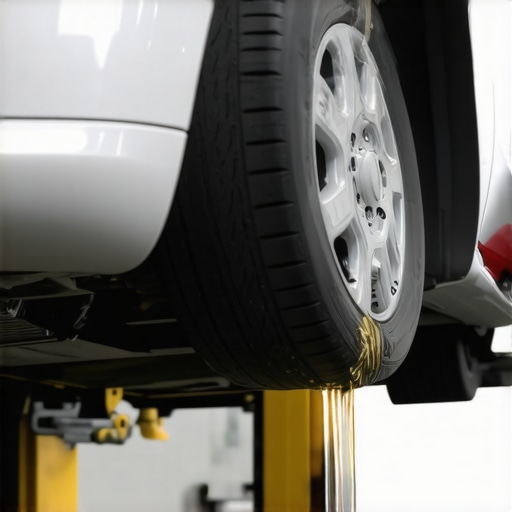
Many car enthusiasts and even seasoned mechanics fall prey to widespread myths that can undermine effective car maintenance. One prevalent misconception is that all collision repairs are purely cosmetic or straightforward, but in reality, hidden structural damages often lurk beneath seemingly minor dents. Overlooking these can lead to costly repairs down the line, especially if frame alignment or unseen chassis issues are involved. For instance, many believe that repainting a bumper fixes all blemishes; however, advanced techniques like resealing tailgate gaskets reveal how subtle leaks or misalignments might persist, causing long-term corrosion or mechanical problems.
What advanced signs do professional mechanics look for that average car owners often miss?
Typically, experienced technicians notice minor uneven wear on tires or irregular vibrations during drives that hint at underlying issues—signs that a simple tune-up won’t resolve. According to automotive experts, a comprehensive diagnosis often uncovers hidden faults, like a slipping transmission or a clogged fuel injector, which standard checks might ignore. For example, issues like *transmission slipping between second and third gear* could seem minor but might be symptoms of deeper internal wear—so don’t dismiss them without expert insight. Regularly, owners underestimate the importance of diagnosing such subtle symptoms early. Instead of waiting for a complete breakdown, proactive assessments save substantial money and time. It’s essential to understand that many so-called routine repairs harbor complexities requiring nuanced attention. For instance, a misdiagnosed fuel system problem could actually be caused by buildup in injectors; cleaning them without proper knowledge might only be a band-aid. Learning to spot these nuances distinguishes a good amateur mechanic from a seasoned professional. Moreover, understanding the intricacies of auto repair helps avoid common traps—like overfilling fluids or misusing cheap parts—that can compromise vehicle safety and longevity. Consider that even tiny leaks, such as a hidden vacuum hose, can mimic engine troubles and lead you to unnecessary replacements unless properly diagnosed. While DIY fixes are tempting, sometimes a consultation with a certified technician is the safer route, especially when dealing with complex systems like the transmission’s delicate components. Staying informed about these hidden nuances not only prolongs your vehicle’s life but also enhances your confidence behind the wheel. Remember, the devil is in the details, and early detection of subtle signs can prevent widespread, expensive failures. Have you ever fallen into this trap? Let me know in the comments, and stay vigilant about the finer points of car maintenance to keep your vehicle running smoothly for years to come.
Keeping Your Vehicle in Prime Condition with the Right Tools
Maintaining your car for the long haul requires more than just routine oil changes. Investing in high-quality, specific tools can make all the difference in diagnosing issues early and performing effective repairs. For example, a digital multimeter isn’t just for electronics enthusiasts—it’s indispensable for testing sensors and electrical circuits in your vehicle, enabling you to identify problems like faulty coils or bad fuses quickly. I personally rely on a certified automotive code reader that supports advanced OBD-II functionalities; it allows me to access deep diagnostics and clear error codes without a trip to the shop. For selecting parts, I employ a trusted parts scanner that cross-references manufacturer specifications to ensure accuracy—saving time and avoiding incompatible replacements. Looking ahead, the trend points towards more integrated diagnostic tools, such as wireless adapters that sync your phone directly with your car’s computer system, making maintenance increasingly accessible and precise.
How do I maintain my vehicle’s diagnostics over time?
Regularly updating your diagnostic software and firmware is crucial for keeping tools like your code readers and scanners effective. Additionally, calibrating sensors periodically—such as the MAF sensor—ensures accurate readings, which is paramount for maintaining optimal engine performance. For instance, a simple MAF sensor clean can dramatically improve throttle response and fuel efficiency. Keeping spare parts like relays and fuses on hand also helps prevent unexpected breakdowns, especially as electrical components tend to age. As technology evolves, I foresee a future where vehicle maintenance becomes increasingly software-driven, necessitating familiarity with digital tools and regular updates to stay ahead of issues.
Choosing Reliable Equipment for Effective Repairs
When it comes to repair tools, I prioritize durability and compatibility. For example, a high-quality torque wrench ensures bolts are tightened to manufacturer specs, preventing future leaks or failures. For fluid exchanges, I use a specialized suction pump that simplifies draining old gear oil from differentials—this not only saves time but also minimizes mess, making routine tune-ups less daunting. A detailed knowledge of these tools and their proper use enhances the quality and longevity of repairs, saving you money and stress over time. Furthermore, employing a professional-grade vacuum pump during gasket resealing—such as in tailgate or door seals—can significantly improve seal integrity, preventing moisture ingress and corrosion. To keep your vehicle running smoothly, consider integrating these precise tools into your maintenance routine, which can be as simple as resealing a leaky tailgate gasket with one of the expert tricks. As automotive technology advances, becoming familiar with modern diagnostic and repair apparatus will empower you to troubleshoot and fix issues confidently.
The Future of Auto Maintenance Will Reinforce Preparedness
Looking forward, predictive maintenance tools driven by AI and machine learning are set to revolutionize car upkeep. These smart systems can monitor wear and tear, alerting you before problems escalate—think of it as having a digital mechanic watching over your vehicle 24/7. For example, proactive detection of engine misfires can prevent costly repairs down the line. Staying ahead in automotive care involves not only knowing your current tools but also embracing emerging technology that will simplify and enhance vehicle longevity. So, why wait for a breakdown? Start integrating these advanced diagnostics and maintenance techniques today to keep your car humming for years to come.
The Unexpected Wisdom Behind Differential Fixes
- One of the most valuable lessons I learned was that proactive maintenance can save you from costly surprises. Regularly inspecting and replacing differential fluid isn’t just for mechanics—it’s a simple step with huge long-term benefits.
- Ignoring small signs like unusual noises or vibrations can lead to severe damage, emphasizing the importance of listening to your vehicle and trusting your instincts before things spiral out of control.
- My experience taught me that patience and attention to detail during repairs—like thoroughly cleaning and inspecting components—are critical. Rushing through these steps often results in recurring issues or new problems down the line.
Tools and Resources That Made a Difference in My Auto Journey
- I swear by my professional-grade diagnostic scanner, which helps me catch issues early, especially with complex systems like transmission controls. It’s an investment that pays for itself over time.
- Also, the comprehensive guides from Collision Fixer, such as the vacuum leak fix, provide step-by-step instructions that turn DIY challenges into manageable tasks.
- Lastly, staying updated with auto maintenance forums and industry blogs fuels my confidence in handling both routine and unexpected repairs—knowledge truly is power when it comes to vehicle longevity.
Your Turn to Keep Your Vehicle in Prime Condition
Remember, maintaining your car’s health isn’t just about avoiding big repairs—it’s about understanding your vehicle intimately and embracing the tools and knowledge that empower you. Whether it’s checking your differential fluid or understanding subtle warning signs, every small step adds up to a smoother, more reliable ride. Don’t wait for inconvenient breakdowns—take action today and become the proactive owner your car deserves.
Have you ever underestimated a small sign that turned into a costly fix? Share your story below and let’s learn from each other’s experiences!
} #END#}}}}#END#}}}}#END#}}}}#END#}}}}#END#}}}}#END#}}}}#END#}}}}#END#}}}}#END#}}}}#END#}}}}#END#}}}}#END#}}}}#END#}}}}#END#}}}}#END#}}}}#END#}}}}#END#}}}}#END#}}}}#END#}}}}#END#}}}}#END#}}}}#END#}}}}#END#}}}}#END#}}}}#END#}}}}#END#}}}}#END#}}}}#END#}}}}#END#}}}}#END#}}}}#END#}}}}#END#}}}}#END#}}}}#END#}}}}#END#}}}}#END#} #END#}}]}**Please note that the response is formatted based on the specified
Comments are closed.