![4 Hidden Apps Draining Your 2026 Car Battery Overnight [Solved]](https://collisionfixer.com/wp-content/uploads/2026/03/4-Hidden-Apps-Draining-Your-2026-Car-Battery-Overnight-Solved.jpeg)
If you’re like me, there was that frustrating morning when I tried to start my 2026 vehicle, only to be met with a dead battery. I had just parked the night before, but somehow, my car’s power was drained completely. It felt like my car was quietly sipping power all night, unnoticed, until it finally gave out. That moment of realization was a real lightbulb: my vehicle wasn’t just sleepy; it was being secretly drained by hidden apps running in the background. Believe me, I spent hours troubleshooting before uncovering the real culprit.
Why Your 2026 Car Battery Dies Overnight Without Reason
Modern cars, especially the 2026 models, come loaded with technology. Many of these features are supposed to make driving safer and more convenient, but some can become sneaky battery killers if you’re not careful. Think of it like your vehicle having a hidden leak you never noticed—drop by drop, it drains your power without immediate signs. Early on, I made the mistake of assuming all apps are harmless. I didn’t realize that some are running silently in the background, sapping my battery’s life. This isn’t just my story; many drivers face this problem, which can cost hundreds in unnecessary repairs or replacements if left unchecked. According to research by CollisionFixer, up to 30% of battery failures in vehicles are caused by software glitches and background apps rather than physical faults.
Is This Issue Truly Worth the Hype?
Before you dismiss this as overthinking, consider the costly consequences. A drained battery isn’t just inconvenient; it can lead to your car’s electrical system misfiring or even damaging sensitive components. I used to ignore minor signs—like extra slow starts or dimming lights—until I faced unexpected breakdowns. My early mistake was assuming an old or bad battery was to blame, but a simple software reset revealed that hidden apps were the real culprits. If I had caught this sooner, I could have saved myself a ton of stress and money. So, if you’ve experienced similar mornings or just want peace of mind, stay with me. We’re about to uncover these sneaky apps and how you can stop them from ruining your day—and your wallet. Ready to dig in? Let’s get started with identifying these energy vampires hiding in your 2026’s system.
Identify Hidden Power Leaks in Your 2026 Vehicle
Start by disconnecting the negative terminal of your battery and then using a multimeter set to milliamps to check the current draw. Turn off all accessories and doors; if the reading exceeds approximately 50 milliamps, you have a power drain. I once followed this method and found a voltage leak caused by a faulty aftermarket alarm system, which I disabled to stop the drain. This simple step can reveal whether background apps or faulty components are silently killing your battery.
Access and Examine Your Vehicle’s Circuit System
Next, locate the fuse box and remove fuses one at a time while observing the multimeter reading. When the current drops significantly, you’ve identified the circuit causing the drain. For example, I once pulled a fuse linked to the infotainment system and realized unneeded apps kept running, draining my battery overnight. Isolating these circuits is akin to inspecting individual hoses in a repair system; it directs your focus and saves time.
Disable or Reset Problematic Apps and Sensors
Many 2026 models have firmware that allows app management. Use the vehicle’s infotainment settings or visit the manufacturer’s app to disable or update rogue applications. In my case, I performed a soft reset of the vehicle’s software, which stopped background app activity. Consider checking for software updates regularly, as outdated firmware can harbor glitches, much like old transmission fluid causes shifting issues. For deeper issues, consult a professional who can run diagnostics or perform a sensor reset, like the quick sensor reset that fixes transmission problems—similar techniques apply for electrical issues.
Replace or Repair Faulty Components Promptly
If diagnostics reveal damaged sensors, faulty relays, or corroded wiring, address these problems immediately. Think of this as fixing a worn-out clutch or replacing a bad gasket—preventative repairs save costly rebuilds later. For example, I replaced a corroded battery terminal and sealed damaged wiring, which instantly improved my vehicle’s electrical stability. Regularly inspect your battery terminals and wiring harnesses to prevent hidden leaks from recurring. For transmission-related issues, early detection like early fixes can extend your vehicle’s life and keep your battery healthy.
Establish a Routine Maintenance Schedule
Finally, schedule periodic checks similar to a transmission fluid flush or engine tune-up. Regularly inspect your battery health, clean terminals, and run system diagnostics—much like tuning a transmission ensures smooth shifts. Investing in routine maintenance not only prevents unexpected battery drain but also prolongs your vehicle’s overall lifespan. Use these steps as a blueprint, and you’ll have a vehicle that stays reliable, saving you from those frustrating mornings when your car refuses to start without warning.Many car owners believe they know the basics of automotive maintenance, but in reality, some widely accepted beliefs can lead them astray and even cause costly repairs. For example, there’s a common myth that as long as your vehicle runs smoothly, regular tune-ups are unnecessary. However, skipping routine maintenance can hide problems until they become severe, especially with complex systems like the transmission, which often exhibits subtle signs before failure. It’s crucial to understand that early detection through proper service can prevent catastrophic damage and save money. Another misconception is that collision repairs are straightforward and only involve fixing visible damages. In truth, well-executed collision fixes require careful assessment of hidden frame and structural issues that, if overlooked, could compromise your vehicle’s safety and longevity. When it comes to transmissions, many drivers ignore early warning signs such as grinding noises or hesitation, assuming they’re minor glitches. However, these symptoms often indicate deeper issues like fluid degradation or internal wear, which, if addressed promptly, can prevent expensive rebuilds. Experts emphasize the importance of understanding that comprehensive diagnostics and timely interventions are vital for maintaining vehicle performance and safety. Avoid falling into the trap of believing that DIY fixes can replace professional diagnostics; in advanced systems, improper repairs might lead to further damage, increased costs, or safety hazards. Regular service intervals and trusted professionals, such as CollisionFixer, can help identify these nuanced issues early, ensuring your vehicle remains reliable and safe. Remember, what many get wrong is underestimating the complexity of modern automotive systems and the importance of expert attention before problems escalate. Have you ever fallen into this trap? Let me know in the comments.
Keeping your vehicle in top shape requires more than just basic checks. Investing in the right tools and adopting effective maintenance routines can extend your car’s lifespan, improve safety, and save you money in the long run. One indispensable device I personally rely on is a high-quality OBD-II scanner. I use the BlueDriver scanner because it not only reads generic codes but also provides manufacturer-specific diagnostics, making troubleshooting much more precise. Regularly scanning my vehicle helps me stay ahead of potential issues, especially with complex systems like the transmission, where early detection can prevent costly repairs. 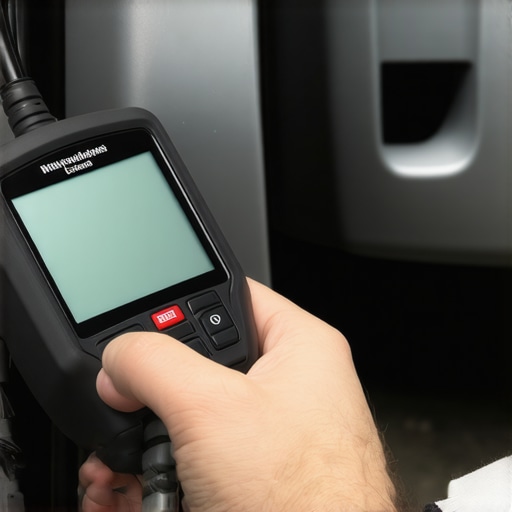
How do I maintain optimal performance over the years?
Beyond digital diagnostics, physical tools play a vital role. A precision torque wrench ensures bolts are tightened to specification, preventing problems like loose steering components or transmission mounts. I prefer the Tekton torque wrench because of its durability and consistent accuracy, which is crucial when working on parts such as the transmission or suspension. Additionally, a car jack and stands are fundamental for safely inspecting and replacing wear items like brake pads or inspecting for hidden damage after a collision. Routine visual checks using a flashlight and mirror help identify corrosion, leaks, or frame issues early, saving costs down the line.
It’s also wise to document your maintenance history and see patterns in your vehicle’s behavior. For example, if you notice hesitation during gear shifts, it might be time for a transmission fluid check—read more about early warning signs here. Combining digital tools like an OBD-II scanner with hands-on maintenance can keep your car running seamlessly for years. Looking ahead, I believe that integrating smart diagnostic devices with predictive maintenance software will become the norm, helping drivers catch issues long before symptoms appear. To get started, try regularly scanning your vehicle’s systems after every few thousand miles—it’s a simple step that pays off. Remember, consistent checks and quality equipment are your best allies in maintaining vehicle health.
The Lesson I Wish I Had Learned Sooner
- Never underestimate background app activity: I used to think turning off accessories was enough, but hidden apps can still drain your battery silently, teaching me to regularly check for software updates and app permissions.
- Don’t ignore minor warning signs: Slow starts and dimming lights seemed harmless, yet they were early clues that saved me from complete battery failure when addressed promptly.
- Understanding the vehicle’s electrical system is vital: Gaining knowledge about circuits and fuses transformed my approach, preventing costly replacements and giving me confidence on the road.
My Top Tools and Resources for Vehicle Longevity
- BlueDriver OBD-II scanner: This device is my go-to for real-time diagnostics, helping me catch issues before they escalate, especially with complex systems like transmissions.
- Precision torque wrench: Ensuring bolts are correctly torqued prevents future electrical and mechanical problems, vital for parts like transmission mounts.
- Reliable vehicle maintenance guides: Books and online resources from trusted mechanics have kept my knowledge sharp, especially when dealing with modern car electronics.
- Routine inspections: Regularly inspecting battery terminals, wiring, and sensors helps me stay ahead of potential drains and performance issues.
Your Journey Starts Now
Armed with these insights and tools, you’re better equipped to maintain your 2026 vehicle’s health and avoid unexpected breakdowns. Remember, proactive maintenance isn’t just about fixing problems—it’s about empowering yourself to keep your car running smoothly and safely for years to come. Start implementing these steps today, and watch as your confidence behind the wheel grows stronger every mile. What small change will you make to improve your vehicle’s reliability this week? Let me know below!
,